
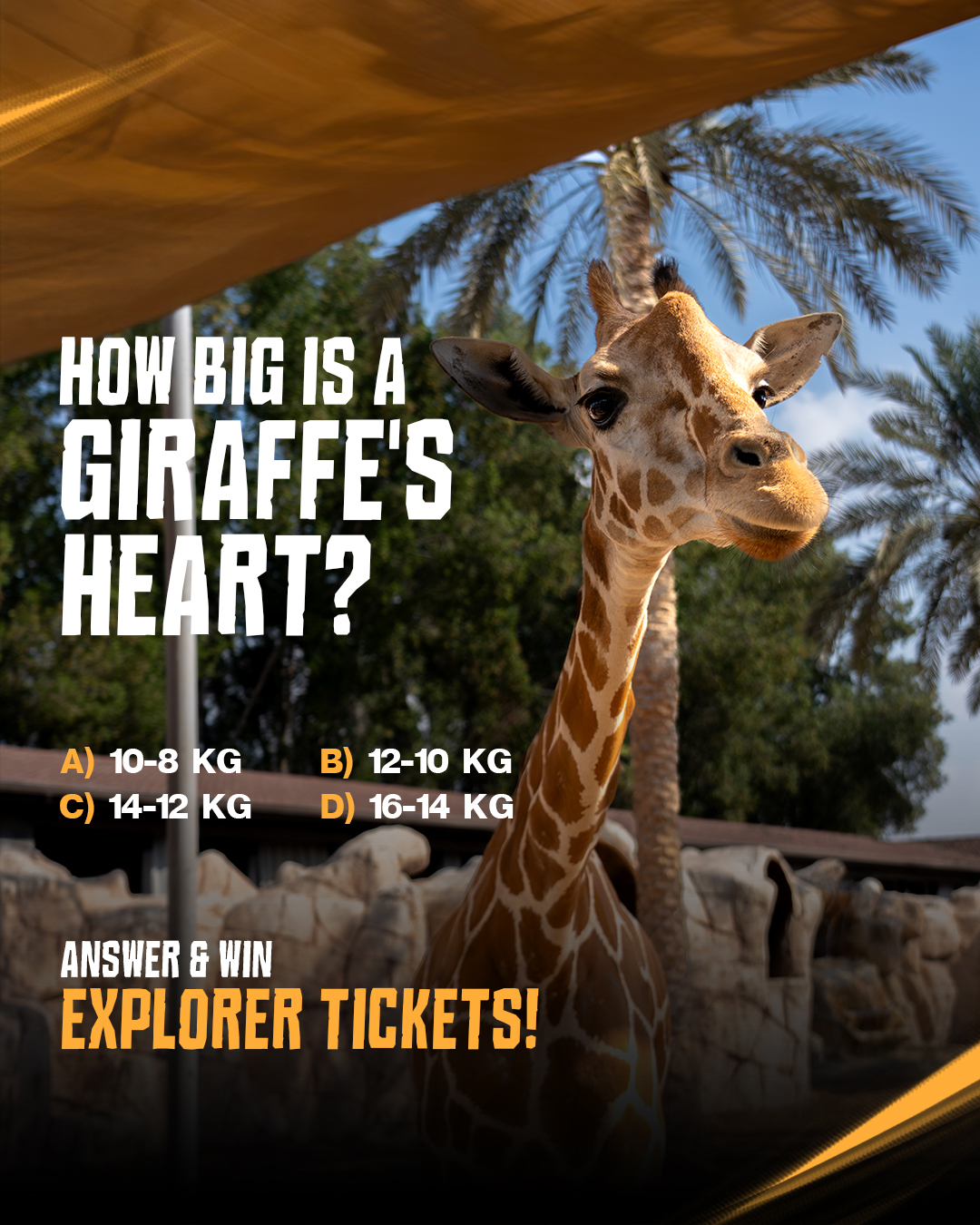
- Overview of Giraffe Anatomy
- Importance of Heart Function in Animals
- Fun Facts about Giraffe Hearts
- Insights on Animal Heart Comparisons
- Engaging the Public: Animal Heart Quiz
The anatomy of a giraffe provides insights into the fascinating adaptations that enable these magnificent creatures to thrive in their natural environments. Giraffes are the tallest land animals, with an average height of 16 to 20 feet. Their long necks and legs require specialized physiological features, including a robust cardiovascular system. At the center of this system is the heart, which plays a crucial role in sustaining their unique lifestyle.
A giraffe’s heart typically weighs between 10 to 12 kilograms (22 to 26 pounds). This impressive weight is necessary for pumping blood over long distances, especially against the force of gravity. Given a giraffe’s height, the heart must create sufficient pressure to deliver oxygenated blood to its brain, located over five meters (16 feet) above its heart. The giraffe’s heart is not just large but also muscularly well-developed, enabling it to generate the pressure needed to circulate blood efficiently.
The heart features a specialized structure tailored to their needs. A giraffe has a four-chambered heart like humans, yet its muscular walls are substantially thicker. This thickness is imperative for combating the gravitational pull experienced by the giraffe when it bends down to drink or eats foliage from low-hanging branches. When the giraffe bends, its neck at a 90-degree angle, valves in its neck prevent excess blood from rushing to the brain. These adaptations reflect the extraordinary evolutionary paths that animals take to survive and flourish in their habitats.
Understanding heart function in animals not only provides insights into giraffe biology but also highlights cardiovascular health across the animal kingdom. The size and strength of an animal’s heart generally correlate with its size and lifestyle. Species that engage in high levels of physical activity often possess more muscular hearts to keep up with their energetic demands. The differences in heart structure and function can reveal much about an animal’s behavior, habitat, and health.
Comparisons among animal hearts show fascinating facts, especially when looking at the relationship between heart size and body weight. For instance, elephants have hearts that can weigh up to 12 kilograms, comparable to the giraffe’s heart despite their significant size difference. In contrast, smaller animals like mice have hearts weighing just a fraction of a gram. The varying heart sizes support the diverse metabolic rates found across species. Giraffes, with their tall stature, require a strong heart, while smaller animals need a heart designed for rapid beats and quick blood circulation. These adaptations showcase the evolutionary innovation found within nature.
As public interest in wildlife grows, educational quizzes such as the “Animal Heart Quiz” serve both to entertain and educate the community. Such initiatives raise awareness about animal biology and conservation issues while engaging participants through interactive learning experiences. This quiz invites participants to learn more about the cardiovascular adaptations of different animals, generating interest in wildlife and its conservation.
Giraffes are not just remarkable for their height but for their remarkable adaptations. Their hearts play a vital role in supporting their unique lifestyle. Raising awareness about animal physiology through quizzes not only helps educate people about these extraordinary creatures but also fosters a greater appreciation for the complexity of life on our planet. Engaging the public through educational initiatives provides an opportunity to inspire future generations to care about wildlife and its conservation.
The significance of giraffe hearts extends beyond mere anatomical curiosity. They symbolize the incredible adaptations that animals make to thrive in their environment. Understanding the heart’s role gives us insights into the broader aspects of animal health, behavioral ecology, and environmental adaptations. When members of the public take part in quizzes and discussions, they create a platform for further exploration into the interconnectedness of species and their ecosystems.
Engaging quizzes and trivia not only enhance public knowledge but also spark curiosity about the natural world. When people learn about the fascinating facts behind different species, they become more invested in conservation efforts. The simple question, “How much does a giraffe’s heart weigh?” leads to deeper explorations into anatomy and environmental adaptations, igniting a passion for wildlife conservation. The awareness gained from interactive activities supports the goal of ensuring a sustainable future for wildlife.
As we progress in our understanding of animal biology, it remains crucial to continue educating the public. Insights about the giraffe’s heart can inspire actions focused on conservation, habitat protection, and animal welfare. With every fact shared and every quiz answered, we foster a culture of curiosity and responsibility towards the natural world, building a community that values and protects wildlife.
Through initiatives like the “Animal Heart Quiz,” we engage individuals of all ages, sparking interest and fostering a spirit of inquiry. This not only enhances knowledge but also encourages advocacy for endangered species and their habitats. As we celebrate the unique physiological traits of animals, we also empower future generations to take action in conservation efforts. Every interaction with wildlife education has the potential to contribute to broader conservation movements.
The giraffe’s impressive heart serves as a reminder of nature’s ingenuity. Understanding the function of different animal hearts adds layers of appreciation for biodiversity and the need to protect it. The health of ecosystems depends on every species, including those with specialized biological adaptations. Supporting conservation through education can make a significant impact on how we relate to wildlife and understand our responsibility toward preserving it for future generations.
Through exploring the characteristics of giraffe hearts, we gain insights that resonate throughout the animal kingdom. Their adaptations shed light on the intricate balance of nature and the importance of preserving it. Engaging quizzes and educational initiatives enable us to enrich our understanding and promote actions that protect wildlife, emphasizing that every heartbeat matters in the tapestry of life.
*****
Source Description
🌟 مسابقة قلب الحيوانات! ❤️
هل تعلم كم يبلغ وزن قلب الزرافة؟
A) 8-10 كجم
B) 10-12 كجم
C) 12-14 كجم
D) 14-16 كجم
💡 تلميح: تحتاج الزرافة لقلب قوي لضخ الدم إلى رأسها الطويل!
شاركوا إجاباتكم في التعليقات وفرصة للفوز بتذكرتين استكشاف لكل فائز! 🐾💚
📅 تابعوا لمعرفة الفائزين قريبًا.
Animal Heart Quiz! 🌟
We’re spreading the love with amazing animal heart facts! ❤️
Here’s a tough-but-fun question for you:
How much does a giraffe’s heart typically weigh?
A) 8-10 kg
B) 10-12 kg
C) 12-14 kg
D) 14-16 kg
💡 Hint: A giraffe needs a strong heart to pump blood all the way up to its head!
Drop your answers in the comments below for a chance to WIN! 🎉 Two lucky winners will each receive 2 Explorer Tickets to Emirates Park Zoo! 🐾💚
📅 Winners will be announced soon—stay tuned!
