
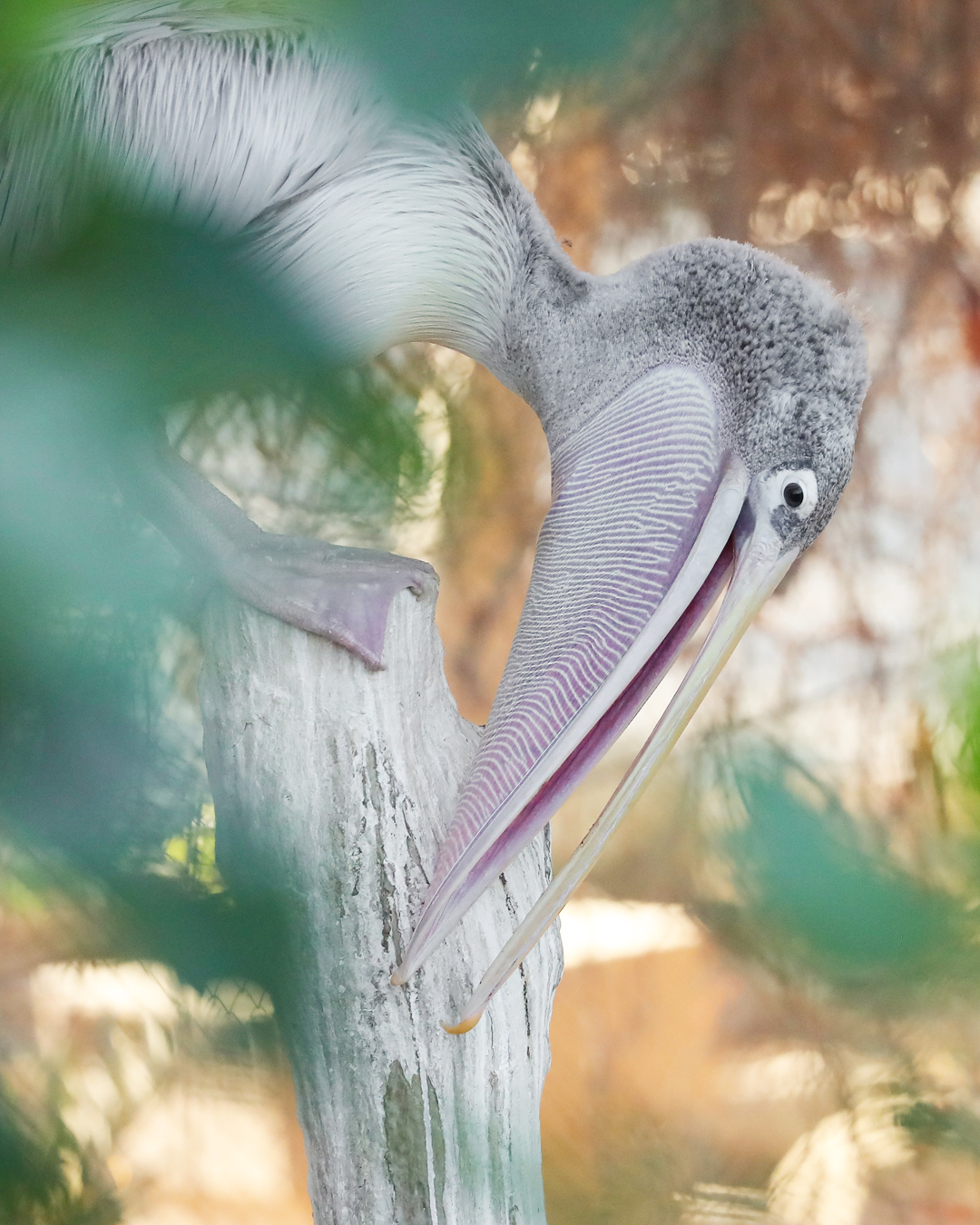
- The importance of color in bird communication and attraction
- Design and management of a bird aviary
- Conservation efforts in avian habitats
- The significance of creating a natural environment for birds
- The educational value of observing birds in a controlled setting
Colors in nature often tell stories. For birds, color plays a crucial role in communication, mating rituals, and even survival. The hues that decorate their feathers are not just for aesthetics; they are vital tools in their daily lives. The rich palette of tones contributes to their mating displays, helping individuals attract partners by showcasing their genetic fitness. For example, vibrant colors, influenced by diet and health, signal youth and fertility. On the other hand, subdued tones often serve as camouflage to protect birds from predators. Understanding the function of these colors provides insight into bird behavior and ecology.
In constructing a bird aviary, several important factors come into play. A well-designed aviary not only prioritizes the needs of various bird species but also emphasizes aesthetic appeal and visitor engagement. Architects and zoo managers must consider space for flight, nesting areas, and food resources. Aviaries often mimic the birds’ natural habitats to promote comfort and breeding behaviors. It includes plants that provide shelter and contribute to the aviary’s ecology. Additionally, successful aviaries include educational elements, such as signage detailing the species on view and their conservation statuses, fostering a connection between visitors and birds.
Conservation is a pressing issue facing many bird species today. Habitat destruction, climate change, and human encroachment are significant threats to avian populations. In response, many aviaries engage in conservation programs, focusing on breeding endangered species and educating the public about important conservation issues. Many bird aviaries participate in global breeding programs, aiming to maintain genetic diversity and prevent extinction. These efforts also include habitat restoration projects to reintroduce species into their natural environments. By highlighting conservation efforts, aviaries play a vital role in fostering a culture of stewardship towards wildlife.
Creating a natural environment within an aviary is essential for the health and well-being of the birds. Naturalistic settings not only mimic the birds’ habitats but also provide essential behavioral enrichment. Access to plants for perching and foraging, along with water features, allows birds to engage in natural behaviors. This environment also positively influences their breeding success; birds in natural habitats often exhibit improved reproductive rates. Well-structured aviaries incorporate various microhabitats, ensuring that species can exhibit their natural behaviors without stress. The importance of replicating rich ecosystems cannot be overstated, as it directly impacts both avian health and visitor experiences.
Observing birds in a controlled setting, such as an aviary, offers immense educational value. Visitors can engage in birdwatching in a safe environment and learn directly about avian biology, migration patterns, and threats to bird populations. Educational programs held within aviaries often include expert talks, bird feeding sessions, and interactive exhibits. These experiences foster deeper connections between people and birds, igniting interest in wildlife conservation. Such educational initiatives spark curiosity and motivate visitors to engage in positive conservation actions in their own communities.
Birds are remarkable creatures, and their colors are far more than simply eye-catching. The vibrant hues communicate critical information regarding mating and survival, revealing much about their biology and ecology. It is essential that bird aviaries are designed with both aesthetics and science in mind, fostering a nurturing environment that educates the public while prioritizing conservation. By highlighting the dynamic nature of bird communication and the importance of habitat preservation, aviaries serve not only as attractions but as important vehicles for spreading knowledge and compassion towards the avian world.
As wildlife habitats continue to dwindle, the role of bird aviaries will become increasingly significant. These spaces are not just sites for entertainment; they are evolving into centers for education and preservation. With a focus on conservation, they are addressing the urgent need to protect bird species at risk of extinction. By fostering an environment where birds can thrive, it is possible to pave the way for future generations to appreciate these fascinating creatures.
In recent years, the concept of creating bird-friendly gardens has gained traction. Individuals are encouraged to plant native flora that attracts local birds. Birdwatching enthusiasts are also playing a role in citizen science initiatives, collecting data on bird populations and behaviors. Similarly, aviaries can play a pivotal role by providing resources, tools, and information for visitors interested in cultivating bird-friendly spaces. Such efforts create a ripple effect, bridging the gap between institutional conservation efforts and community engagement.
The colors that grace the feathers of birds offer a gateway into understanding their lives. They serve as communicative signals, protect against predators, and facilitate mate selection. With an emphasis on designing naturalistic aviaries, conservation practices, and educational outreach, both species and human visitors benefit from these thriving ecosystems. It is crucial to recognize the impact of man-made environments on wildlife and to see aviaries as more than mere displays but rather as conduits for inspiring change in attitudes toward bird conservation.
*****
Source Description
ألوان تهمس بنعومة في ممر الطيور 🕊️
حيث يتوقف الزمن ✨
.
.
Soft hues, golden views at the Birds Aviary🕊️
Where time stands still ✨
.
.
