
- Importance of Wildlife Conservation
- Overview of Emirates Park Zoo’s Role
- The Significance of the Asian Elephant
- Community Engagement in Conservation Efforts
- Strategies for Protecting Endangered Species
Wildlife conservation is critical for maintaining biodiversity and the health of ecosystems. As human activities continue to exert pressure on natural habitats, many species have found themselves on the brink of extinction. Conservation efforts aim to reverse this trend, protecting not only the species themselves but also the ecological balance they help sustain.
Emirates Park Zoo plays a significant role in wildlife conservation. Located in the United Arab Emirates, the zoo acts as both a sanctuary for endangered species and a center for educational outreach. Through various programs, the zoo strives to raise awareness of conservation issues and foster a sense of responsibility among visitors.
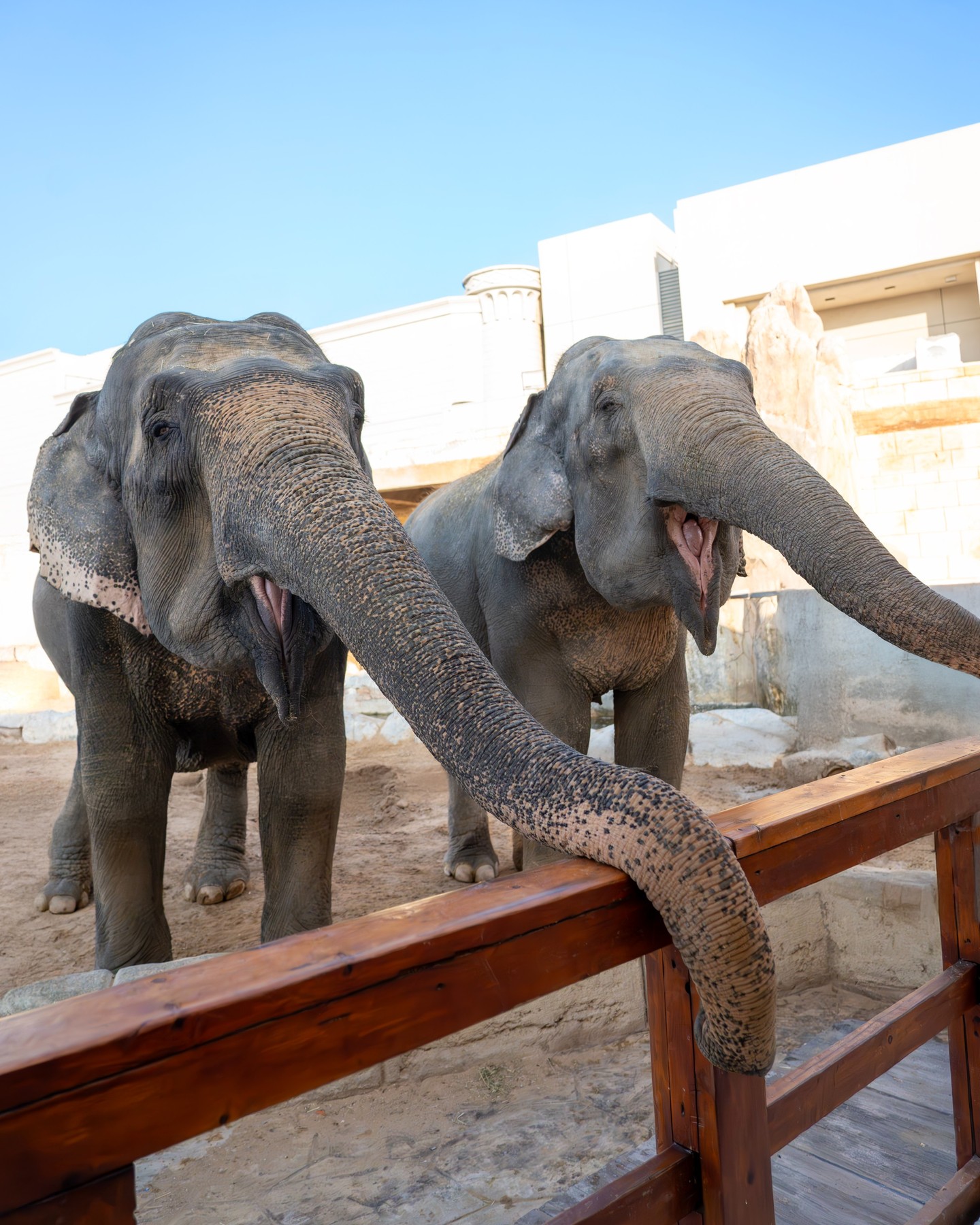
One of the notable species being protected at Emirates Park Zoo is the Asian elephant. These magnificent creatures, characterized by their large ears and long trunks, are classified as endangered primarily due to habitat loss, poaching, and human-elephant conflict. Zoos like Emirates Park are essential in helping to rehabilitate and breed these elephants, contributing to the global effort to ensure their survival.
Community engagement is a crucial component of successful wildlife conservation. Emirates Park Zoo encourages local and global communities to participate in species preservation initiatives. Through workshops, educational programs, and interactive exhibits, the zoo aims to foster a culture of environmental stewardship. By involving the public, conservation efforts can gain more traction and support.
Protecting endangered species requires multifaceted strategies. These may include habitat restoration, legal protection, and breeding programs. For example, in scenarios where breeding programs are introduced, zoos often partner with conservation organizations to implement genetic diversity measures, ensuring the long-term viability of populations.
The urgency of wildlife conservation is underscored by the alarming statistics on species extinction. According to the World Wildlife Fund, over 21,000 species are currently threatened with extinction. This statistic serves as a wake-up call for individuals, governments, and organizations alike. By participating in conservation efforts and spreading awareness, we can all contribute to protecting endangered species like the Asian elephant.
Zoos have historically been seen as places of entertainment; however, modern institutions are evolving to prioritize conservation. Many zoos, including Emirates Park, are actively involved in fieldwork and global conservation projects. By educating visitors about the challenges facing wildlife today, they inspire action and empathy toward these issues.
One effective approach is habitat conservation, where organizations work to preserve and restore natural environments critical to the survival of flora and fauna. This not only helps protect endangered animals but also promotes biodiversity, which provides essential ecosystem services, such as clean air and water. By supporting initiatives that focus on habitat conservation, individuals can play a role in ensuring future generations enjoy diverse wildlife.
Another important strategy is research. Zoos serve as critical research centers where scientists can study animal behavior, health, and genetics. This knowledge is key in developing effective breeding programs and health care protocols that improve the lives of animals both in captivity and in the wild.
Breeding programs often focus on reintroducing species into their natural habitats. Emirates Park Zoo participates in these efforts by collaborating with international conservation organizations. Through careful monitoring and research, these programs aim to restore populations and strengthen genetic diversity.
In addition to breeding programs, community-based initiatives are vital for sustainable conservation. Engaging local communities can lead to more effective conservation strategies. Local people can offer valuable insights into ecological conditions that influence species survival. By working alongside communities, conservationists can better tailor their efforts to local needs, ensuring both wildlife protection and community benefits.
Education plays a fundamental role in these community initiatives. By teaching people about the importance of wildlife and ecosystems, zoos foster a sense of ownership toward conservation. Programs targeting children often leave a lasting impact, creating future advocates for the environment.
Emirates Park Zoo also develops partnerships with schools and universities, integrating conservation education into curricula. This approach amplifies the message of wildlife preservation, encouraging a commitment to protecting the planet.
Through social media campaigns and outreach events, the zoo raises awareness about the plight of endangered species. Digital platforms allow for wide dissemination of information, reaching audiences that may not otherwise engage with wildlife issues. By using these tools, conservation messages can reach a global audience, fostering a collective effort to protect biodiversity.
Another essential aspect of wildlife conservation is policy advocacy. Zoos often work with governmental and non-governmental organizations to influence policies that affect wildlife. Establishing protected areas, enacting anti-poaching laws, and promoting sustainable land use are important steps in preserving habitats and protecting species.
Moreover, fundraising efforts are pivotal in supporting conservation projects. Emirates Park Zoo organizes charity events, wherein the proceeds are directed toward wildlife protection initiatives. Fundraising not only provides financial support but also raises awareness, galvanizing community action around conservation issues.
Technology is another tool increasingly used in wildlife conservation. Innovations such as GPS tracking and camera traps provide valuable data on animal movement and population dynamics. This information is crucial for developing effective management strategies and assessing the success of conservation efforts.
The impact of climate change cannot be overlooked when discussing wildlife conservation. Rising temperatures and changing weather patterns pose many challenges for species. Many habitats are becoming inhospitable, forcing animals to migrate or adapt. Fostering resilience in wildlife means addressing climate change alongside direct conservation efforts.
Emirates Park Zoo has begun to incorporate climate education into its exhibits, helping visitors understand how climate change affects biodiversity. By making these connections, the zoo encourages a more holistic view of conservation that includes both immediate actions and long-term environmental stewardship.
Engagement also extends to international collaborations. Many conservationists recognize that wildlife issues often transcend borders. The complex nature of ecosystems necessitates a cooperative approach involving multiple nations, particularly for migratory species. Emirates Park Zoo participates in international programs aimed at conserving shared species and habitats.
Advocacy extends beyond local communities to global arenas. Support from influential organizations can catalyze change by providing resources, research, and policy recommendations that bolster conservation efforts. The alliance of zoos, governments, and non-governmental organizations creates a powerful force driving wildlife protection initiatives.
Educational outreach even reaches the digital landscape through online workshops and resources. This broadens the reach of conservation education, making it accessible to people from diverse backgrounds. Engaging individuals in this way enables them to take informed actions that benefit wildlife.
Conservation messaging must resonate emotionally. Sharing compelling stories about individual animals, their struggles, and successes often engages the public’s empathy. Emirates Park Zoo captures these narratives through its media platforms, helping foster a connection between people and wildlife.
The need for a multifaceted approach to wildlife conservation underlines its importance. Scientific research, community engagement, policy advocacy, and public education all contribute. A collaborative effort across various sectors amplifies conservation impacts, ensuring the longevity of precious wildlife species.
All these strategies converge to highlight the critical need to protect wildlife. Every action counts, and it is essential to remain vigilant against threats to biodiversity. The responsibility falls on each of us to support wildlife conservation efforts, ensuring that future generations can experience the rich tapestry of life that our planet offers.
By recognizing the importance of wildlife conservation, taking action to preserve endangered species like the Asian elephant, and engaging our communities in these efforts, we can make a lasting change. Protection of wildlife is not a task for a select few. Instead, it requires the commitment of individuals, organizations, and communities worldwide, committed to safeguarding our planet’s irreplaceable biodiversity.
*****
Source Description
🌍 احمِ حياتنا البرية الثمينة! 🌿
حديقة الإمارات للحيوانات موطنٌ للعديد من الأنواع المهددة بالانقراض مثل الفيل الآسيوي. انضموا إلينا لنشر الوعي ودعم جهود الحفاظ على الحياة البرية، لأن كل جهد يُحدث فرقًا! 🐅🐘
🌍Protect Our Precious Wildlife! 🌿
is home to endangered species like the majestic Asian elephant. Join us in raising awareness and supporting conservation efforts to secure their future. Together, we can make a lasting difference! 🐅🐘
