
- Understanding the significance of winter fasting in wildlife
- Exploring the physiological adaptations of animals during winter
- Analyzing the role of hibernation and energy conservation
- Investigating the ecological impacts of seasonal fasting behaviors
- Promoting wildlife conservation through educational engagement
Winter presents a unique set of challenges for wildlife. Animals must adapt to harsh conditions, often necessitating energy conservation and alterations in feeding behavior. One of the main adaptations is fasting, a period of reduced food intake that serves several vital purposes. Understanding why animals fast during winter can illuminate their survival strategies and the broader ecological implications of these behaviors.
The most prevalent reason for fasting in winter is to conserve energy during hibernation. During this season, food is scarce, and animals must rely on stored fat reserves. This biological strategy is particularly evident in species such as bears and ground squirrels. As winter approaches, many mammals prepare by accumulating fat, essential for energy during their dormant periods. This fat serves as a reserve for the essentials: survival and reproduction. Metabolic rates decrease during this time, allowing them to use energy more efficiently.
Physiological adaptations play a critical role in the success of hibernation. Various animals exhibit remarkable changes in their bodily functions, such as lowering heart rates and decreasing metabolic rates, which significantly reduces energy expenditure. For instance, a hibernating ground squirrel may slow its heartbeat from 350 beats per minute to as low as 5 beats per minute. This drastic reduction allows them to survive long periods without food. Many species also have evolved to enter a state of torpor—a temporary hibernation—making it possible to wake occasionally and feed if the conditions allow.
The ecological context of fasting behaviors reveals more than just individual survival. It can influence animal interactions within ecosystems. When certain species fast, they affect the availability of resources for others. For example, predators may have fewer prey available or may need to alter their hunting strategies. Herbivores that experience food scarcity may impact plant populations, contributing to shifts within their habitats. This interconnectedness emphasizes the importance of studying these behaviors to appreciate the complexities of ecosystems.
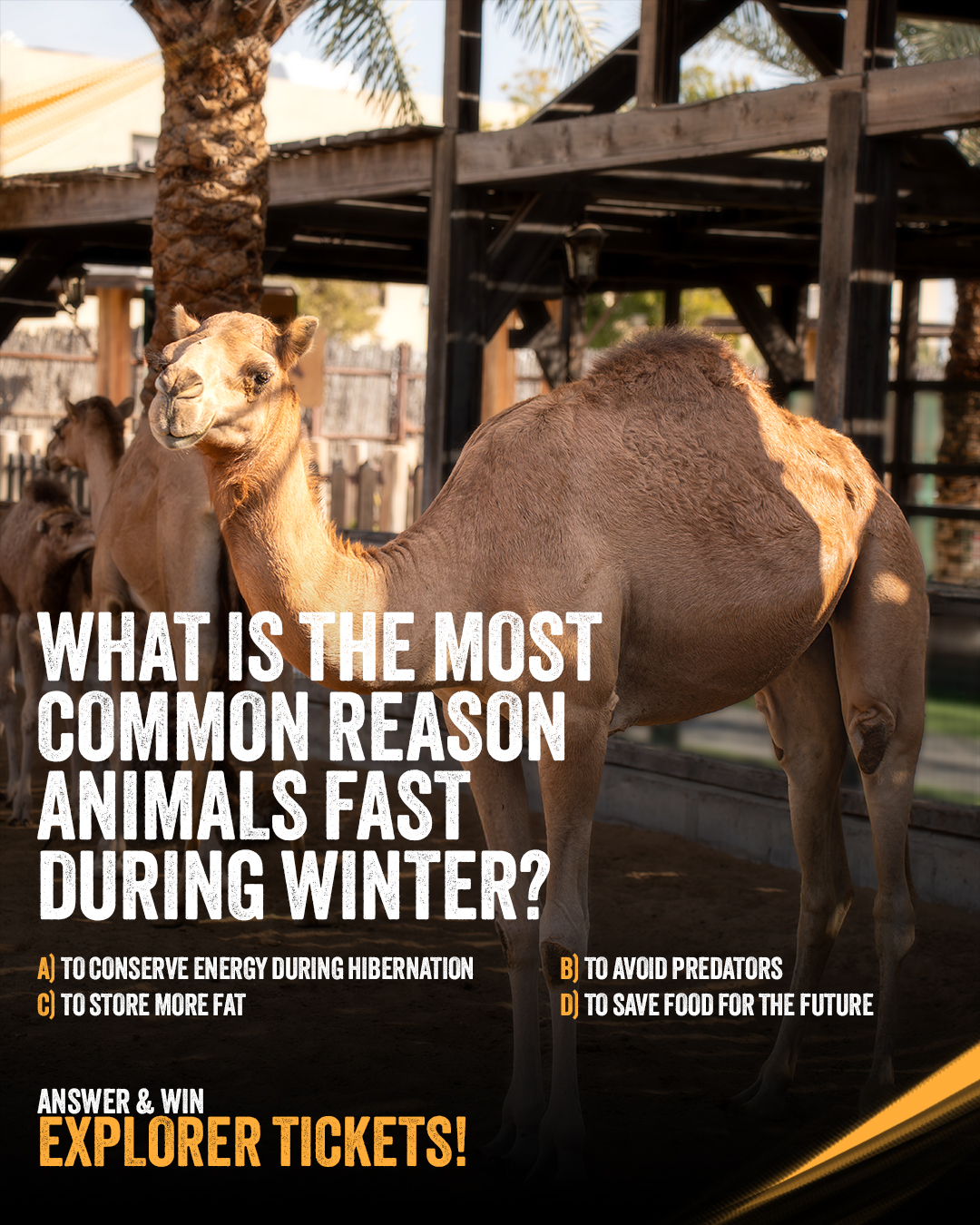
Engagement plays a pivotal role in wildlife conservation. Educational initiatives like “أنضم إلى التحدي واربح تذكرتين للاستكشاف!” serve to raise awareness about the behavioral adaptations of wildlife. The quiz question presented highlights a fundamental aspect of animal survival, inviting participants to reflect on their understanding of nature. The question—“What is the most common reason animals fast during winter?”—can provoke curiosity, leading to deeper exploration of wildlife and their habitats. Such participatory activities can inspire a new generation of conservationists.
Social media platforms further facilitate the engagement of diverse audiences. By encouraging individuals to share their answers online, organizations can cultivate a dialogue around wildlife conservation. This communal approach fosters enthusiasm and can generate increased support for wildlife initiatives.
By educating the public about fasting behaviors and their ecological significance, we can enhance understanding and appreciation of wildlife. Acts of conservation demand informed citizens who recognize the intricate balance within ecosystems. When we learn more about animal survival strategies, we grow more attuned to the challenges facing wildlife today, including habitat loss and climate change.
In focusing on practical conservation action, engaging educational programs serve an important purpose. They provide insights that enable people to understand the importance of biodiversity and wildlife preservation. When communities come together to learn about wildlife behaviors, they can advocate effectively for conservation policies and practices.
Moreover, understanding fasting behaviors can also lead to better management practices for wildlife in captivity. Zoos and wildlife reserves often rely on knowledge gained from studying animals in the wild to enhance enclosure design, feeding practices, and breeding programs. This integration of field knowledge with captive care ensures that animals thrive both in natural and artificial environments.
Effective wildlife management requires a multidisciplinary approach that includes biology, ecology, and even sociology. Understanding the motivations behind fasting behaviors, incorporating public education, and fostering community engagement are key components in promoting successful conservation efforts. This comprehensive understanding equips us with the tools needed to confront challenges facing wildlife in a rapidly changing environment.
The significance of addressing wildlife behaviors extends into the realm of public health as well. Wild animals can carry diseases that may transfer to humans. Understanding how these animals survive environments and adapt their behaviors can contribute to better public health strategies. An informed public that understands the importance of wildlife ecosystems can make safer decisions regarding their interactions with wildlife.
Promoting awareness and understanding will not only benefit wildlife management but can also aid in preserving cultural ties to nature. Many communities have longstanding relationships with local wildlife that are essential to their identities. Recognizing how fasting adapts animal survival strategies can reinvigorate these connections, fostering a sense of stewardship among communities.
Educational content, like the challenge to win explorer tickets, serves as a starting point for exploring deeper questions about nature. It invites audiences to engage with wildlife, promoting active participation in conservation efforts. In turn, the excitement of competition can draw in new supporters who may be unfamiliar with the intricacies of wildlife behavior.
In summary, scrutinizing the reasons behind fasting behaviors in winter reveals a wealth of information pertinent to wildlife survival. These adaptations reflect broader ecological interactions and call for an informed public to support wildlife conservation efforts. Engaging educational initiatives can spark interest and enable communities to connect more deeply with the natural world.
Through understanding animal behaviors such as fasting, we can foster empathy and responsibility towards wildlife. As challenges persist, knowledge will be critical in shaping effective conservation strategies that ensure the survival of diverse species. Collaborative efforts, anchored in education and engagement, will pave the way for a sustainable future, underscoring the importance of each living organism in our ecosystems.
*****
Source Description
أنضم إلى التحدي واربح تذكرتين للاستكشاف!🎉🐾
اختبر معلوماتك عن الحياة البرية مع هذا السؤال:
ما هو السبب الأكثر شيوعًا لصيام الحيوانات في الشتاء؟
A) للحفاظ على الطاقة أثناء السبات
B) لتجنب الحيوانات المفترسة
C) لتخزين المزيد من الدهون
D) للحفاظ على الطعام للمستقبل
🤔 شارك إجابتك في التعليقات لفرصة الربح!
Join the Fun and WIN Two Explorer Tickets! 🎉🐾
Test your wildlife knowledge with this question:
What is the most common reason animals fast during winter?
a) To conserve energy during hibernation
b) To avoid predators
c) To store more fat
d) To save food for the future
🤔 Drop your answer in the comments below for a chance to WIN!
