
- The critical status of Kemp’s ridley sea turtles and their conservation challenges
- The process and significance of cold-stunning in sea turtles
- Rehabilitation efforts at the Port Corpus Christi Center for Wildlife Rescue
- The partnership with Tito’s Handmade Vodka and the importance of fundraising for wildlife care
- The role of community involvement in marine conservation
Kemp’s ridley sea turtles are a vital part of marine ecosystems but face significant threats from habitat loss, pollution, and climate change. As the most critically endangered sea turtle species globally, they require active conservation efforts to survive. With their populations declining drastically, dedicated wildlife organizations have become instrumental in their survival. This article will explore the latest rescue and rehabilitation efforts for these turtles, particularly focusing on a notable event where 18 Kemp’s ridley sea turtles were transported from Cape Cod, Massachusetts, to Corpus Christi, Texas, for essential medical care.
Cold-stunning is a phenomenon affecting various sea turtle species, particularly in colder waters. This condition occurs when turtles are exposed to low water temperatures, leading to a form of hypothermia. Cold-stunned turtles often become lethargic or unresponsive, floating helplessly in the water or washed ashore. In December of last year, 18 Kemp’s ridley turtles became cold-stunned off the coast of Cape Cod, representing a critical rescue mission. These turtles were in urgent need of care, prompting wildlife agencies to act swiftly.
Transporting the turtles to the Port Corpus Christi Center for Wildlife Rescue was a crucial step in their recovery. Due to the influx of sea turtles needing assistance in New England rehabilitation centers, the Port Corpus Christi Center provided immediate care. The facility has developed an expertise in treating cold-stunned turtles, allowing the turtles to receive treatment tailored to their specific ailments. The animal care team was prepared to provide around-the-clock attention, ensuring the turtles received the best possible chance for survival.
Rehabilitation for cold-stunned Kemp’s ridley turtles involves monitoring their health and providing warm water environments. Once the turtles are stabilized, they undergo further assessments. Diagnostic tests, including blood work and physical evaluations, help identify any underlying health issues. The facility’s veterinary staff and rehabilitators work diligently to address issues like pneumonia, dehydration, or injuries that might have occurred during their time stranded in the cold.
The success rates of rehabilitation efforts are critical for Kemp’s ridley sea turtles. After three months of continual care, seven of the 18 turtles were successfully released back into the Gulf of Mexico. Monitoring progress and health recovery is vital at this stage, as released turtles must navigate existing threats in their natural habitat, including fishing nets and marine debris. It is essential that these turtles are able to reintegrate, as each turtle plays an integral part in maintaining the marine ecosystem balance.
While medical and rehabilitation efforts are crucial, fundraising and community support are also necessary to sustain wildlife rescue operations. Tito’s Handmade Vodka’s partnership with the Port Corpus Christi Center highlights how corporate responsibility can positively impact wildlife rehabilitation. The initiative aims to raise funds for ongoing care efforts and expand the capabilities of wildlife centers. The commitment of organizations like Tito’s, which pledges to match donations up to $5,000, amplifies the community’s role in supporting endangered species conservation.
Community involvement plays a vital role in marine conservation. Individuals can advocate for marine life through donations, volunteering for clean-up efforts, and raising awareness about the significance of protecting endangered sea turtles. Each action taken contributes to a collective effort that can lead to meaningful change. By supporting local wildlife centers like the Port Corpus Christi Center, community members can participate in fostering healthier marine environments.
The status of Kemp’s ridley sea turtles illustrates the broader challenges facing marine ecosystems today. With climate change impacting ocean temperatures and habitats, the survival of these turtles underlines the necessity of immediate action. Sea turtles are important indicators of ocean health; their decline often signals larger environmental issues that need addressing.
Efforts to support Kemp’s ridley sea turtles and other marine wildlife represents a critical intersection of science, community engagement, and environmental policy. The dedicated work of animal care teams, coupled with robust community support, can create a promising outlook for critically endangered species. Engaging in wildlife conservation can indeed make a difference, and it is vital that individuals, organizations, and local communities remain active in their support.
As spring arrives, the scenario surrounding Kemp’s ridley sea turtles continues to develop. With additional funding and awareness rising about their plight, more turtles can be saved and rehabilitated. The rehabilitation efforts implemented at the Port Corpus Christi Center reflect a strategic approach to addressing the various challenges that cold-stunned sea turtles face. There is hope that with each turtle that is revived and eventually released, we contribute to the resurgence of their populations.
The path ahead involves education, advocacy, and continued research into the conditions that affect sea turtles and their habitats. Environmental monitoring, coupled with public involvement, can create a sustainable future for these marine creatures. The plight of the Kemp’s ridley sea turtle illustrates the interconnectedness of human activity and wildlife preservation. Ensuring their survival demands foresight, compassion, and a collective commitment to marine conservation.
By becoming informed advocates, individuals can contribute tangibly to the well-being of Kemp’s ridley sea turtles and their ecosystems. The passion of wildlife advocates, alongside supportive communities and corporate partners, can drive meaningful initiatives that help these endangered species flourish once more. Only through cooperative efforts will we safeguard the future of Kemp’s ridley sea turtles and the broader health of ocean environments. Each rescue and recovery story represents a notable step toward thriving marine biodiversity.
*****
Source Description
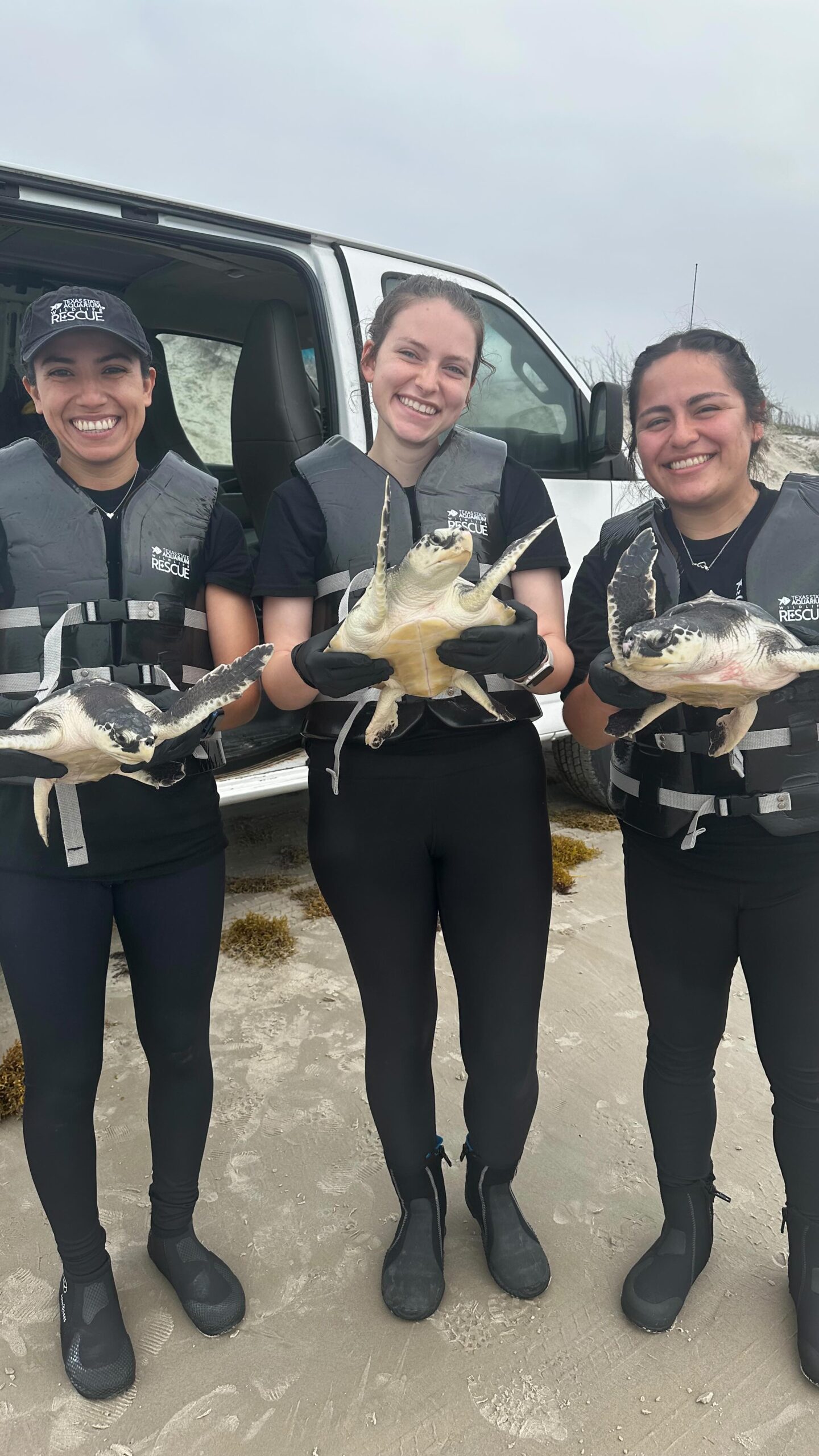
In December of last year, 18 Kemp’s ridley sea turtles were flown from Cape Cod, Massachusetts, to Corpus Christi, Texas, to receive life-saving care after becoming cold-stunned. The Kemp’s ridley—the official state sea turtle of Texas—is also the most critically endangered sea turtle species in the world.
With rehabilitation centers in New England at capacity, these resilient patients were transferred to our Sea Turtle Hospital at the Port Corpus Christi Center for Wildlife Rescue to receive expert treatment for their illnesses and injuries.
After three months of 24/7 care, we’re thrilled to share that 7 of these endangered sea turtles have been successfully released back into their home in the Gulf. The remaining turtles continue to recover under the care of our dedicated animal care team.💙
🐢 Every rescue. Every release. Made possible by wildlife advocates like you.
This April, help us raise funds for the Port Corpus Christi Center for Wildlife Rescue. Thanks to @titosvodka, your donation will be matched up to $5,000, doubling your impact!
🔗 Want to help make a difference? Comment “Link” and we’ll send you the link to the donation page directly!
