
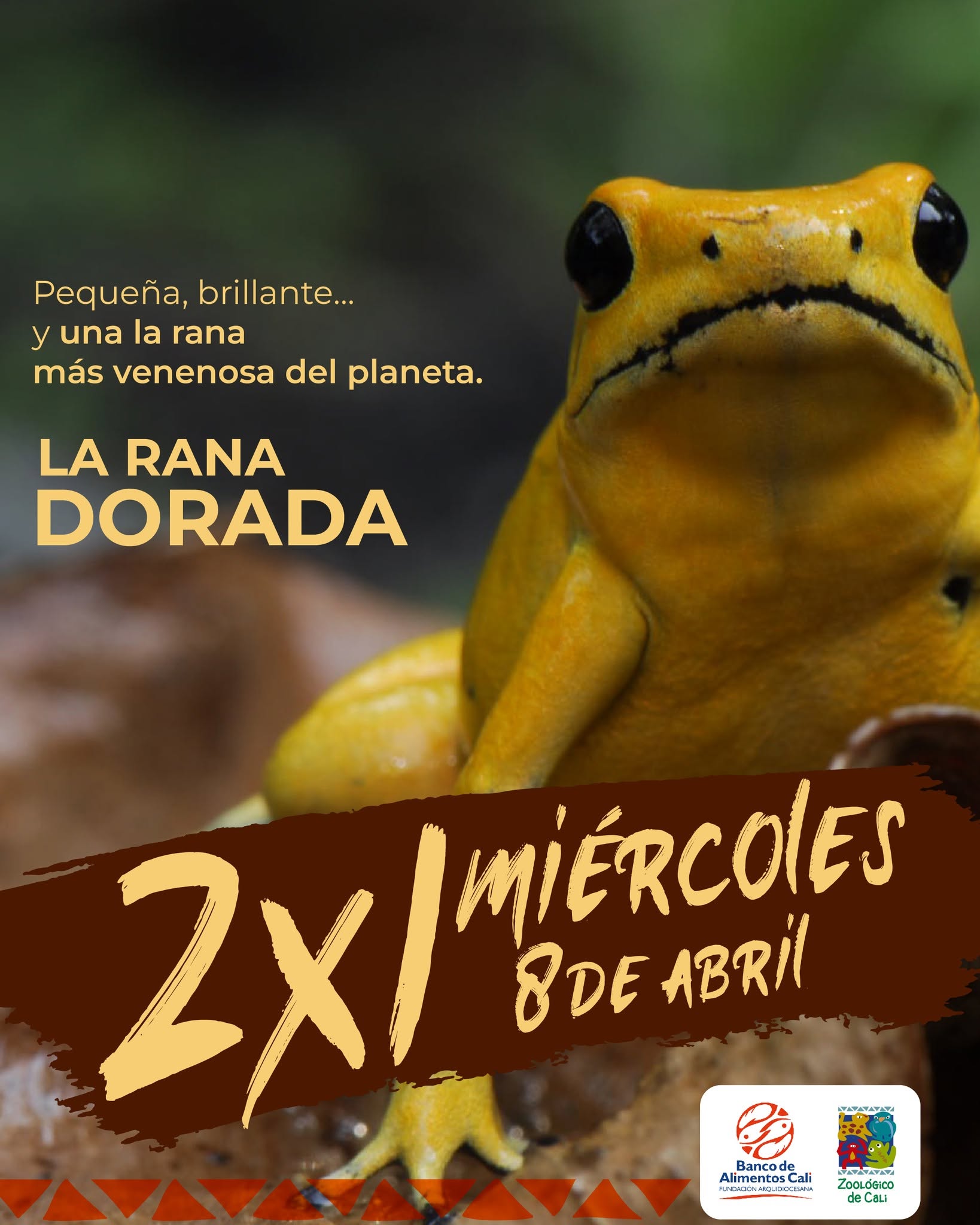
- Discover the 2×1 promotion at the Zoológico de Cali and its partnership with the Banco de Alimentos Cali.
- Explore the significance and specifics of zoo-based community support initiatives.
- Understand the role of visitor participation in conservation and local aid efforts.
- Learn about the types of food donations that can make a difference.
- Examine how zoos can contribute to wildlife education and social responsibility.
The Zoológico de Cali has long been a crucial hub for both wildlife conservation and community engagement. This April 8th, the zoo is offering a 2×1 ticket promotion that is more than just a discount. Through a strategic partnership with the Banco de Alimentos Cali, this initiative not only incentivizes a visit but also provides a tangible opportunity for visitors to support individuals in need.
The promotion transforms a simple zoo visit into a philanthropic activity. It is valid on the ticket of greater value and requires the visitor to bring a donation of non-perishable food items. This dual-purpose initiative fosters a deep connection between recreational activities and social responsibility. Visitors can donate items such as beans, pasta, rice, sugar, salt, coffee, chocolate, canned goods, lentils, eggs, garbanzos, peas, soy, and oats. Each food item contributes to the bank’s mission to assist families in vulnerable situations, thereby reinforcing the vital relationship between the zoo’s operations and community welfare.
Zoo-based community support initiatives like this leverage the zoo’s capacity to draw visitors. By aligning with social causes, zoos can use their influence to address broader societal issues. In the case of the Zoológico de Cali, the collaboration with a food bank emphasizes the importance of creating inclusive opportunities for community development. The donation aspect not only aids local families but also enriches the visitor experience by highlighting the impact of collective efforts in achieving meaningful change.
Visitor involvement extends beyond mere participation. Each visit contributes to both wildlife conservation and societal benefits. This integration of altruism within leisure activities underscores a growing trend in zoological management: to couple education, conservation, and community aid under one umbrella. By engaging directly with visitors, the zoo can advocate for conservation efforts while promoting a culture of giving back.
Donations play a crucial role in such initiatives, forming the link between economic accessibility and direct aid impact. The types of non-perishable food encouraged for donation are essential staples, making the process straightforward for the donor and highly beneficial for recipients. Given its focus on simple, everyday items, the initiative is accessible, encouraging greater participation and thereby amplifying the support provided to the Banco de Alimentos Cali.
Zoos, traditionally viewed primarily in the context of wildlife preservation and education, are expanding their roles to include social responsibility. By creating partnerships that transcend their immediate mission, they enable communities to participate in conservation efforts while simultaneously addressing critical social issues. Such programs enhance the educational value of the zoo by fostering awareness about ecological balance alongside humanitarian efforts.
A visit to the Zoológico de Cali, especially during promotional days like April 8th, embodies a multi-layered experience. Visitors not only learn about diverse species and their habitats but also actively contribute to their community’s well-being. This holistic approach to zoo management redefines traditional leisure into a platform for learning, engagement, and helping those in need.
Establishing these connections between various facets of zoo functions—education, conservation, and community support—creates a dynamic model for modern zoos. The intertwined roles of visitor education and social impact highlight the multiplicity of benefits derived from seemingly simple promotions. Furthermore, they reinforce the role of zoos as pivotal educational institutions that shape both wildlife conservation and societal well-being.
This practical approach to combining leisure with impactful actions sets a precedent for other zoological parks. It illustrates how effective partnerships can be harnessed to serve dual purposes, enriching the visitor experience while significantly contributing to the betterment of local communities. Ultimately, the Zoológico de Cali’s initiative stands as an exemplary model of how conservation efforts can be synchronized with social support systems, ensuring a comprehensive contribution to the community.
*****
Source Description
Este miércoles 8 de abril, con la promoción 2×1, tu ingreso al Zoológico de Cali se convierte en una oportunidad para apoyar a quienes más lo necesitan, gracias a nuestra alianza con el @bancodealimentoscali
🦁 La promoción se hará válida en el boleto de mayor valor y solo necesitas traer una donación de alimentos no perecederos.
Puedes donar: Fríjol, pastas, arroz, azúcar, sal, café, chocolate, enlatados, lentejas, blanquillos, garbanzos, arvejas, soya, avena, entre otros.
Cada donación suma, cada visita cuenta y juntos logramos un impacto real en cientos de familias ✨ Sé parte de esta alianza y apoya a quienes más lo necesitan.
*Aplica solo para compra de boletas en taquillas del Zoo.
