
- Anatomical Differences: Understanding Spiders and Insects
- Evolutionary Adaptations and Survival Strategies
- Ecosystem Roles and Impacts on Biodiversity
- Conservation Challenges and Initiatives
- Engaging with Nature: Educational Activities and Exploration
Anatomical Differences: Understanding Spiders and Insects
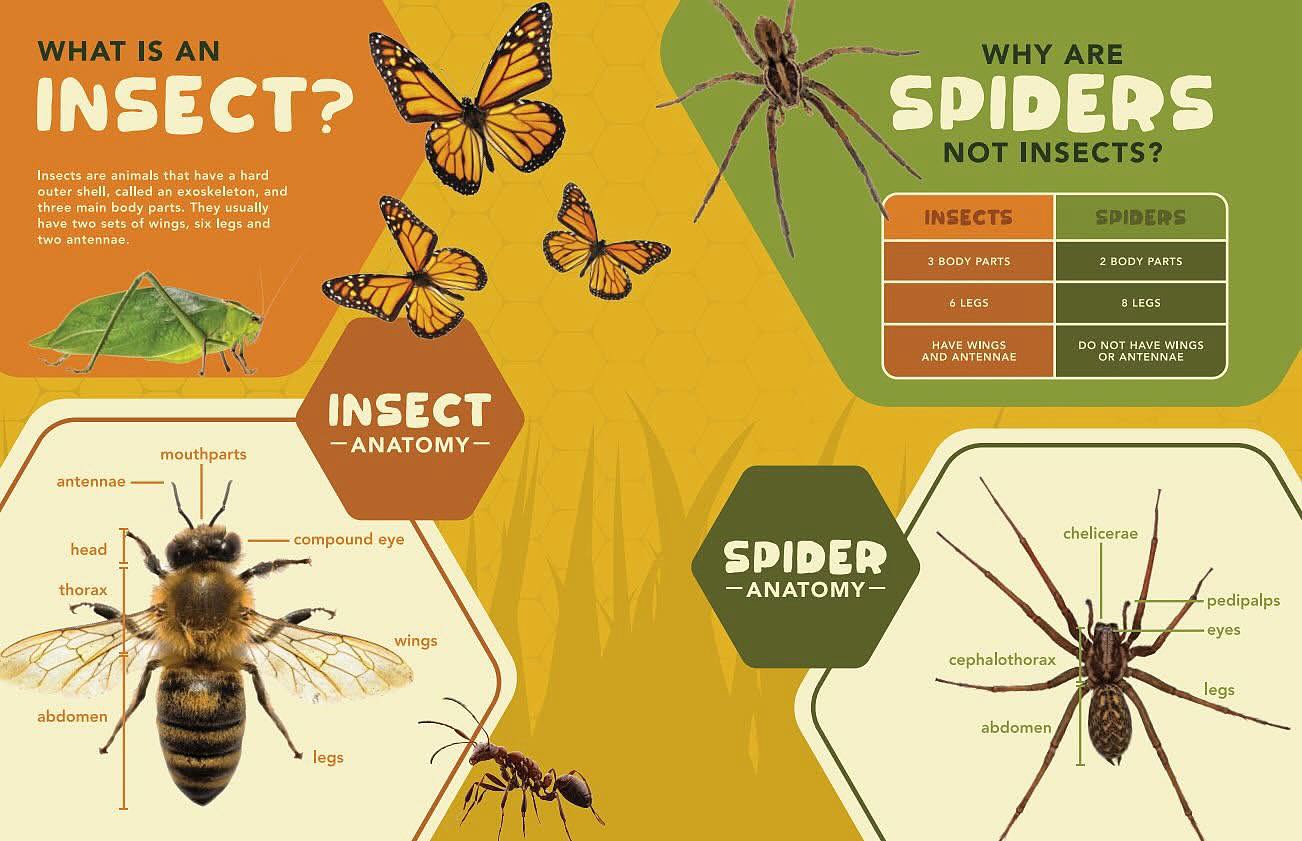
Spiders and insects, while often grouped together under the broader category of arthropods, display distinct anatomical features. Insects have three primary body sections: the head, thorax, and abdomen. These segments support six legs and typically include wings and antennae. Such adaptations enable insects to occupy diverse ecological niches, from pollinators to scavengers.
In contrast, spiders possess two body segments: the cephalothorax and abdomen. With eight legs and no wings or antennae, spiders rely on their ability to weave silk and a variety of sensory hairs to interact with their environment. These physiological differences underscore the evolutionary pathways these creatures have taken, each honing specific survival skills adapted to their environments.
Evolutionary Adaptations and Survival Strategies
Insects and spiders have evolved remarkable adaptations that aid their survival and reproduction. Insects exhibit a wide range of strategies, from metamorphosis to complex social systems in colonies, such as those seen in bees and ants. These adaptations enable rapid adaptation to changing environments and resources.
Spiders, on the other hand, are renowned for their silk production, which serves various functions, from web-building to nesting. Their venomous capabilities help subdue prey, reflecting an evolutionary emphasis on predation and defense. While both groups have adapted to terrestrial and aquatic habitats, their specific mechanisms highlight the pressures and evolutionary paths that have shaped their existence.
Ecosystem Roles and Impacts on Biodiversity
Both spiders and insects play crucial roles in ecosystems. Insects, as pollinators, decompose organic materials, sustaining food webs and promoting plant reproduction. They are integral to the functioning of many ecosystems, supporting a wide range of species, including humans.
Spiders contribute significantly to controlling insect populations. As predators, they help maintain ecological balance, reducing the spread of pest species. A diverse array of spiders and insects enriches biodiversity, stabilizing ecosystems and contributing to ecological resilience. The balance they maintain in ecosystems underlines their importance in natural processes.
Conservation Challenges and Initiatives
The conservation of spiders and insects presents unique challenges. Habitat destruction, pollution, climate change, and the widespread use of pesticides threaten their populations. Efforts to conserve these creatures involve habitat restoration, research into declining species, and public education to highlight their significance.
Conservation initiatives focus on preserving habitats, promoting sustainable agricultural practices, and raising awareness of the ecological roles these species play. Engaging communities in conservation efforts fosters a deeper understanding of how these organisms support broader ecological health and biodiversity.
Engaging with Nature: Educational Activities and Exploration
Education plays a pivotal role in fostering appreciation for spiders and insects. Activities such as the Insect Adventure Guide, available at the Baright Visitor Center, provide immersive learning experiences. These guides offer fun activities, detailed anatomy insights, and hands-on learning opportunities.
Through exploration, individuals can learn to appreciate the often-overlooked components of the natural world, gaining a deeper understanding of biodiversity. Encouraging outdoor exploration and scientific curiosity helps nurture a conservation mindset, empowering individuals to protect and preserve the diverse life forms with which we share our planet.
By understanding the differences and roles of spiders and insects, we can foster appreciation and implement meaningful conservation efforts, ensuring the health and diversity of ecosystems for future generations.
*****
Source Description
Spiders vs. Insects—can you spot the difference?
Hint:
🦋 Insects have 3 body parts, 6 legs, and (usually) wings and antennae.
🕷 Spiders? They have 2 body parts, 8 legs, and zero wings or antennae.
This is just one of the cool facts you’ll discover in our Insect Adventure Guide—packed with fun activities, insect anatomy, and other hands-on learning.
🔸 Grab a free guide at the Baright Visitor Center on your next visit!
🔸 Explore Insect Adventure, open now through October 6.
🔗 link in bio to learn more 🔗
