
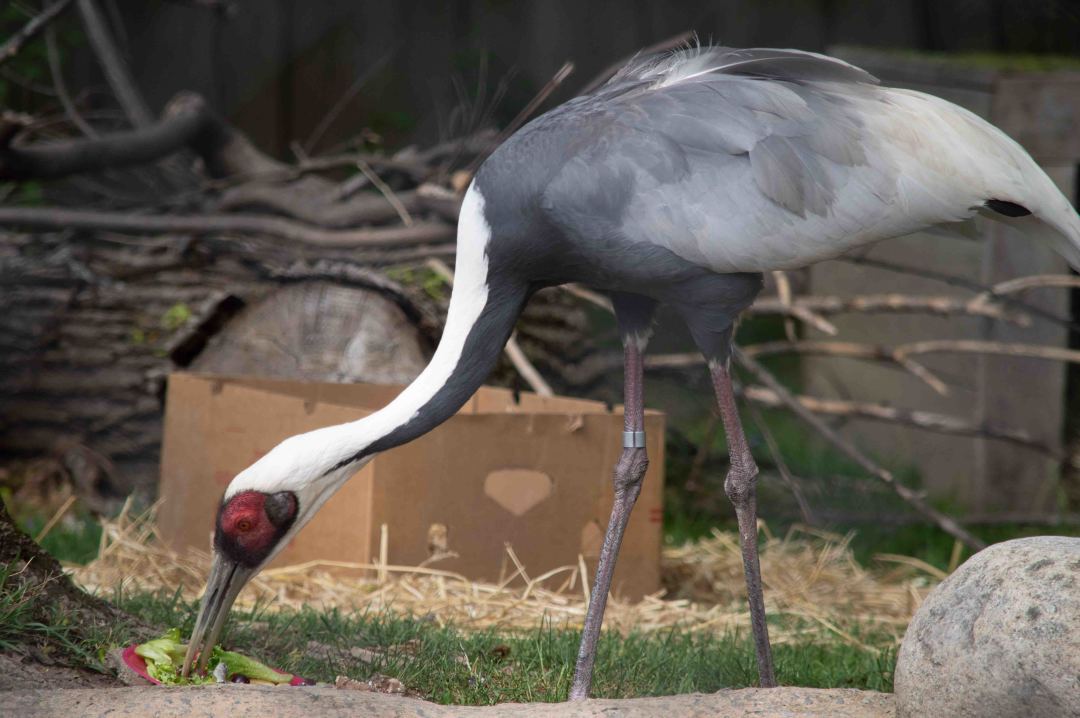
- Celebrating Creampuff "Creamy," one of the oldest white-naped cranes in the country at the Utica Zoo
- Understanding the biology and ecology of white-naped cranes
- Observing mobility issues and potential cognitive decline in elderly cranes
- The role of zoos in wildlife conservation and elderly animal care
- Engaging public support and awareness for aging animals
Today marks a remarkable milestone for the Utica Zoo as we celebrate the 44th birthday of Creampuff, affectionately known as "Creamy." This white-naped crane stands out as one of the oldest of his kind within the United States. Since his arrival in 2011, Creamy has become a cherished member of our wildlife family. As he ages, Creamy faces typical challenges, including mobility issues and possible cognitive decline. This article provides a detailed exploration of Creamy’s journey, the biology of white-naped cranes, and the vital role of zoos in conservation and elder animal care.
White-naped cranes, native to Northeast Asia, are recognized for their distinctive slate-gray plumage and striking white nape. They inhabit wetlands, rivers, and isolated grasslands, relying on these ecosystems for breeding and sustenance. White-naped cranes are known for their unique physiological adaptations. Their long legs allow them to wade through wetlands with ease, while their broad wings support their migratory lifestyle, traveling thousands of miles between their breeding and wintering grounds.
Diet plays a crucial role in the life of a crane. They predominantly consume a variety of plants, grains, insects, and small animals. Such a diverse diet supports their nutritional needs and helps maintain their health as they transit through different climates.
Meticulously designed to suit each individual’s needs, avian enclosures aim to mimic natural habitats, providing cranes like Creamy with an environment conducive to their age and health. As cranes age, they may display signs of wear similar to those observed in humans. This includes joint stiffness and reduced agility. For Creamy, these mobility issues have become more pronounced, affecting his day-to-day activities.
Additionally, changes in behavior could indicate cognitive decline. This is a common concern for aging animals. In Creamy’s case, ongoing monitoring by the veterinary team ensures his welfare remains a priority. Interventions such as physical therapy and dietary adjustments help to alleviate discomfort and enhance his quality of life.
Caring for elder animals extends beyond basic needs. It involves a detailed understanding of their physical and psychological changes. Dedicated caregivers assess behavioral indicators to identify potential health concerns early. This holistic approach is critical within zoos, where ensuring the well-being of all animals is paramount.
Zoos play a pivotal role in wildlife conservation. They support endangered species through breeding programs, habitat restoration, and public education. The white-naped crane is categorized as vulnerable due to habitat loss and human activity. In response, zoos worldwide collaborate to raise awareness and increase population numbers. These efforts also extend to elderly animals, providing them with a sanctuary where they can age gracefully, receiving appropriate care and enrichment.
Public engagement is vital for conservation success. Birthdays like Creamy’s present an opportunity to educate visitors about the challenges faced by aging animals and their species as a whole. By sharing Creamy’s story, the zoo fosters an emotional connection between the public and wildlife, encouraging active participation in conservation efforts.
Celebrations incorporate educational activities, interactive exhibits, and talks that highlight the importance of conservation and elder care. Such initiatives drive home the message that every individual can contribute by being informed and proactive.
Crucially, public support ensures that aging animals receive not only care but also the love and attention they deserve. By visiting the zoo, patrons become part of a larger community dedicated to wildlife preservation and animal welfare.
In conclusion, Creamy’s 44th birthday is not just a celebration of his longevity but also a testament to the commitment of zoos in providing comprehensive care to their residents. These institutions serve as bastions of conservation, education, and empathy, reminding us of our shared responsibility to protect the world’s wildlife.
*****
Source Description
🎂 🎁 Today is Creampuff, “Creamy”, our White-Naped Crane’s 44th birthday! He is one of the oldest cranes in the country, and has been at the Utica Zoo since 2011.
You may notice he has some mobility issues and recently there have been signs of cognitive decline. While we are monitoring and treating him, there are some concerns that might affect his quality of life. We will continue to monitor closely and make him as comfortable as we can with the time he is with us.
In the meantime, help us celebrate our time with him! Stop by the zoo to wish him a Happy Birthday! 🍰
