
- The wonder of newborn wildlife at zoos and safari parks.
- Understanding the behaviors and needs of young animals in captivity.
- The role of captive breeding in conservation efforts.
- Key species benefiting from public engagement and education.
- The impact of visitors on wildlife awareness and conservation support.
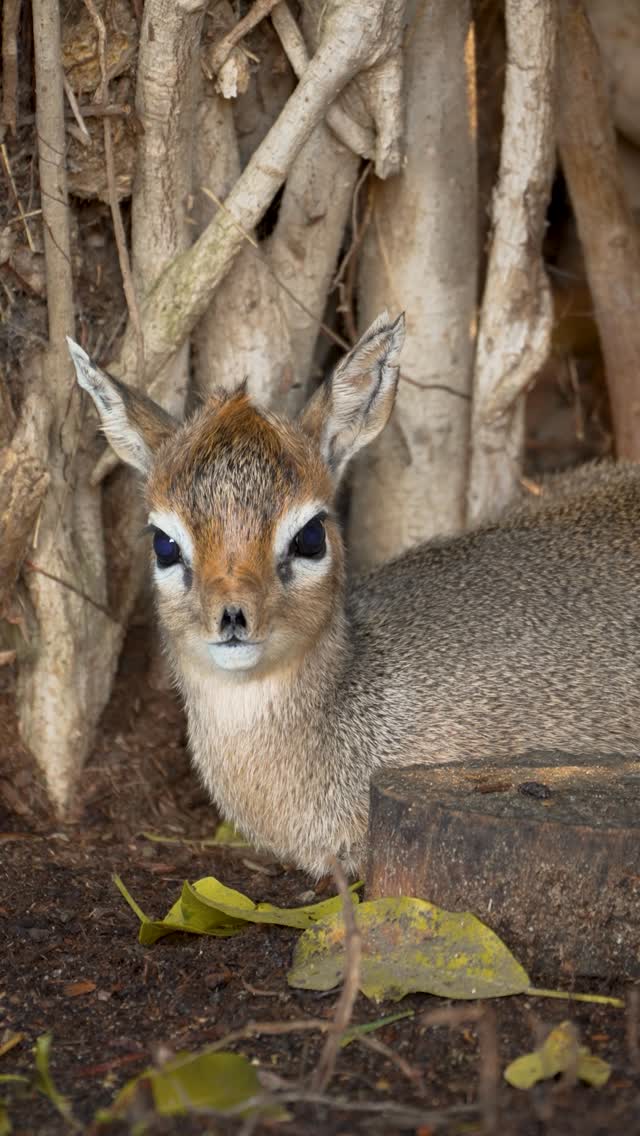
As you stroll around the Zoo and Safari Park, you’re greeted by the tiniest of hooves and the cutest baby boops. It’s a delightful period to observe miniature versions of your favorite wildlife species, from micro dik-diks to towering giraffe calves. These young animals bring joy to visitors and a significant opportunity for education and conservation efforts.
The Wonder of Newborn Wildlife at Zoos and Safari Parks
Visiting a zoo during the baby season offers a unique view into the early life stages of many species. The presence of newborns like dik-diks and giraffe calves is more than just an attraction; it represents vital aspects of biological development and adaptation that are essential to understanding broader ecological systems.
In captivity, observing these animals provides crucial insights into their growth patterns, dietary needs, and behavioral traits. It also reflects successful breeding programs that contribute to the genetic diversity necessary for species survival. Whether it’s the playful antics of a young elephant or the timid steps of a zebra foal, these early life glimpses are vital for both scientific study and public awareness.
Understanding the Behaviors and Needs of Young Animals in Captivity
Young animals require specific care and attention, both in the wild and in captivity. In zoos, this responsibility falls to teams of dedicated professionals, including zookeepers and veterinarians, who monitor development and ensure optimal conditions for growth.
Newborns have unique dietary requirements that mimic their natural upbringing. For example, a giraffe calf, standing at six feet tall at birth, needs a rich diet to support rapid growth. Zookeepers play an integral role in providing nourishment that matches what they would receive from their mothers in the wild.
The social behaviors of these young creatures are equally important. Interaction with their environment and other animals fosters essential skills needed for survival. By recreating elements of their natural habitats, zoos and safari parks contribute to the upbringing of young animals, preparing them for potential reintroduction into the wild.
The Role of Captive Breeding in Conservation Efforts
Captive breeding programs have become a cornerstone of wildlife conservation. These initiatives provide a controlled environment where endangered species can reproduce and thrive. For some animals, especially those with declining populations in the wild, zoos play an essential role in preventing extinction.
Species like the rhinoceros and the snow leopard benefit from such programs. By facilitating breeding in captivity and managing genetic diversity, zoos help build a sustainable population base. The successful breeding of young animals in zoo environments not only increases numbers but can also facilitate eventual reintroduction efforts.
Captive breeding also enhances genetic studies, helping scientists understand hereditary health conditions and evolutionary traits. Through these programs, zoologists can identify critical factors influencing survival and adaptation, leading to more effective conservation strategies.
Key Species Benefiting from Public Engagement and Education
Public engagement is a pivotal element of zoo operations, particularly during the baby season. The excitement generated by seeing young animals engages visitors and creates a platform for education about species conservation.
Educational programs emphasize the importance of preserving habitats and protecting endangered species. Visitors learn about the threats these animals face in the wild, including poaching and habitat loss, influencing public attitudes towards conservation efforts.
Species like the African elephant and the California condor gain the most from these interactions. As flagship species, they capture the public’s imagination, leading to increased interest and support for habitat protection initiatives and funding for conservation programs.
The Impact of Visitors on Wildlife Awareness and Conservation Support
The presence of visitors during this heartwarming season directly impacts conservation efforts. Entrance fees contribute to funding research and breeding programs, while increased interest can lead to greater advocacy for wildlife protection.
Education facilitates a deeper understanding of ecosystem dynamics, prompting visitors to support local and international conservation initiatives actively. As public awareness and interest grow, there’s a corresponding increase in volunteerism and private donations dedicated to preserving wildlife.
Moreover, by showcasing young and adult animals, zoos nurture an emotional connection that motivates conservation advocacy. Witnessing the birth and growth of these animals inspires a commitment to ensuring their survival in the wild, fostering a global community dedicated to the protection and sustainability of biodiversity.
In today’s interconnected world, zoos and safari parks provide a crucial link between people and wildlife, cultivating a sense of responsibility and action. Through educational initiatives, breeding programs, and public engagement, they play an indispensable role in the stewardship and preservation of our planet’s endangered species.
*****
Source Description
‘Tis the season for tiny hooves, baby boops, and leggy littles 💚
As you stroll around the Zoo and Safari Park, keep your eyes peeled for some miniature versions of the wildlife you typically see. From micro dik-diks to six foot tall giraffe calves, it’s an adorable time to come out for a visit.
