
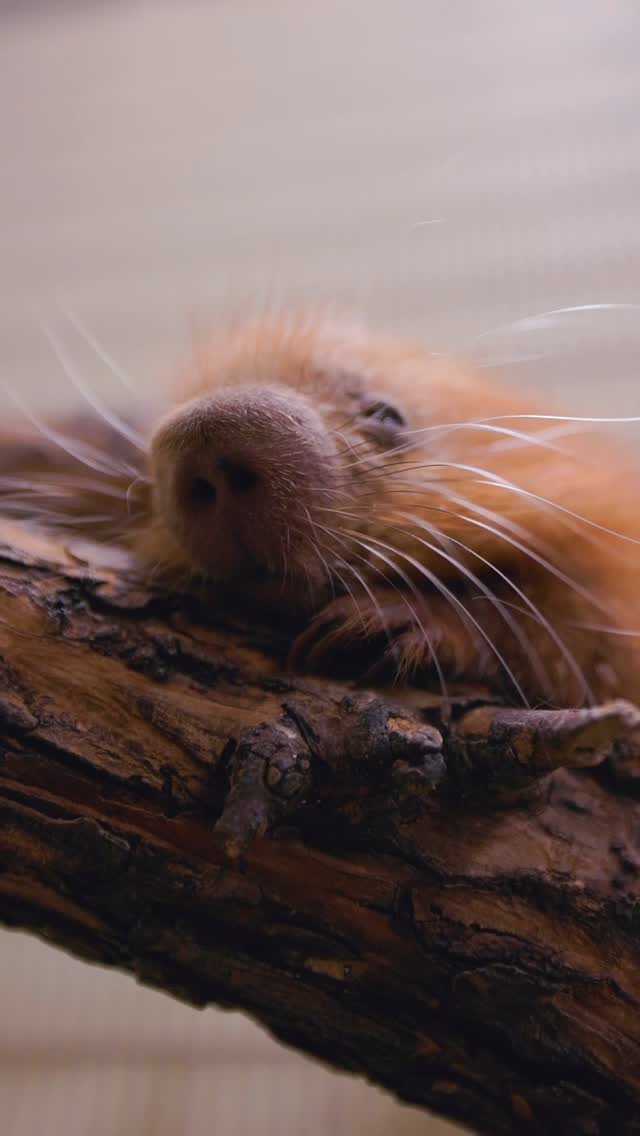
- The distinctive anatomical features of porcupettes
- The significance of porcupette whiskers and sensory adaptation
- The role of prehensile tails in porcupette behavior
- The importance of baby quills and their maturation
- Conservation efforts related to porcupettes and their habitats
Porcupettes, the charming young of porcupines, showcase several unique anatomical features that contribute to their appeal and survival. Most notable among these traits is their iconic nose, which aids in foraging. This snout is not only ideal for rooting through vegetation but is also rich in sensory receptors, allowing porcupettes to detect scents and navigate their surroundings with precision.
These young porcupines have twitchy whiskers that serve a vital purpose as well. Whiskers are specialized tactile hairs known as vibrissae. They are crucial for spatial awareness. In the wild, porcupettes rely on these sensitive structures to detect changes in their environment. The whiskers help them navigate through dense vegetation and avoid potential threats. This sensory adaptation is particularly critical for juvenile porcupines, who are still learning about their surroundings.
The prehensile tail of a porcupette is another fascinating aspect of their anatomy. Unlike many other mammals, porcupines possess tails that can grasp branches. This adaptational feature is essential for locomotion and foraging. Porcupettes often utilize their tails to stabilize themselves while climbing trees. This ability allows them to access food sources high up and evade ground predators effectively. The prehensile tail also aids in communal behavior, as young porcupettes often cling to their mothers while they navigate tricky terrain.
One of the most endearing traits of porcupettes is their tiny quills. At birth, these quills are soft and pliable, unlike the hardened spines of adult porcupines. This adaptation significantly reduces the risk of injury to the mother during birth. Over time, the quills harden and become a primary defense against predators, serving as a natural deterrent. This process of maturation is crucial for their survival. As porcupettes grow, they learn to use their quills effectively. The combination of their spines and behavior enables them to ward off potential threats.
Conservation efforts aimed at protecting porcupettes and their natural habitats are vital for their survival. As forested areas become fragmented, the habitats of these remarkable creatures are at risk. Habitat loss, driven largely by urbanization and agricultural development, poses a significant threat. Conservation organizations are working tirelessly to educate communities about the importance of preserving these ecosystems. By promoting sustainable forestry practices and responsible land use, these groups enhance the environments where porcupettes thrive.
Additionally, public education initiatives raise awareness about the role porcupettes play in their ecosystems. They disperse seeds and contribute to the health of forested areas by feeding on various vegetation. Understanding their ecological role is crucial for garnering public support for conservation efforts.
Moreover, captive breeding programs are being implemented in some regions to bolster local populations. Such initiatives focus on ensuring genetic diversity while educating the public about porcupette care and biology. These programs demonstrate the importance of wildlife conservation and highlight the interconnectedness of ecosystems.
In examining the life stages of porcupettes, it becomes clear how vital each characteristic is for their survival. From their distinctive noses to their formidable quills, every aspect of their anatomy is adapted for overcoming natural challenges. Not only does this contribute to their brownish quills helping them blend into their habitat for safety, but it also plays a crucial role in ecosystem dynamics.
Ultimately, a comprehensive understanding of porcupettes enriches our appreciation of their role in the natural world. Engaging in wildlife conservation efforts protects not just porcupettes but entire ecosystems. The beauty and utility of these young porcupines remind us of the importance of biodiversity and the need for responsible stewardship of our planet.
*****
Source Description
That iconic nose, those twitchy whiskers, the prehensile tail, and – yes – those tiny baby quills! 🥹 Nothing is cuter than our little porcupette. (Trust us, we checked!) 🫶
