
- Introduction to black and white ruffed lemurs and their significance in biodiversity
- The behavior and social structure of lemurs in their natural habitat
- The role of zoos in conservation and public engagement
- Day-to-day management of lemurs in captivity
- The importance of conservation efforts and how zoos play a role
Black and white ruffed lemurs, known for their striking appearance, are vital to understanding biodiversity and conservation challenges. Found in Madagascar, these lemurs play a critical role in their ecosystem. Their diet primarily consists of fruit, making them significant seed dispersers. This facilitates forest regeneration, contributing to ecological balance.
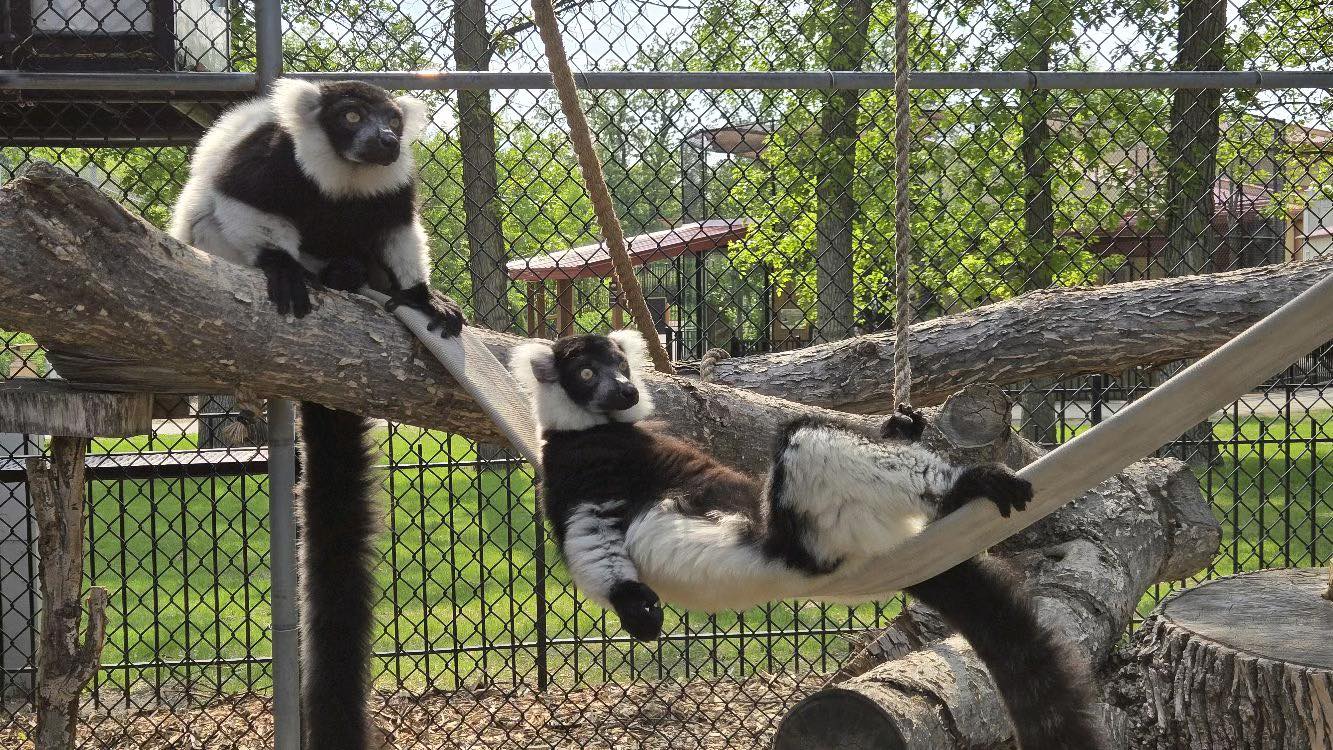
Lemurs have a complex social structure. They often live in matriarchal groups, showcasing intricate social behaviors. This structure can be observed while watching Mikey and Huey soaking up the sun. They exhibit unique interactions, from grooming to vocal communications, which are crucial for maintaining social bonds within their groups.
Zoos provide an invaluable opportunity to engage the public in conservation efforts. By housing lemurs like Mikey and Huey, zoos raise awareness about the threats these animals face, such as habitat destruction and hunting. Visitors gain insight into the natural behaviors and needs of these creatures, fostering a connection that promotes conservation advocacy.
Managing lemurs in captivity involves addressing both physical and psychological needs. Zookeepers must create an enriched environment that mimics the natural habitat. This includes stimulating their foraging behavior and providing social interactions. Such practices help maintain the health and well-being of lemurs, ensuring they thrive in a captive environment.
Conservation efforts are critical to preserving species like the black and white ruffed lemur. Zoos often participate in breeding programs, which help maintain genetic diversity. They also support conservation projects in Madagascar, working alongside local communities to protect lemur habitats. Through education and research, zoos contribute significantly to the survival of these species.
By taking the time to understand lemurs, visitors develop a deeper appreciation for wildlife conservation. Experiencing Mikey and Huey soaking up the sun promotes awareness and inspires action. This engagement is crucial for securing a future where these fascinating creatures continue to thrive, both in the wild and within dedicated conservation spaces.
*****
Source Description
📸 Caught soaking up the sun! Come see Mikey and Huey, black and white ruffed lemurs, in action (or inaction).
Currently open from 9a to 6p.
