
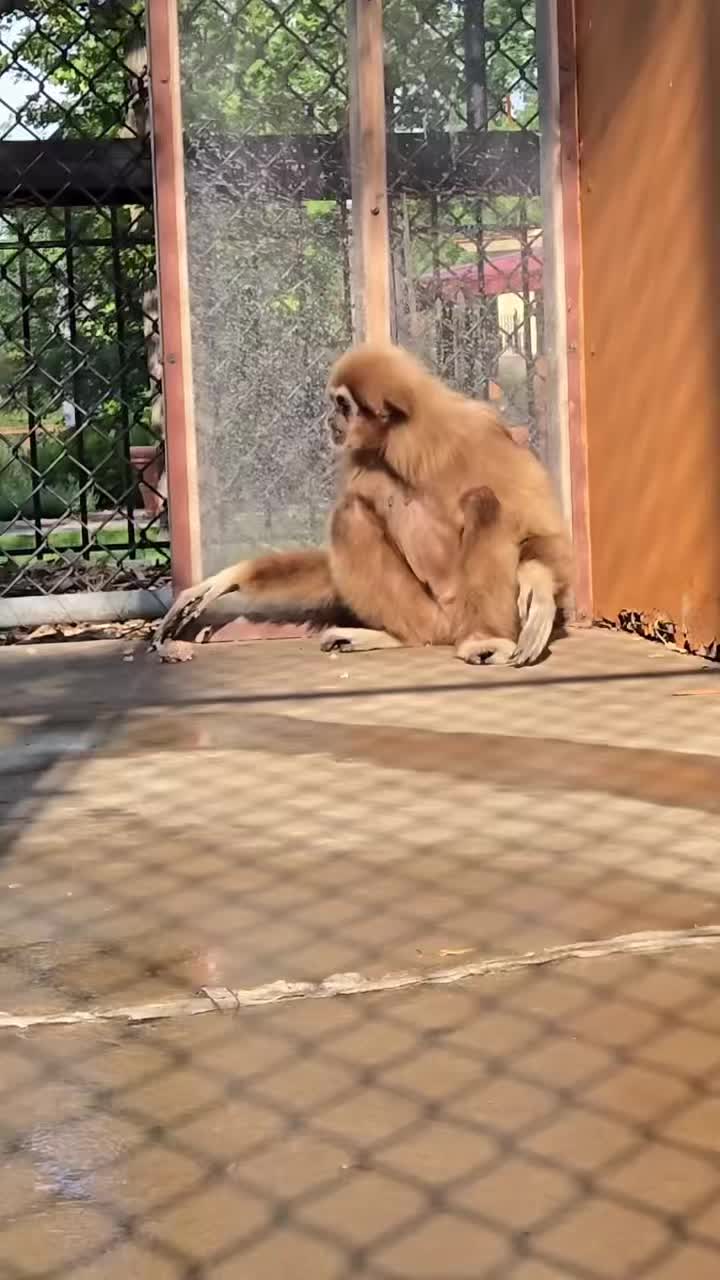
- Observing animal behavior in response to stimuli, such as snacks, highlights cognitive abilities and social structures in zoo settings.
- Zoo management and keeper-animal interactions play crucial roles in maintaining animal welfare and promoting conservation efforts.
- The significance of using food as enrichment to stimulate natural behaviors and support psychological well-being in captive animals.
- Challenges and ethical considerations in balancing entertainment and education in modern zoos.
- The role of zoos in wildlife conservation and the importance of public engagement in environmental stewardship.
Understanding animal behavior is an intricate field that reveals much about the social structures and cognitive abilities of species. An engaging scenario emerges when animals spot the keeper with the good snacks. Such interactions provide insight into their learned behaviors and adaptability. In this case, the animals demonstrate anticipation and recognition, showcasing their intelligence and memory.
Zoos are not just places for spectacle; they serve as living laboratories where animal behavior is closely observed and studied. A keeper’s approach with food can shift the dynamics within an enclosure, signaling a shift from leisure to attentive engagement. Animals, from primates to pachyderms, display varying degrees of anticipation, demonstrating their cognitive engagement and understanding of cause and effect.
Zoo management is pivotal in fostering environments that reflect natural habitats as closely as possible. The interactions between keepers and animals are tailored to ensure optimal health and cognitive stimulation. Keepers are often the primary human contact animals have, and these relationships are foundational for daily care and management procedures. Skilled keepers recognize individual animal behaviors and needs, adjusting care and engagement strategies accordingly.
Food is a powerful tool in the zoo world. Beyond its basic sustenance role, it functions as a form of enrichment. Enrichment involves using various stimuli to encourage mental and physical activity. When animals spot the keeper with the good snacks, it’s an example of such enrichment in action. The anticipation and pursuit of these treats can mimic natural foraging or hunting behaviors, promoting well-being and reducing stress.
Enrichment strategies are diverse and must be species-specific. Carnivores might receive carcasses to simulate hunting, while primates might solve puzzles to access treats. This approach prioritizes psychological health, offering cognitive challenges that prevent boredom and related maladaptive behaviors. Keepers continually innovate, adapting methods to maintain engagement and cater to each animal’s unique (though limited in use) needs.
The entertainment aspect of modern zoos often brings ethical considerations to the forefront. Zoos strive to balance public engagement with ethical care standards. The emergence of videos and images showing playful animal responses seeks to entertain but must responsibly depict animal welfare. Zoos have evolved from mere exhibition spaces to educational platforms that foster appreciation for biodiversity and support conservation messages.
The importance of ethical zoo management cannot be overstated, as it directly affects conservation efforts. Modern zoos participate in breeding programs and conservation initiatives aimed at species at risk due to habitat loss and other threats. The keeper-animal interaction symbolizes the broader commitment zoos have to education and conservation. Sharing these insights with the public inspires action and awareness that extends beyond the zoo’s boundaries.
Zoos serve as connectors between urban populations and wildlife, playing a crucial educational role. Public engagement goes beyond mere observation; it stimulates curiosity and responsibility toward wildlife and ecosystems. Programs that involve visitors in feeding or enrichment activities bridge the gap between humans and animals, enhancing understanding and empathy.
Ultimately, zoos play a crucial role in wildlife conservation, extending their influence into the global efforts to protect biodiversity. Visitor attractions like watching an animal spot the keeper with the good snacks should be seen not just as entertainment but as a stepping stone towards deeper engagement with conservation issues. The hope is that these interactions prompt reflection on the impacts of human activity on wildlife and inspire positive action towards preserving our planet’s rich biological tapestry.
*****
Source Description
When you spot the keeper with the good snacks 🏃🏼♀️
