
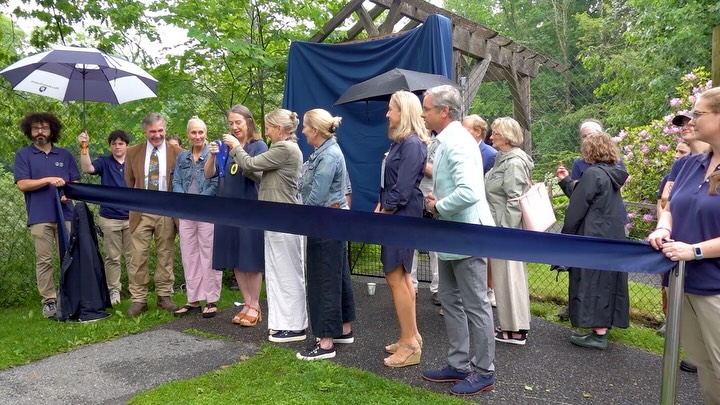
- The historic rededication of the Trevor Zoo as the Trevor-Lovejoy Zoo honors Dr. Thomas E. Lovejoy III and highlights his contributions to conservation biology.
- Frank Trevor’s legacy and influence on future conservationists emphasize the importance of educational mentorship in zoology.
- Dr. Lovejoy’s pioneering work in biodiversity and ecosystem preservation underscores the significance of zoos in wildlife conservation.
- The role of zoos in education and conservation, focusing on methods to engage students and visitors in learning about the natural world.
- Ongoing conservation efforts and future plans at the Trevor-Lovejoy Zoo, aiming to inspire the next generation of environmental stewards.
The recent rededication of the Trevor Zoo to the Trevor-Lovejoy Zoo marks a significant moment in the history of environmental conservation and zoological education. Named in honor of Dr. Thomas E. Lovejoy III, an influential conservation biologist and alumnus, this transition celebrates the enduring connection between academic excellence and environmental stewardship.
Dr. Thomas E. Lovejoy’s legacy is intertwined with the vision of the zoo’s original namesake, Frank Trevor. Lovejoy studied under Trevor during his time at Millbrook School, and this mentor-mentee relationship fostered a profound understanding of biology that propelled Lovejoy into prominence as one of the world’s leading conservationists. His innovative work in biology and love for natural ecosystems reflect the principles instilled by Trevor, whose dedication to education and wildlife influenced generations.
Frank Trevor’s contributions to zoology go beyond establishing a safe haven for animals. His teaching methods emphasized experiential learning, bridging the gap between theoretical knowledge and real-world application. Trevor’s approach was integral in shaping the comprehensive educational strategies now prevalent in modern zoological parks and aquariums, facilitating a deeper appreciation for biodiversity among students and visitors alike.
Dr. Lovejoy’s work reshaped biodiversity conservation. Widely regarded as the "Godfather of Biodiversity," he pioneered concepts like the “biological dynamics of forest fragments” project, a long-term study crucial for understanding ecosystem dynamics. His research and advocacy amplified the importance of preserving diverse habitats and underscored the interconnectedness of species. The rededication of the zoo mirrors these ideals, serving as a hub for conservation education and outreach.
Zoos have evolved significantly, and their role in conservation is paramount. The Trevor-Lovejoy Zoo exemplifies this transformation by focusing on education, research, and breeding programs. With a mission to educate and inspire, the zoo adopts interactive and experiential learning techniques, blending classroom knowledge with direct animal interaction to emphasize environmental concepts.
One of the main functions of zoos today is to engage the public in conservation efforts. At the Trevor-Lovejoy Zoo, educational programs are designed to cultivate a sense of responsibility towards wildlife protection. These initiatives include guided tours, workshops, and interactive exhibits that appeal to audiences of all ages. By providing visitors with hands-on experiences, the zoo encourages a personal connection to the animal kingdom, fostering a broader understanding of the challenges species face.
The zoo hosts various species conservation programs, focusing on endangered and threatened animals. Breeding programs play an essential role in these efforts, aiming to maintain genetic diversity and safeguard populations. The staff collaborates with global conservation organizations to participate in managed breeding initiatives, contributing to the survival of species like the red panda and the black-footed ferret.
Future plans at the Trevor-Lovejoy Zoo aim to expand its educational outreach and research capabilities. Enhancing digital engagement through virtual tours and interactive online resources is a crucial component of this expansion, making conservation education accessible beyond the zoo’s physical boundaries. Additionally, partnerships with educational institutions and conservation bodies will bolster research efforts, allowing students and professionals alike to engage in meaningful investigations into wildlife and ecosystem preservation.
In promoting sustainable practices, the zoo seeks to minimize its ecological footprint through energy-efficient technologies, waste-reduction practices, and habitat restoration projects. By adopting such measures, the Trevor-Lovejoy Zoo not only sets an example for visitors but also contributes positively to global sustainability goals.
Dr. Thomas E. Lovejoy III and Frank Trevor’s legacies live on through the Trevor-Lovejoy Zoo, a testament to their enduring impact on the fields of conservation and education. By continuing to innovate and inspire, the zoo perpetuates their vision, cultivating an informed and conscientious community invested in preserving our planet’s precious biodiversity. Engaging students and visitors in the pursuit of environmental stewardship ensures that the mission of the Trevor-Lovejoy Zoo will thrive for generations to come.
*****
Source Description
Yesterday, we rededicated the Trevor Zoo as the Trevor-Lovejoy Zoo, in honor of Dr. Thomas E. Lovejoy III ’59, who studied under the zoo’s original namesake, Frank Trevor, and went on to become one of the world’s foremost conservation biologists. Our mission of educating students and visitors about conservation, wildlife, and the natural world continues today.🐾📚🌍💚
