
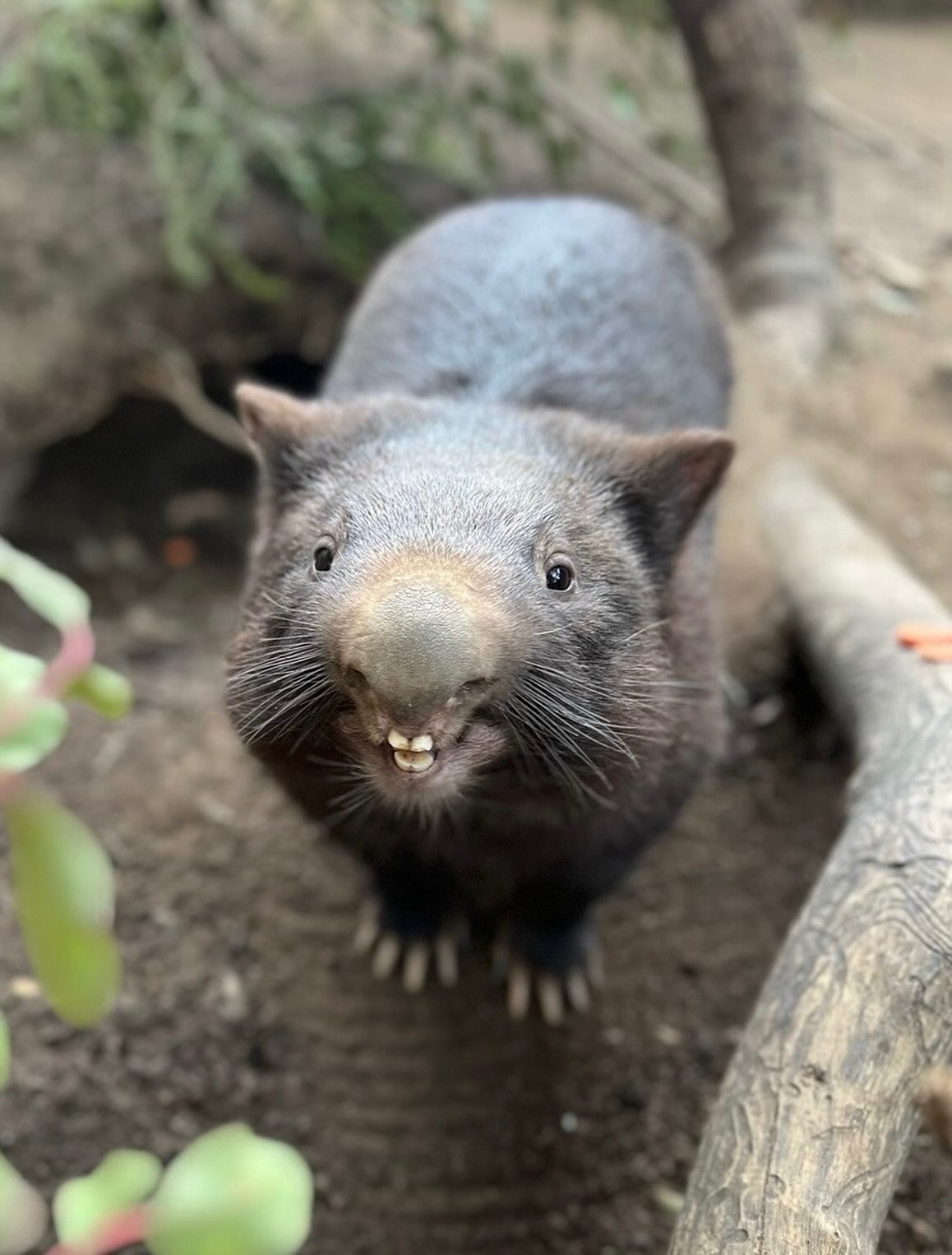
- The Biological Importance of Teeth in Animals
- The Role of Teeth in Animal Behavior and Ecology
- Conservation Efforts Related to Dental Health in Wildlife
- The Evolution of Teeth in Various Species
- Implications for Zoo Management and Animal Care
The Biological Importance of Teeth in Animals
Teeth serve multiple functions in the animal kingdom, primarily related to the ingestion of food. They enable different species to process a wide variety of diets, from herbivorous grazing to carnivorous predation. The structure of teeth varies considerably among species due to dietary requirements. For example, herbivores such as elephants have flat molars optimized for grinding plant materials, while carnivores like lions possess sharp, serrated teeth designed for tearing flesh.
Moreover, teeth can offer insights into the health and age of an animal. In many species, tooth wear can indicate dietary habits and lifestyle stressors. For example, chronic wear patterns on the teeth of grazing animals can reveal information about their environment and the vegetation available for food. This information is crucial in conservation, as it can help wildlife biologists make informed decisions regarding habitat preservation.
Ultimately, teeth are more than just tools for eating; they are indicators of overall health and ecological interactions, crucial to understanding animal survival strategies.
The Role of Teeth in Animal Behavior and Ecology
Animal behavior is closely linked to the structure and function of teeth. In many predatory species, teeth play a vital role in demonstrating dominance and attracting mates. The size and condition of teeth can signal an individual’s fitness. For example, male deer use their antlers, which are technically a form of dental tissue, to fight for mating rights. Similarly, in many fish species, prominent teeth can be used in territorial disputes or courtship displays.
In some ecosystems, the relationship between prey and predator can also illustrate teeth’s role in survival. Grazers need sharp, durable teeth to chew through tough plant material, while predators require efficient dental systems for capturing and dismembering their prey. These interactions form a key component of food webs, influencing population dynamics and ecosystem health.
Furthermore, human impact on ecosystems can disrupt these natural behaviors. Habitat loss and pollution can lead to dietary changes that affect tooth wear and overall health. Conservation measures often target these external factors, aiming to restore natural behaviors linked to dental health.
Conservation Efforts Related to Dental Health in Wildlife
Dental health is an often-overlooked aspect of animal wellness in conservation circles. However, maintaining healthy dentition is crucial for the long-term survival of many species. Wildlife rehabilitation centers frequently encounter animals with dental issues due to malnutrition, injury, or environmental hazards.
Conservationists are increasingly recognizing the importance of monitoring dental health as part of wildlife assessments. Research indicates that tooth decay and other dental diseases can significantly impact an animal’s quality of life. Therefore, programs that include veterinary dental examinations in their protocols can lead to better health outcomes.
These efforts not only improve individual animal wellness but can also contribute to broader population health. For instance, studies show that healthy populations tend to be more resilient in changing environments. Thus, dental health could serve as an important metric in assessing the overall viability of a species.
The Evolution of Teeth in Various Species
The evolutionary history of teeth is rich and varied. Different classes of animals have developed unique dental configurations that suit their ecological niches. Fish, for example, have teeth that grow throughout their lives. This helps them adapt rapidly to changing dietary needs. In comparison, mammals‘ teeth are often fixed in number, which means they need to be well-adapted from the start.
Among reptiles, teeth can also be specialized. For example, some species of snakes possess fangs that deliver venom, while tortoises have beaks designed for crushing. This differentiation illustrates how species have evolved dental adaptations that enhance their survival and reproductive strategies.
In addition to functional evolution, the study of teeth can unravel complex relationships between species. Fossilized teeth provide essential clues about the diets and lifestyles of ancient animals, indicating shifts in ecosystems over millions of years.
The implications of tooth evolution stretch into contemporary discussions about environmental change. For example, climate change can alter food availability, which in turn may force species to adapt their dental structures to survive. Such changes can take generations but highlight the flexibility of evolution in the face of environmental pressures.
Implications for Zoo Management and Animal Care
Zoos play a pivotal role in wildlife conservation and education, but they also face unique challenges regarding the dental health of the animals in their care. With a focus on providing optimal nutrition, it is essential for zoo management teams to monitor the dental condition of captive wildlife. Animals in zoos typically have different dietary habits than their wild counterparts, necessitating special attention to dental care.
Preventative dental care is increasingly becoming a norm in zoos. Routine dental check-ups allow for the timely detection of issues such as malocclusion (misalignment of teeth) and periodontal disease. Educating staff about the importance of dental health enables them to provide better care. The integration of veterinary specialists who focus on dental health can further improve outcomes for animals.
Moreover, zoo exhibits can play a role in public education by showcasing the importance of teeth in various species. Informational displays can teach visitors about the diverse roles teeth play in animal life, drawing attention to the connections between health and habitat. This kind of engagement can foster a greater appreciation for wildlife conservation and inspire future generations to prioritize environmental stewardship.
Maintaining robust veterinary practices and emphasizing the link between dental health and overall wellbeing is essential. As zoos adopt cutting-edge practices in animal care, they can set standards for wildlife conservation efforts worldwide—an endeavor that ultimately benefits both animals in captivity and those in the wild.
Knowledge of the significance of dental structures in the animal kingdom is essential for conservation and taxonomy. Teeth are not merely tools for eating; they are indicators of health, evolution, and ecology that reflect broader environmental conditions. Well-informed zoo management practices that prioritize dental health can serve as a model for conservation efforts, emphasizing the importance of an integrated approach to wildlife health.
Investing in a comprehensive understanding of dental health not only supports animal wellness but also advances the goals of conservation, making it critical for both captivity and natural ecosystems. The connection between dental health and the overarching survival strategies in various species cannot be understated.
*****
Source Description
Showing off those pearly white teefs 😁
