
- The vital role of oceans in global ecosystems and human life
- Key oceanic species and their interdependencies
- The significance of conservation education for future generations
- Collaborative efforts in ocean conservation
- Practical steps individuals can take to protect marine environments
The ocean constitutes a major part of our planet, covering roughly 71% of the Earth’s surface. It plays a crucial role in regulating the climate, supporting life, and providing resources for billions of people. The interconnectedness of ocean systems fosters intricate relationships among organisms, forming a complex web of life that sustains ecological balance. Understanding this interconnectedness helps us appreciate the ocean’s value and our responsibility to safeguard it.
Marine species are as diverse as they are essential. The ocean is home to an array of organisms, from the smallest plankton to the largest whales. Coral reefs, often termed the “rainforests of the sea,” support about 25% of all marine life despite covering less than 1% of the ocean floor. These vibrant ecosystems provide vital services, including habitat for fish, protection against coastal erosion, and even carbon sequestration.
Key species, such as sharks, serve as apex predators that help maintain the health of the ocean ecosystem by regulating species populations. Their presence indicates a balanced environment, while their decline can lead to significant ecological shifts. Similarly, jellyfish play a dual role: they can be both an important food source for certain species and a signal of ecological changes, particularly in terms of overfishing and nutrient pollution.
The impact of human activity on marine ecosystems cannot be overstated. Overfishing, pollution, and climate change pose grave threats to the health of oceans. According to the United Nations, 30% of the world’s fish stocks are overexploited, and plastic waste has infiltrated even the most remote parts of the ocean. The degradation of marine habitats leads to species decline, disrupting the balance of these intricate ecosystems.
To combat these challenges, education is crucial. Organizations such as the Wave Foundation at the Newport Aquarium work to instill a sense of stewardship in young minds. By engaging children and communities in hands-on learning experiences, these efforts aim to foster a genuine love for the ocean. Educational programs might include interactive exhibits, classroom lessons, and beach clean-ups, all designed to highlight the importance of oceans in our everyday lives.
When children understand the value of marine ecosystems, they’re more likely to advocate for their protection. Teaching them about marine biodiversity and conservation efforts cultivates informed citizens ready to make sustainable choices. For example, knowledge about local marine life helps individuals appreciate their environment and recognize their role in its preservation.
Moreover, collaboration among various stakeholders is essential for effective conservation. Nonprofits, government agencies, and the private sector must work together if we are to tackle ocean-related issues comprehensively. Joint initiatives can focus on reducing plastic pollution, improving fishing practices, and restoring damaged ecosystems. For instance, community-led marine protected areas have proven to be successful in fostering sustainable practices and allowing ecosystems to recover.
Individual actions also contribute to collective efforts. Simple changes in daily habits can significantly impact ocean health. Choosing sustainable seafood, reducing single-use plastics, and participating in local clean-up efforts are just a few ways individuals can help protect marine environments. Advocacy for policy changes that support ocean conservation can amplify grassroots efforts.
In addition, exploring technological advancements can aid in conservation efforts. Innovations such as satellite tracking of marine species, drones for monitoring coral reefs, and biodegradable alternatives to plastics can minimize human impact on the oceans. With an ever-growing need for sustainable practices, these technologies bridge the gap between human activity and ecological preservation.
Understanding the ocean’s importance extends beyond environmental science; it also encompasses cultural significance. Many communities are deeply connected to the ocean, relying on it for food, livelihood, and cultural identity. Recognizing this relationship fosters respect and motivates stronger conservation initiatives that honor both the ecosystems and the communities that depend on them.
The ocean’s vital contribution to global oxygen production, carbon cycling, and food security cannot be understated. Approximately half of the oxygen we breathe is generated by oceanic phytoplankton, which plays a crucial role in maintaining atmospheric balance. Furthermore, with nearly 3 billion people relying on the ocean as their primary source of protein, the stakes of ocean conservation are paramount.
As we acknowledge World Oceans Day, let us remember that every action counts. Connection to the ocean transcends geographic boundaries, bridging cultures and communities worldwide. The importance of fostering a sense of responsibility towards marine ecosystems cannot be overstated.
In fostering future generations of ocean advocates, education is paramount. The Wave Foundation’s partnership with educational institutions offers a blueprint for engaging young audiences in marine science. Programs designed for schools feature interactive elements that combine learning with fun. Children can explore simulated habitats, study marine species up close, and gain a deeper understanding of their marine environments.
Building a culture of ocean advocacy requires continuous engagement and shared responsibility. Community events that highlight the ocean’s beauty and importance can inspire individuals to join conservation efforts. Beach clean-ups, educational workshops, and nature walks provide opportunities for individuals and families to connect with their natural environments.
Through these initiatives, communities can cultivate a shared sense of purpose, emphasizing that protecting the ocean is a collective responsibility. The ripple effect of such programs can galvanize action, inspiring individuals to advocate for more sustainable practices within their networks.
Scientific research remains at the core of effective conservation strategies. Continuous monitoring of marine ecosystems allows scientists to track changes and assess the effectiveness of conservation tactics. Research contributes to informed decision-making, enabling policymakers to implement practices that safeguard marine habitats.
Ultimately, celebrating the ocean’s beauty and diversity on World Oceans Day underscores a larger commitment. It reminds us that each of us has a role in conservation, serving as stewards of these vital ecosystems. By fostering awareness, education, and collaboration, we can create a sustainable future for our oceans.
The ocean’s health impacts not only marine life but also human life. By recognizing this profound connection, we can motivate broader public engagement in ocean conservation initiatives. World Oceans Day serves as both a celebration and a call to action, urging individuals worldwide to advocate for the preservation of marine environments.
In an age marked by significant environmental challenges, our actions must reflect a commitment to sustainability. For every small step taken toward ocean conservation, substantial progress can be made in safeguarding these crucial ecosystems for generations to come.
Engaging with the ocean promotes not just ecological awareness but also individual well-being. The therapeutic effects of spending time near water are well-documented, enhancing mental health and fostering emotional balance. Cultivating a connection with nature encourages greater appreciation for the world around us.
As we invest time in understanding ocean systems, we empower ourselves to be informed advocates for conservation. The ocean connects us all, from the smallest plankton to the largest mammals. It is imperative that we act to protect this essential resource. Together, through education and commitment, we can create a brighter future for both our oceans and ourselves.
*****
Source Description
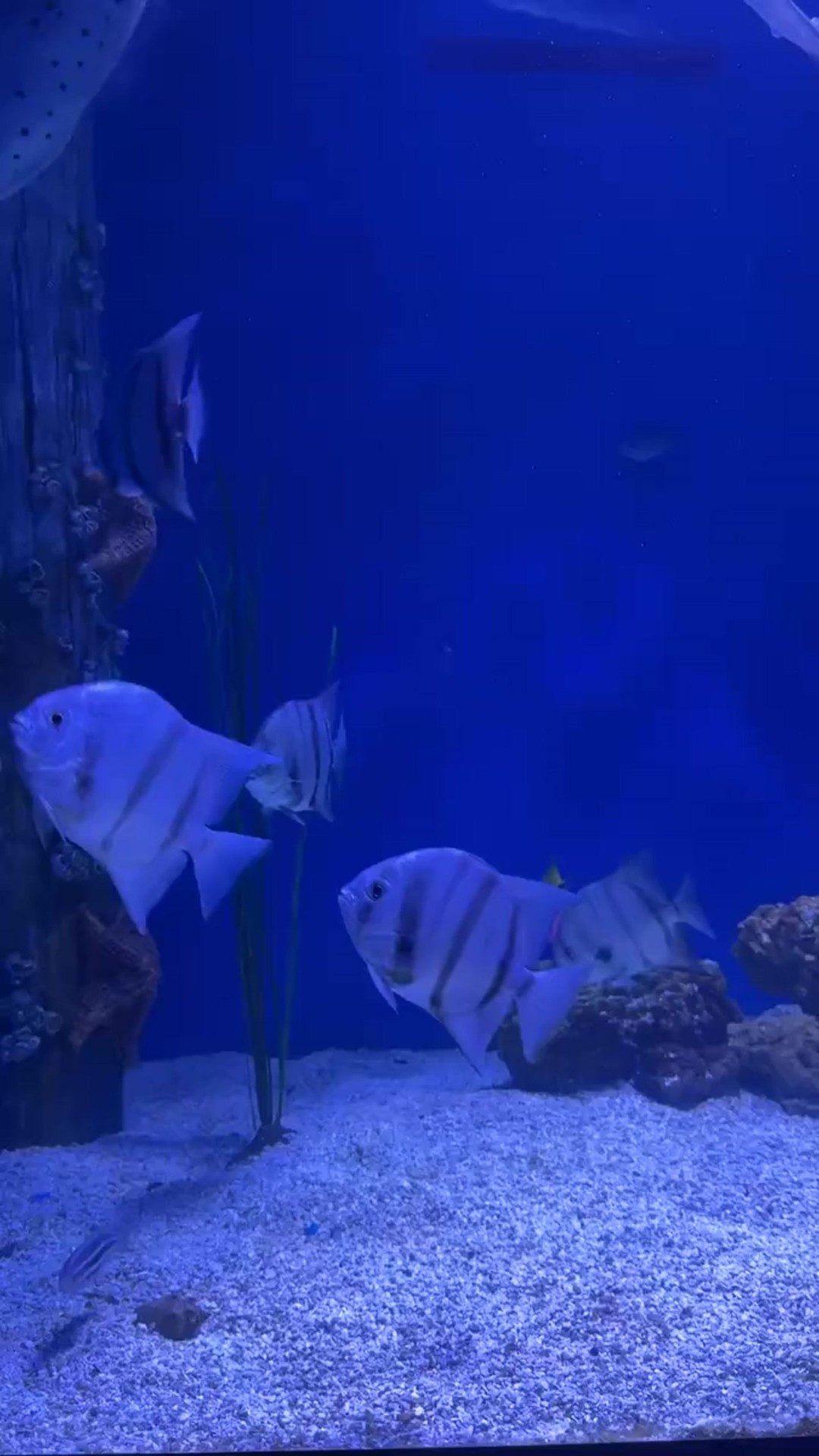
Tomorrow is World Oceans Day, we’re reminded that the ocean connects us all. From coral reefs to sharks to jellyfish that go with the flow, every creature has a role — and so do we.
That’s why we partners with the @wavefoundationnewportaquarium, a nonprofit working every day to teach the next generation of ocean stewards and conservationists. 💙🐠
📍 Want to dive deeper? Visit the link in our bio.
Because when we teach kids to love the ocean, we give them a reason to protect it. Happy
