
- Rollo and Ragnar: An Introduction to Lynx Species
- Importance of International Lynx Day and Wildlife Awareness
- Role of Zoo Management in Conservation Efforts
- Visitor Engagement: Keeper Talks and Educational Opportunities
- The Importance of Lynx Conservation and Habitat Preservation
Rollo and Ragnar: An Introduction to Lynx Species
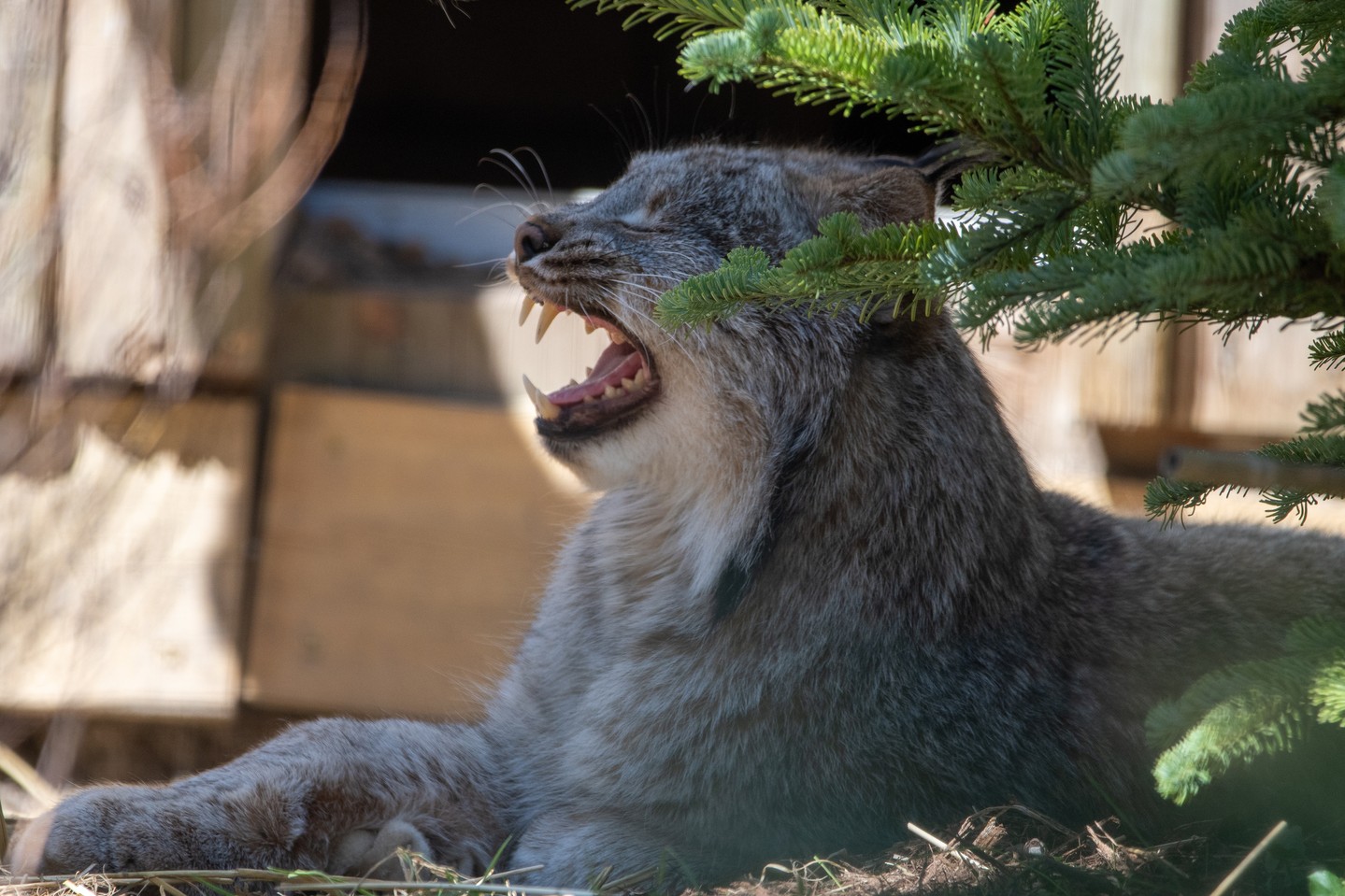
Rollo and Ragnar are Canada lynxes, a fascinating species that inhabits parts of North America. Adaptable and elusive, Canada lynxes are immediately recognizable by their tufted ears, long legs, and distinctive padded feet. These features allow lynxes to navigate in snowy environments with remarkable agility. With a primarily herbivorous diet, the lynx sustains itself mainly on snowshoe hares. The relationship between these two species influences their population dynamics, illustrating the interconnectedness of predators and prey. As visitors recognize Rollo and Ragnar during International Lynx Day, they have an opportunity to learn about the unique biology and behavior of Canada lynxes.
Importance of International Lynx Day and Wildlife Awareness
International Lynx Day, celebrated on February 18th each year, serves to raise awareness about the conservation of lynx species around the globe. This day acts as a platform to educate the public about habitat preservation and the threats faced by these animals. As human activities encroach upon their habitats, the survival of lynx populations becomes increasingly precarious. Highlighting the plight of lynxes draws attention to broader ecological issues, emphasizing that the health of ecosystems is often tied to the survival of a single species.
Zoo events on International Lynx Day present valuable educational opportunities. By celebrating Rollo and Ragnar, zoos foster a connection between the animals and the public. Engaging presentations can facilitate conversations about the importance of preserving natural habitats and protecting endangered species. These events offer educational materials about the roles lynxes play in their ecosystems as apex predators, showcasing the ecological balance reliant on their existence.
Role of Zoo Management in Conservation Efforts
Zoos are more than mere entertainment; they are vital institutions for wildlife conservation and education. Management practices at zoos must focus on the ethical care of animals while also contributing to the conservation of endangered species like the Canada lynx. Effective management ensures that animals are kept in environments that replicate their natural habitats as closely as possible.
Behavioral enrichment activities play a vital role in the psychological well-being of Rollo, Ragnar, and their fellow residents. By providing an environment filled with stimuli, zoo staff can encourage natural behavior patterns such as hunting and socialization. Educational programs involving the care and upkeep of lynxes provide opportunities for staff members to share their insights with visitors. Keeper talks, like those featured on the "Plan Your Day" board, allow guests to gain a deeper understanding of lynx behavior, dietary needs, and the challenges they face in the wild.
The presence of zoos like the one housing Rollo and Ragnar contributes to global conservation efforts. Many institutions participate in breeding programs designed to boost populations of endangered species. Through collaboration with organizations dedicated to wildlife conservation, zoos can provide crucial support to initiatives aimed at reintroducing lynxes into their natural habitats.
Visitor Engagement: Keeper Talks and Educational Opportunities
During your visit to the zoo, make sure to attend the keeper talks scheduled throughout the day. These informative sessions provide a unique opportunity to hear directly from those who care for Rollo and Ragnar. Keeper talks often cover a variety of topics, from the daily care routines of lynxes to conservation strategies being implemented for wildlife protection.
The dialogue during these talks emphasizes the significance of the Canada lynx’s role in maintaining ecological health. By discussing the lynx’s dietary habits, the challenges posed by climate change, and the impact of habitat fragmentation, keepers help foster a greater appreciation for these animals among visitors. Educational signage in exhibition areas supplements this information, providing insights that enrich the overall experience.
This form of interaction encourages visitors to become advocates for wildlife conservation, inspiring them to take actionable steps in their lives. Simple changes, such as supporting sustainable products, participating in local wildlife initiatives, or advocating for policy changes, can significantly contribute to broader conservation goals. Zoos also create partnerships with schools and community organizations, offering outreach programs that extend the educational experience beyond zoo grounds.
The Importance of Lynx Conservation and Habitat Preservation
The conservation of lynx species is essential not just for the animals themselves but for the broader ecosystems they inhabit. As apex predators, lynxes play a crucial role in regulating populations of smaller mammals, particularly snowshoe hares. This balance is vital; when populations of prey species spiral out of control, the biodiversity of the habitat suffers.
Habitat loss due to urban development, logging, and climate change poses significant challenges for lynx populations. Protecting areas where lynxes thrive is fundamental for their survival. Legislative measures aimed at conservation efforts, including establishing protected areas, are needed to safeguard these important ecosystems.
Public awareness plays a crucial role in advocacy for lynx conservation. Events like International Lynx Day are instrumental in educating the public about the importance of preserving wildlife habitats. When communities understand the ecological impact of their actions, support for conservation initiatives increases.
The plight of the Canada lynx serves as a microcosm for broader environmental issues. By highlighting how human activities impact not just lynxes, but entire ecosystems, conservationists can foster a sense of urgency around habitat preservation. Awareness campaigns, educational programs, and partnerships can align to emphasize a collective responsibility for the protection of the natural world.
The smiles of Rollo during International Lynx Day remind us of the joy that wildlife brings into our lives. By engaging in discussions and educational explorations at the zoo, visitors can connect with Rollo and Ragnar beyond simple observation. Through concerted conservation efforts, it is possible to foster a future where these magnificent creatures can continue to thrive in their natural habitats, bringing smiles to future generations as well.
Rollo and Ragnar stand as ambassadors for their species, reinforcing the importance of wildlife awareness and the role of zoos in achieving conservation goals. By engaging with these lynxes—learning about their lives, habitats, and challenges—visitors can become informed advocates for wildlife, understanding that every small action contributes to the larger picture of conservation.
*****
Source Description
Rollo is all smiles for International Lynx Day! See Rollo and his brother Ragnar during your next visit, and be sure to check the “Plan Your Day” board to see when their keeper talk is happening!
