
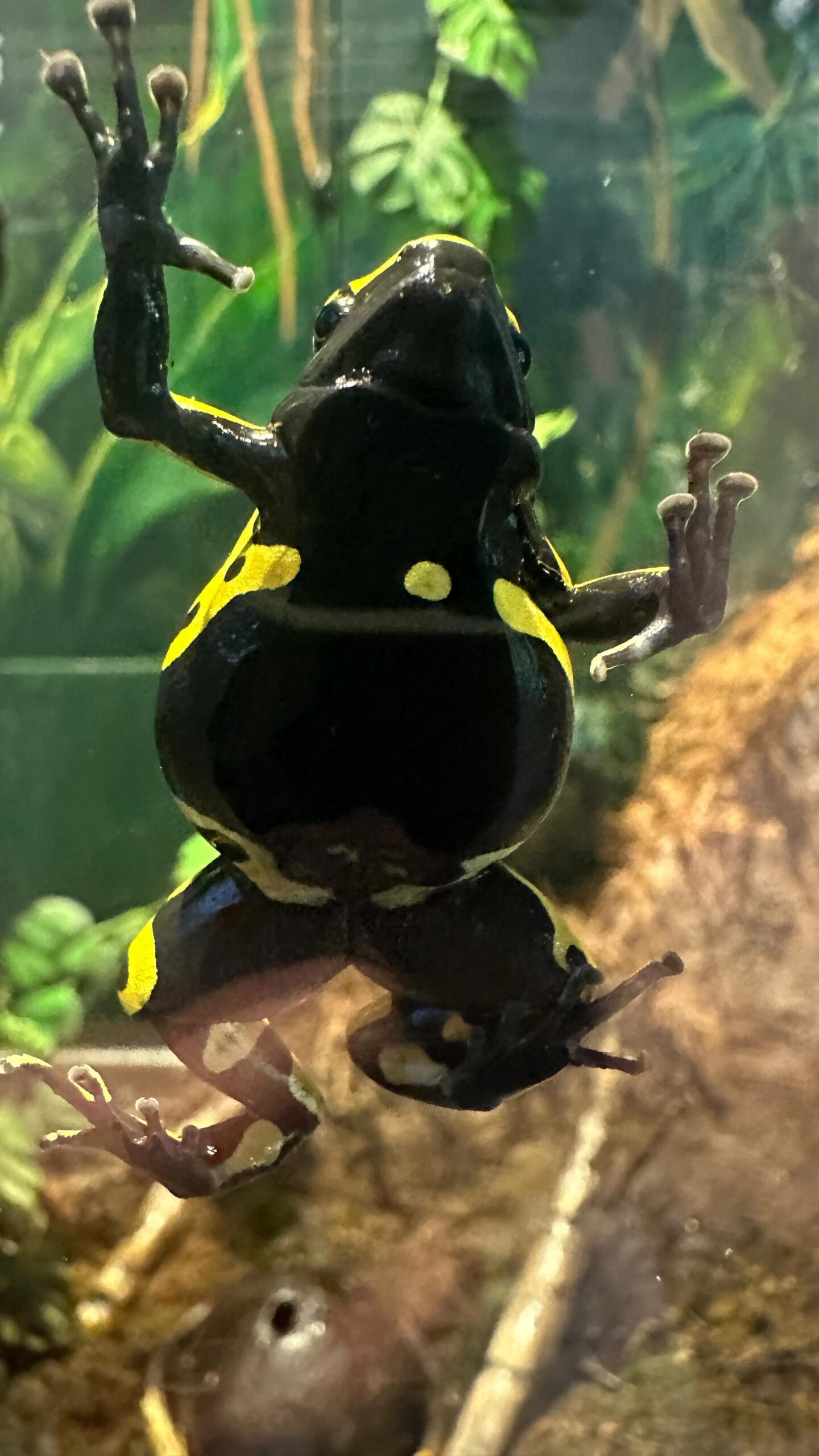
- The fascinating biology of Poison Dart Frogs and their diet-related toxicity.
- The unique habitat requirements and exhibit design for Dart Frogs.
- The role of zoos in wildlife conservation, particularly regarding Dart Frogs.
- The significance of the specific insects that contribute to Dart Frogs’ poisoning.
- The contributions of individuals like Rhett Roback in zoo design and animal care.
Poison Dart Frogs are a captivating subject in zoology. These frogs, belonging to the family Dendrobatidae, showcase brilliant colors and intricate patterns. However, their vibrant exterior masks a notable complexity regarding their toxicity. Interestingly, these frogs do not produce poison on their own. Instead, they acquire toxic compounds through their diet, specifically by consuming particular insects in the wild.
In their natural habitat, Dart Frogs primarily feast on ants, termites, and certain beetles known to possess alkaloids, which are harmful chemical compounds. When these frogs ingest these insects, the toxins they contain are absorbed and then stored in the skin glands of the frogs. As a result, their skin becomes a potent defense mechanism against predators. The neurotoxins can be lethal, deterring many would-be attackers. However, when kept in a controlled environment, such as zoos, Dart Frogs are often fed a diet that does not include these poisonous insects. Consequently, the frogs in our exhibit lack the toxic compounds that make them dangerous. This fascinating aspect of their biology is crucial for zoo visitors to understand, as it highlights the interplay between diet and toxicity in these beautiful creatures.
Creating an optimal habitat for Dart Frogs is essential for their health and teaching visitors about their needs. Dart Frogs thrive in humid, densely vegetated environments. In our new exhibit space, we have ensured they have ample climbing opportunities and places to hide, mimicking their natural surroundings. The exhibit includes various plants and branches, allowing the frogs not just to climb but to engage in natural behaviors.
Rhett Roback, a notable designer, contributed significantly to this exhibit’s planning and construction. His design aimed to create a space that resonates with the frogs’ native habitat, while simultaneously providing educational insights for visitors. The layout promotes visibility, allowing guests to witness the frogs’ vibrant colors in a naturalistic setting. This hands-on experience enables visitors to appreciate these animals and understand their specific habitat needs.
Zoos play a fundamental role in wildlife conservation efforts. Many species of Dart Frogs face significant threats in the wild, primarily due to habitat destruction and climate change. As global environments change, the delicate habitats crucial for Dart Frogs and other species are increasingly at risk. Zoos act as sanctuaries, providing a safe haven for endangered species and conducting significant breeding programs. These efforts can help maintain genetic diversity and bolster populations that have dwindled in the wild.
Educational programs are also vital for raising public awareness about the conservation status of Dart Frogs and their habitats. By informing visitors about the ecological roles of these frogs, zoos can inspire a passion for wildlife conservation. This understanding is critical, as conservation is not only about protecting species but also ensuring that ecosystems remain healthy.
Moreover, the specific insects Dart Frogs rely on in the wild play a crucial role in their lives. The alkaloids found in these insects allow the frogs to develop their toxicity. Without access to these insects, the frogs lose their protective attributes, highlighting the intricate balance of nature. Understanding this relationship can enhance our broader comprehension of ecosystems and biodiversity.
The web of life that supports Dart Frogs extends beyond their immediate environment. Their health reflects the condition of their habitat. Thus, protecting Dart Frogs often involves safeguarding the entire ecosystem of their natural settings. This interconnectedness underlines the importance of conservation initiatives that focus on preserving not just individual species but their habitats as well.
In addition to population preservation, zoos provide research facilities where scientists can study Dart Frogs and their ecological needs. Such research contributes to conservation strategies that can be implemented in the wild. By studying their behavior in captivity, researchers can gain insights into their social dynamics, reproductive habits, and how they interact with their environment. This knowledge can be invaluable in developing effective strategies for rehabilitation and release efforts.
As Dart Frogs become more familiar to zoo visitors, their allure draws attention to pressing environmental issues. The plight of these amphibians often mirrors broader environmental challenges. As climate change prompts shifts in weather patterns, Dart Frogs and their habitats become increasingly vulnerable. Highlighting these issues can foster discussions about sustainability and biodiversity, encouraging visitors to adopt more eco-friendly practices.
The vibrant colors exhibited by Dart Frogs are not just for show. These hues serve an essential purpose. Bright colors can symbolize toxicity, warning potential predators to stay away. This natural adaptation is known as aposematism. Understanding the significance of coloration helps in appreciating the evolutionary strategies that species such as Dart Frogs employ for survival.
Moreover, the diversity within the Dart Frog family is impressive. There are over 180 species of Dart Frogs, with varying colors and patterns. Each species has adapted to its specific environment, resulting in a rich tapestry of biological diversity. This diversity contributes to the overall resilience of ecosystems and can offer valuable insights into ecological health.
Our decision to introduce ten new frogs to our exhibit space was inspired by a desire to enhance our educational, research, and conservation efforts. These frogs are now exploring their new habitat, testing climbing branches, and discovering hiding spots. Observing their habits promotes a greater understanding of these species and heightens visitor engagement with their biology.
In zoo settings, it is essential to mimic the conditions Dart Frogs would encounter in the wild. Frequent misting systems maintain humidity levels, vital for their skin and overall health. The carefully chosen plants in the exhibit provide not just climbing opportunities but also contribute to maintaining humidity. Each element plays a role in creating a thriving environment for these frogs.
Educational initiatives surrounding our Dart Frog exhibit emphasize the significance of amphibian conservation. Interactive displays explain their life cycles, habitats, and the challenges they face in the wild. Such initiatives cater to various audience segments, from education-focussed school groups to families, ensuring a broad outreach. By creating engaging learning experiences, we aim to foster appreciation for not only Dart Frogs but also the larger world of amphibians.
In recent years, amphibian populations worldwide have experienced alarming declines, often referred to as the “amphibian crisis.” Habitat loss, pollution, and climate change have contributed to this troubling trend. By raising awareness, we hope to inspire collective action addressing these threats. Conservation programs focused on protecting amphibians like Dart Frogs are critical for stemming their decline.
In conclusion, Dart Frogs serve as a compelling example of the intricate relationships between species and their environments. Their biology, habitat needs, and conservation status illustrate the delicate balance of ecosystems. Understanding these connections is vital for fostering a culture of respect and responsibility toward our natural world.
Our exhibit celebrates the beauty and importance of Dart Frogs while advocating for conservation efforts. By introducing ten new frogs to our Dart Frog exhibit space, we recognize their role in our ecosystem and commit to educating the public on their plight. By doing so, we hope to inspire future generations to appreciate the wonders of nature and actively participate in its preservation.
*****
Source Description
We recently added 10 new frogs to our Dart Frog exhibit space and they are really enjoying all the things to climb in there. Ethan Hunt, look out! These frogs are on a mission!
Did you know that Poison Dart Frogs are only “poisonous” if they eat certain insects? Poison dart frogs don’t actually make their own poison; they acquire it through their diet. In the wild, they consume specific insects that contain toxins, which are then stored in their skin glands. These toxins are powerful neurotoxins that can be deadly to predators. At the zoo, we don’t feed them those insects, so they don’t have the poison to secrete.
Our Dart Frog exhibit was designed and built by Rhett Roback ‘04.
