
- The significance of condor conservation and the status of the critically endangered California Condor.
- The role of zoological institutions in breeding and hatching condors.
- The intricacies of the condor hatching process, including environmental and biological factors.
- Educational insights from video descriptions on condor hatchings.
- The broader implications and importance of wildlife conservation efforts.
California Condors represent both the triumph and challenge of modern conservation efforts. This majestic species, once on the brink of extinction, highlights the urgency and necessity of preserving biodiversity. Listed as critically endangered, the plight of the California Condor underscores the broader risks facing many wildlife species today. Conservationists have had to employ meticulous strategies to stabilize their population, emphasizing the importance of each hatching event.
Zoological institutions have become pivotal players in the survival of endangered species like the California Condor. They provide a controlled environment where researchers and zookeepers can closely monitor breeding, hatchings, and the health of these birds. In these institutions, scientific knowledge and care converge to facilitate the hatching of condor chicks, which is a key step in sustaining the species’ population. These environments enable the application of research-driven strategies to improve hatch rates and chick survival, directly contributing to conservation goals.
The hatching process of a condor chick is a delicate interplay of environmental, genetic, and behavioral factors. From the precise temperature and humidity levels maintained in incubators to the nutritional needs of the developing chick, every aspect is crucial for success. The hatching itself can take several days, requiring patience and vigilance from caretakers. This highlights the complexity of breeding programs and the dedication required to support each new life.
Videos detailing these hatching moments offer an invaluable resource for education and awareness. They provide a window into the world of these vulnerable birds, allowing the public to appreciate the efforts involved in their care. Through these visual narratives, audiences gain insights into the tangible steps taken to protect and nurture endangered species. Such content also serves to inspire viewers, fostering a deeper connection to conservation efforts and underscoring their significance.
The conservation of the California Condor speaks to broader environmental stewardship and sustainable practices. It acts as a testament to the positive impact that targeted conservation actions can have on a species. Protecting these birds involves habitat preservation, legal protection, and community engagement. This multifaceted approach not only benefits condors but also sets a precedent for preserving other species on the brink of extinction.
In sum, every condor chick hatching is a triumph in wildlife conservation. It symbolizes hope and resilience in the face of environmental challenges. As we continue to witness and support these efforts, the lessons learned extend beyond condors, offering valuable insights into how we can protect the planet’s biodiversity for future generations.
*****
Source Description
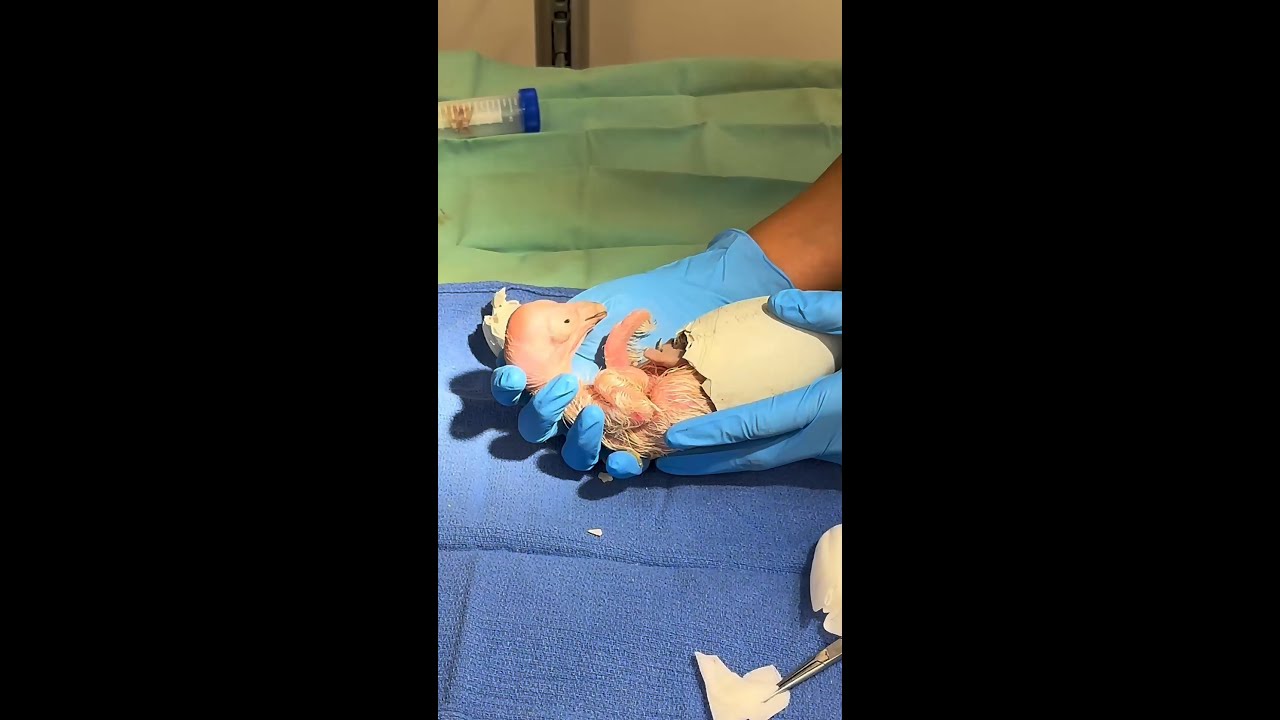
After two months of growing, it’s hatch day for California condor chick LA925! 🐣
Normally, a chick pips—breaks through—its shell on its own, but sometimes a little help is needed. Condors in the wild will assist chicks like this one with the hatching process. These small, critical windows for intervention can mean the difference between life and death. When the condor team noticed LA925 experiencing a challenging pip, the team delicately performed a “manual pip,” creating a tiny hole in the shell to activate the chick’s lungs and kick-start the hatching process.
Condor keeper Rhiann Ogata carefully stepped in to help LA925 complete the hatch. Bit by bit, Rhiann removed pieces of the light blue shell until the chick slipped free: another critically endangered California condor has entered the world.
The team collected umbilical and blood samples to determine the chick’s sex through DNA testing. LA925 was placed in an incubator to warm up, then transferred to a brooder box, where it will spend the next week or so gaining strength before being placed with adult condors for rearing.
Stay tuned for more #LAZooCondorStories updates!
#CaliforniaCondor #Condor
