
- The Importance of Wildlife Conservation: Understanding the Role of Zoos
- Bear Species and Their Habitats: An Overview
- Educational Efforts: Engaging the Public About Wildlife
- Special Events: Celebrating Animals and Promoting Awareness
- Community Involvement: Strengthening Conservation Efforts
Wildlife conservation remains a critical aspect of environment management, and zoos play an important role in this process. Many people perceive zoos primarily as entertainment venues. However, they serve as places of education, research, and conservation. The event “Happy Bear-th Day America!” highlights this multifaceted purpose, shining a light on bear species and their habitats while showing visitors how they can get involved in conservation efforts.
To understand why this event is significant, it’s essential to first grasp the importance of wildlife conservation itself. Animals, including bears, represent a vital part of the biodiversity that keeps ecosystems healthy. Their presence affects everything from vegetation to soil health. Zoos contribute to these conservation efforts by providing facilities for species protection, rehabilitation, and public education. Through in-depth research, zoos gather valuable information that can help guide conservation strategies both in captivity and in the wild.
Specifically focusing on bears, various species inhabit diverse ecosystems across North America. The black bear, for instance, is adaptable and can populate forests, swamps, and even urban areas. In contrast, the grizzly bear typically resides in more rugged terrains, like mountain ranges and forests. The polar bear, which is impacted significantly by climate change, has its habitats in Arctic regions. Each bear species not only has its own ecological role but also faces unique threats, such as habitat loss and climate change. Understanding these differences is crucial for the effective management of bear populations.
The engaging aspect of events like “Happy Bear-th Day America!” is their capacity to educate the public about the importance of various bear species and the challenges they face. Educational programs may include talks from wildlife experts, interactive exhibits, and hands-on activities. These events often emphasize the natural behaviors of bears, their dietary needs, and their roles in their respective ecosystems. By providing this information, zoos can foster a sense of responsibility and spur public interest in conservation.
Special events like “Happy Bear-th Day America!” provide a platform for zoos to celebrate these majestic creatures while promoting awareness about their conservation status. Activities can range from themed crafts to educational presentations, designed to captivate visitors of all ages. Each activity presents an opportunity to communicate critical messages about wildlife preservation and environmental stewardship. By making conservation engaging, zoos can inspire individuals to take an active role in safeguarding wildlife, particularly species such as bears.
Community involvement ranks high on the list of effective conservation strategies. Local populations can contribute significantly to the success of conservation efforts by supporting laws aimed at protecting wildlife habitats or participating in local initiatives like clean-up events in environmental reserves. The outreach programs associated with events like “Happy Bear-th Day America!” allow zoos to build partnerships with schools, organizations, and volunteers, fostering a collective commitment to conservation.
Also relevant to this celebration is the significance of behavioral enrichment for bears in zoos. Many facilities have developed strategies to support the physical and mental well-being of these animals by creating environments that mimic their natural habitats. Enrichment can take many forms, including puzzle feeders, climbing structures, and pools for swimming. These efforts ensure that bears remain stimulated and engaged while providing zoo visitors with an authentic glimpse into their behaviors.
In addition, research conducted by zoos aids in the understanding of bear populations in the wild. For instance, studies on genetics, movement patterns, and feeding behaviors can help inform management practices in both captive and natural settings. Data gathered through radio collar tracking or direct observation enables wildlife biologists to develop tailored conservation strategies, whether that involves habitat restoration or education campaigns targeting specific threats to bear populations.
The synergistic relationship between zoos and conservation organizations plays a pivotal role in fostering large-scale change. Collaborations often lead to initiatives focused on habitat protection, legislation reform, and wildlife rescue operations. Together, these efforts can lead to tangible outcomes, such as increased bear populations in protected areas or improved habitats through targeted restoration projects.
In light of challenges such as climate change and habitat destruction, educating the next generation about wildlife is more crucial than ever. Events like “Happy Bear-th Day America!” offer tailored educational programs designed for schools. Field trips to the zoo can provide a dynamic learning experience, making classroom lessons more engaging. Through hands-on activities, students learn essential lessons about biodiversity, sustainable practices, and their roles in conservation.
To ensure effective engagement, it’s essential for educational programs to use relatable language and hands-on activities. By harnessing multimedia resources, zoos can present creatures in captivating ways. For example, 3D models of bear habitats enable students to explore the complexities of ecosystems. Virtual reality experiences that allow users to “walk with bears” can make the learning process unforgettable.
Furthermore, technological advancements are paving the way for greater involvement in wildlife conservation. Innovative apps and online resources can connect citizens with wildlife data, allowing them to track bear movements or even participate in citizen science initiatives. When people feel connected to wildlife on a personal level, they are more likely to advocate for its preservation.
Bears, as apex predators, hold symbolic significance in many cultures. They are often viewed as symbols of strength and resilience. Therefore, celebrations centered around them can also delve into cultural perspectives regarding wildlife management. Native American communities, for example, hold deep respect for bears, viewing them as powerful spiritual beings. Integrating these cultural narratives into educational programs adds depth and richness to the conversation about bears and their habitats.
In addition to inspiring awe, educational events serve to spread practical knowledge about local wildlife. When communities understand local ecosystems better, they can make informed decisions that contribute positively to conservation efforts. From planting native species in gardens to reducing plastic waste, communities can take actionable steps that correspond to the values of wildlife preservation.
Often, attendees at zoo events may not realize the role they play in conservation efforts. Therefore, personal stories from wildlife biologists and conservationists can create impactful moments. Discussing real-world challenges bears face and the successes achieved through community efforts shows that every individual has the potential to contribute to wildlife conservation, making it an urgent and shared responsibility.
“Happy Bear-th Day America!” does not just serve as an anniversary celebration; it acts as a powerful reminder of the importance of conservation. As various activities unfold, participants are given the tools to transform knowledge into action. The event’s dual focus on education and celebration effectively raises awareness about bear populations and habitat preservation.
Bringing communities together through wildlife events fosters long-lasting relationships among those invested in conservation. Volunteers leave empowered to continue advocating for wildlife in their communities. It’s a reminder that the responsibility of protecting endangered species lies within our collective reach.
Beyond merely enjoying the festivities, individuals have the opportunity to embrace the bigger picture: wildlife conservation is an ongoing challenge that demands community engagement and long-term commitment. The actionable takeaways can include supporting local wildlife organizations, advocating for sustainable practices, or even participating in wildlife monitoring programs.
Understanding the significance of events like “Happy Bear-th Day America!” reveals the vital intersections between zoos, education, conservation, and community involvement. By prioritizing wildlife engagement, we can play a role in preserving not just bear species, but entire ecosystems for future generations. As stewards of the environment, it is imperative to educate, empower, and act in ways that yield meaningful impact in the fight for wildlife conservation.
*****
Source Description
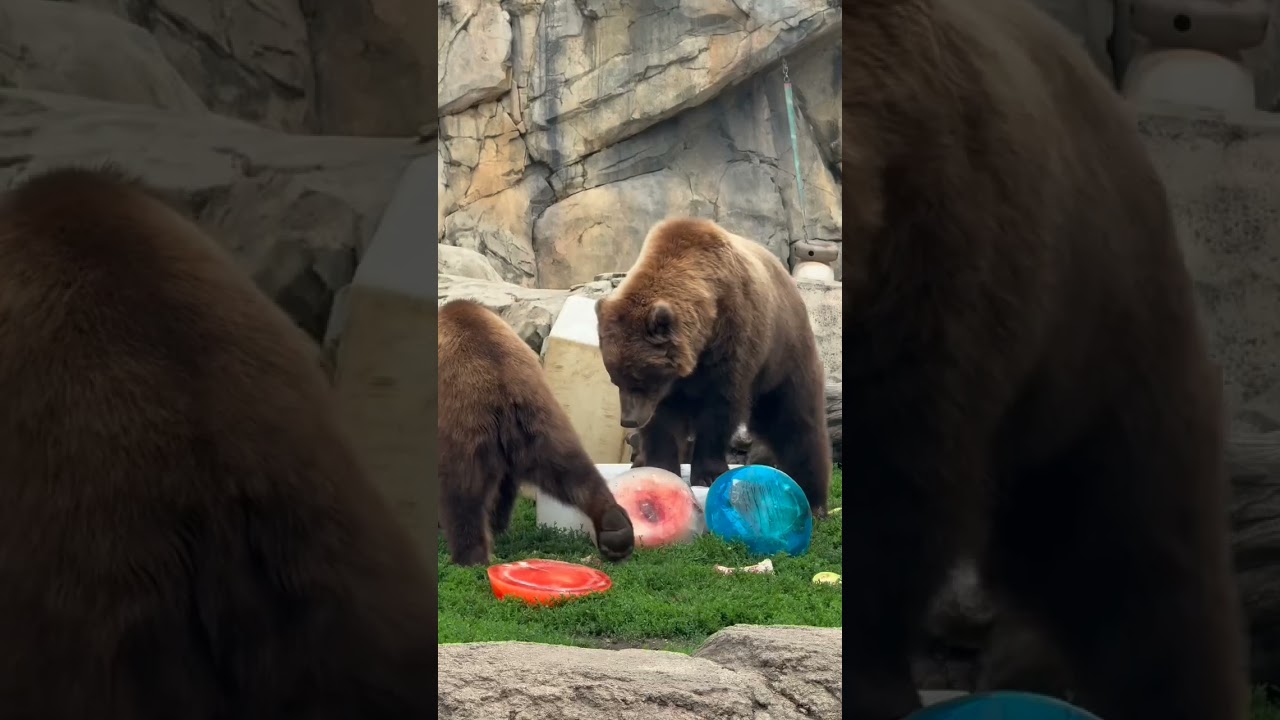
Brown bears Tim and Jess keep cool with holiday themed ice treats.
