
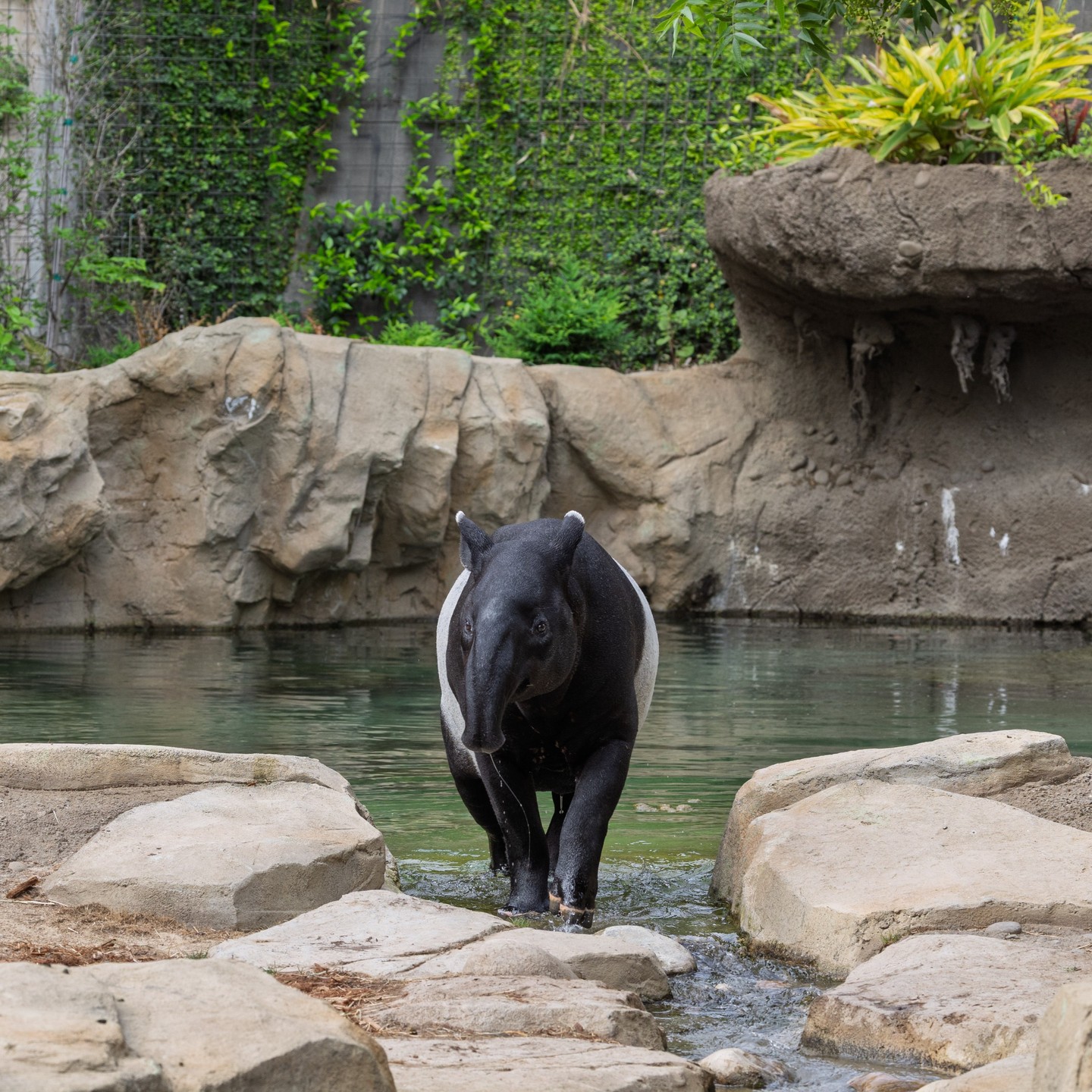
- The biological and physical characteristics of the Malayan tapir
- The natural habitat and geographical distribution of the Malayan tapir
- Threats to the Malayan tapir population and conservation efforts
- The role of the Malayan tapir in its ecosystem
- Educational initiatives and community engagement in tapir conservation
The Malayan tapir, the largest of the four species of tapir, is a fascinating and significant creature in the animal kingdom. Native to Asia, it typically weighs around 720 pounds and can reach lengths of about six feet. This species has distinct physical features, including a predominant black-and-white coloration that plays a role in its survival. These tapirs possess a large, stocky body, a long snout that acts as a prehensile tool for foraging, and short legs with webbed feet, which aid in movement through muddy terrains.
The size and shape of the Malayan tapir enable it to navigate its lush jungle environment. Their skin is thick and coarse, which provides some protection from predators. Although they may appear clumsy, these tapirs are surprisingly agile. Their long, flexible snouts allow them to grasp leaves, fruits, and other plants, making them effective herbivores. This capability is crucial to their diet, as they primarily rely on a variety of vegetation.
Natural habitats for the Malayan tapir are typically found in dense tropical rainforests, swamps, and riverine areas across Southeast Asia, including countries such as Malaysia, Thailand, Indonesia, and Myanmar. Due to their thick skin and short legs, these tapirs are well adapted to both terrestrial and semiaquatic environments. They are often found near bodies of water where they can cool down and find forage. Tapirs are known to create wallows in muddy areas, which help regulate body temperature and protect their skin from insects.
As the only tapir species located in Asia, the Malayan tapir is particularly vulnerable to habitat loss and degradation. Urban development, logging, and agricultural expansion continue to encroach upon their natural environments. In addition to habitat destruction, poaching poses a significant threat to their survival. They are often targeted for their meat and skin, leading to declining populations.
Conservation efforts are critical for the survival of the Malayan tapir. Organizations focused on wildlife conservation work tirelessly on multiple fronts, from protecting existing habitats to enforcing anti-poaching laws. Furthermore, breeding programs are being established in various zoos across the globe. These initiatives aim not only to increase population numbers but also to raise public awareness about the challenges facing these majestic creatures.
The Malayan tapir also plays an important role in its ecosystem. As a herbivore, it contributes to the growth and regeneration of plant life. By consuming large amounts of foliage, these tapirs help maintain vegetation diversity. Their foraging behaviors promote seed dispersal, which is essential for ecosystem health. Thus, protecting the Malayan tapir indirectly benefits a multitude of other species that share its habitat.
Community engagement plays a vital role in conservation strategies. Education initiatives aimed at local populations help foster a deeper understanding of the Malayan tapir’s ecological importance. Workshops and outreach programs not only aim to inform but also encourage sustainable practices that benefit both the communities and the local wildlife. By involving local stakeholders, the efforts to conserve the Malayan tapir can be more effective and lasting.
The conservation landscape for the Malayan tapir underscores a broader reality for many species facing similar threats. As urbanization continues to expand, the delicate balance of ecosystems can easily be disrupted. Public awareness and action are needed now more than ever. By supporting wildlife organizations and advocating for better land management policies, individuals can contribute to the preservation of the natural world.
The protective legislation surrounding the Malayan tapir varies by region. Internationally, the species is listed as endangered on the IUCN Red List, highlighting the need for urgent action. National parks and reserves have been established in some areas to provide designated habitats where tapirs can live relatively undisturbed. However, these protected areas must be effectively managed and monitored to be successful.
Research is also an essential component of Malayan tapir conservation. Ongoing studies focus on their behavior, genetics, and reproductive biology, which inform breeding programs and habitat restoration efforts. The collection of data on their population dynamics helps stakeholders develop strategies that address conservation challenges.
Zoos and aquariums that house Malayan tapirs also play a crucial role in conservation. These institutions often participate in global breeding programs and contribute to research efforts aimed at understanding these creatures better. Educational programs in zoos not only expose the public to the Malayan tapir but also instill a sense of responsibility toward wildlife conservation.
The Malayan tapir’s social structure is generally solitary, although they may form small groups during mating seasons. They typically mate every two to three years, with gestation lasting about 13 months. Offspring are born with a coat of stripes and spots, which provide camouflage against predators. As they mature, they gradually lose this pattern, becoming the more uniform black and white adults.
Breeding programs in captivity seek to replicate the natural mating cycles of the Malayan tapir. Animals that are genetically compatible are identified to maximize genetic diversity. The success of these programs can have profound implications for the future of the species, particularly as wild populations continue to face numerous threats.
Public participation can significantly enhance conservation efforts. Events such as “Tapir Day” invite community members to learn about the species and celebrate its unique qualities. Educators often share information about the threats they face and what individuals can do to help. Engaging the next generation in such initiatives fosters a sense of stewardship for wildlife and the environment.
Economic incentives can also promote the protection of the Malayan tapir. Eco-tourism opportunities centered around wildlife observation can provide financial benefits to local communities, encouraging them to safeguard the living landscapes where tapirs reside. By aligning economic interests with environmental objectives, a more sustainable approach to land use can emerge.
Maintaining genetic diversity within populations is vital for the Malayan tapir’s long-term survival. Genetic bottleneck events can severely limit the adaptability of a species. Conservationists aim to avoid these scenarios through carefully planned breeding strategies. This is supplemented by wildlife corridors that connect fragmented habitats, allowing for the natural movement of animals.
The Malayan tapir’s plight serves as a reminder of the fragility of ecosystems and the interconnectedness of all species. While the challenges are considerable, the blend of scientific research, community engagement, and dedicated conservation efforts can foster hope for the future. The survival of the Malayan tapir is not just important for the species itself; it represents the need for a holistic approach to wildlife conservation that considers the health of entire ecosystems.
As we deepen our understanding of the Malayan tapir, we recognize the inherent value of protecting it, not only as a unique species but as an integral component of our shared natural heritage. Active participation in conservation can make a measurable difference. Every action, no matter how small, contributes to a larger goal of sustainability and environmental justice, ensuring that the Malayan tapir remains a vital part of Asia’s biodiversity for generations to come.
*****
Source Description
The Malayan tapir is the largest of the four species of tapir, and it’s the only one located in Asia. They can weigh around 720lbs and grow 6 feet long.
