
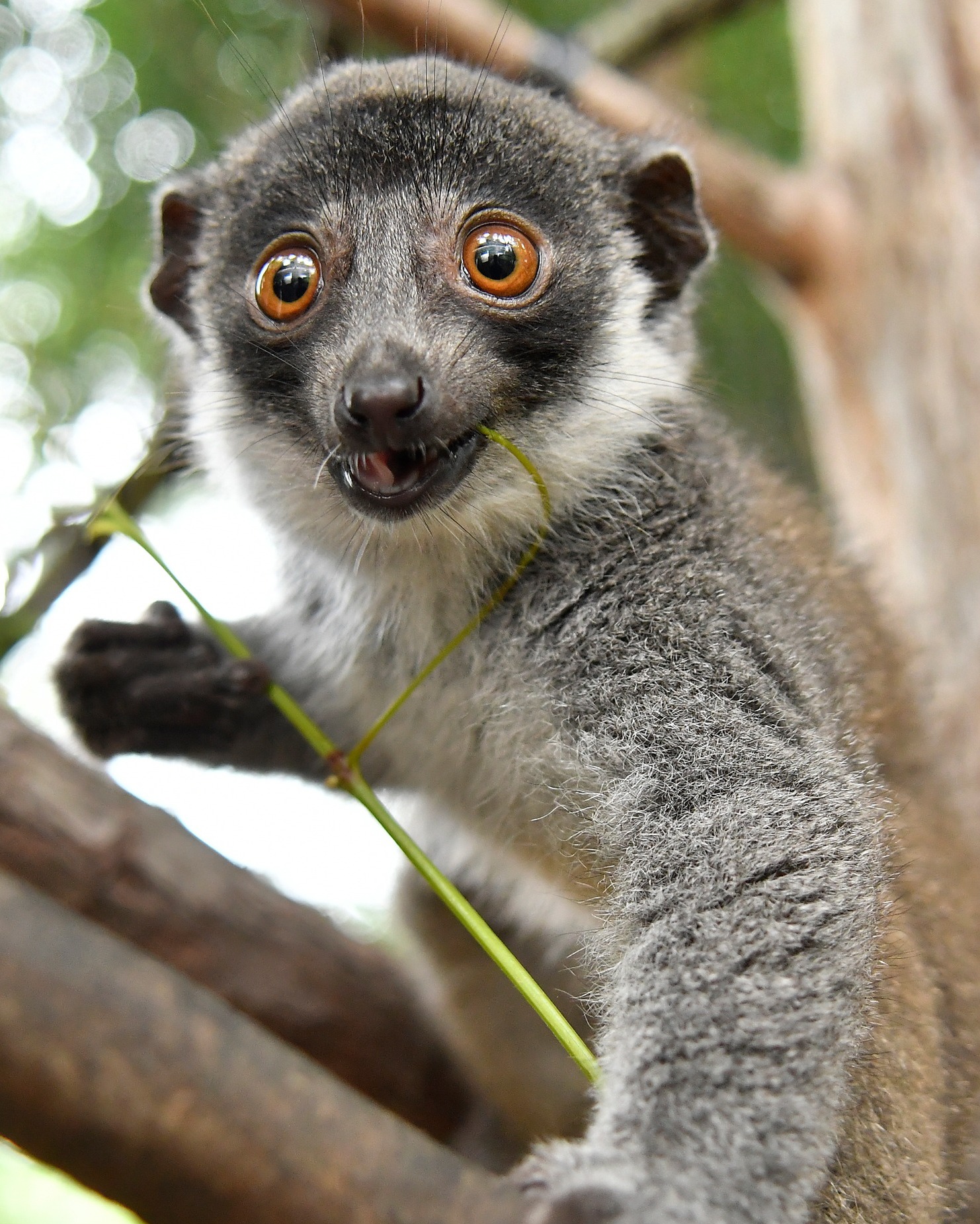
- The significance of Mongoose Lemurs in conservation efforts.
- Insights into the life and habits of lemurs, with a focus on Bonita and her infant.
- The role of the Duke Lemur Center in promoting lemur research and education.
- How symbolic adoptions work and their impact on conservation efforts.
- How you can contribute to the care of lemurs and preservation of their habitat.
Mongoose lemurs, especially adorable infants like Bonita’s three-month-old, play a crucial role in ongoing conservation efforts. These creatures are native to Madagascar and are one of the most endangered groups of mammals globally. The decline of their habitat is primarily due to deforestation and human activity, making educational initiatives and species preservation strategies more urgent. Bonita’s infant not only absorbs attention through her playful antics but also serves a larger purpose in conservation awareness. Each time visitors are captivated by this little lemur, they learn more about the challenges faced by her species.
Bonita is a first-time mother, showcasing behaviors typical in lemur parental care. Females often take the lead in nurturing their young, while males provide support in their own way. In this case, Juanito, being a patient father, assists in the care and stability needed for the infant’s growth and development. Observing a mother-lemur bond can be enlightening for guests, as it highlights the natural tendencies of parental duty within animal kingdoms. It’s important to note that lemur infants are born with their eyes closed, and as they grow, they develop the ability to climb and explore their environment, often using their parents as playful trampolines.
At the Duke Lemur Center (DLC), research and education go hand in hand. The DLC is a leading institution for the care and study of lemurs, conducting essential research into their behavior, genetics, and ecology. Their work has contributed significantly to our understanding of lemurs and the environmental challenges they face. Visitors to the center can participate in educational programs that inform them about Madagascar’s biodiversity, the importance of conserving lemurs, and the benefits of ecosystem preservation. Events featuring Bonita and her infant have been highlights of the summer tour path, aiming to enhance visitors’ understanding of the species and the diligent work involved in wildlife protection.
Symbolic adoptions serve a dual purpose. Donations allow individuals or organizations to contribute financially while making a personal connection to a specific animal. In Bonita’s case, a tax-deductible donation of $20,000 grants an opportunity to symbolically adopt and name the infant. This not only helps in covering the costs associated with her care but also contributes to the overall welfare of the DLC’s lemur colony. Each adoption includes quarterly email updates filled with photos and videos, offering an engaging way for donors to follow the infant’s growth. Furthermore, adopters receive an exclusive visit to the DLC, which offers a firsthand experience of the remarkable world of lemurs.
Contributions through symbolic adoptions directly aid conservation efforts. The money raised supports essential veterinary care, habitat preservation, and educational outreach programs. The reality is that every dollar counts in the fight against extinction. Mongoose lemurs, like many species, face threats from habitat loss. The funds from adoptions can be funneled into projects specifically aimed at reforestation and community education in Madagascar, emphasizing sustainable practices that benefit both the local populace and lemurs.
Engagement does not stop at financial contributions. Individuals can take part in various programs offered by the DLC. These include volunteering opportunities, educational classes, and outreach initiatives that raise awareness about the importance of biodiversity and conservation. Through these experiences, participants gain hands-on knowledge, fostering a deeper appreciation for wildlife and the steps necessary to protect it.
It’s essential to understand the critical situation facing wildlife today. The Mongoose Lemur is classified as endangered, highlighting the urgency for action. By becoming involved with organizations like the Duke Lemur Center, individuals can actively partake in efforts to secure a future for endangered species. Conservation is a shared responsibility, and everyone can play a role. Visits to facilities like the DLC not only enrich personal experiences but also contribute to broader conservation goals.
Learning about lemurs, particularly through interactive experiences such as tours featuring Bonita and her infant, can inspire a sense of advocacy. Visitors leave with an awareness of the ecological interdependencies present in the environments where lemurs thrive. The knowledge gained can spark discussions, encourage standing initiatives for wildlife protection, and cultivate a desire in others to get involved in conservation work.
The connection between humans and wildlife is increasingly crucial in today’s ecology. Species like the mongoose lemur exemplify the delicate balance of ecosystems. Each individual animal has a role that contributes to the overall health of their environment. Understanding these relationships is vital for comprehensive conservation strategies. Educational institutions and conservation organizations must continue to promote knowledge-sharing to foster further community engagement.
In summary, the story of Bonita and her three-month-old infant illuminates the responsibility we have towards wildlife conservation. The opportunity to symbolically adopt a lemur serves both as a personal connection to a remarkable creature and as a contribution to broader ecological efforts. Each action taken towards promoting awareness and conservation safeguards the future of species under threat. The Duke Lemur Center’s initiatives present ways for the public to engage with and support the care of lemurs and their habitats, ultimately creating a positive impact on the survival of these captivating animals.
By fostering a connection through educational programming and adoptions, the DLC is paving the way for a healthier planet where wildlife can thrive alongside human populations. Engaging in this cause is critical; it empowers individuals to participate in restorative actions for the environment. For everyone interested in wildlife stewardship, the experience of watching Bonita and her playful infant provides a heartwarming entry point into the world of lemur conservation.
*****
Source Description
Starting Monday right with the DLC’s littlest mongoose lemur 😍
➡️ lemur.duke.edu/ultimate
Mongoose lemur Bonita’s three-month-old infant has been the superstar of our summer tour path! Whether she’s bouncing off the walls, using her parents as a trampoline, or creating beautiful finger paintings, this little girl has stolen the hearts of our staff, volunteers, and guests. Shoutout to Bonita (4th photo) for being such an incredible first-time mama and Juanito for being a very patient papa 🥰
Bonita’s infant still doesn’t have a name—and YOU could be the one to name her! With a tax-deductible donation of $20,000, you (or your family, company, organization, etc.) can *symbolically* adopt and name this little lemur. Your donation contributes to the care of the infant, her family, and all of the other lemurs who reside in our colony, as well as the conservation of the most endangered group of mammals in the world. Adoptions include quarterly email updates, complete with social media-worthy photos and videos, and a visit to the DLC to meet your adopted infant. Visit our website to learn more, or email us directly at adoptalemur@duke.edu if you’re ready to make a contribution! 💙
📸: David Haring
