
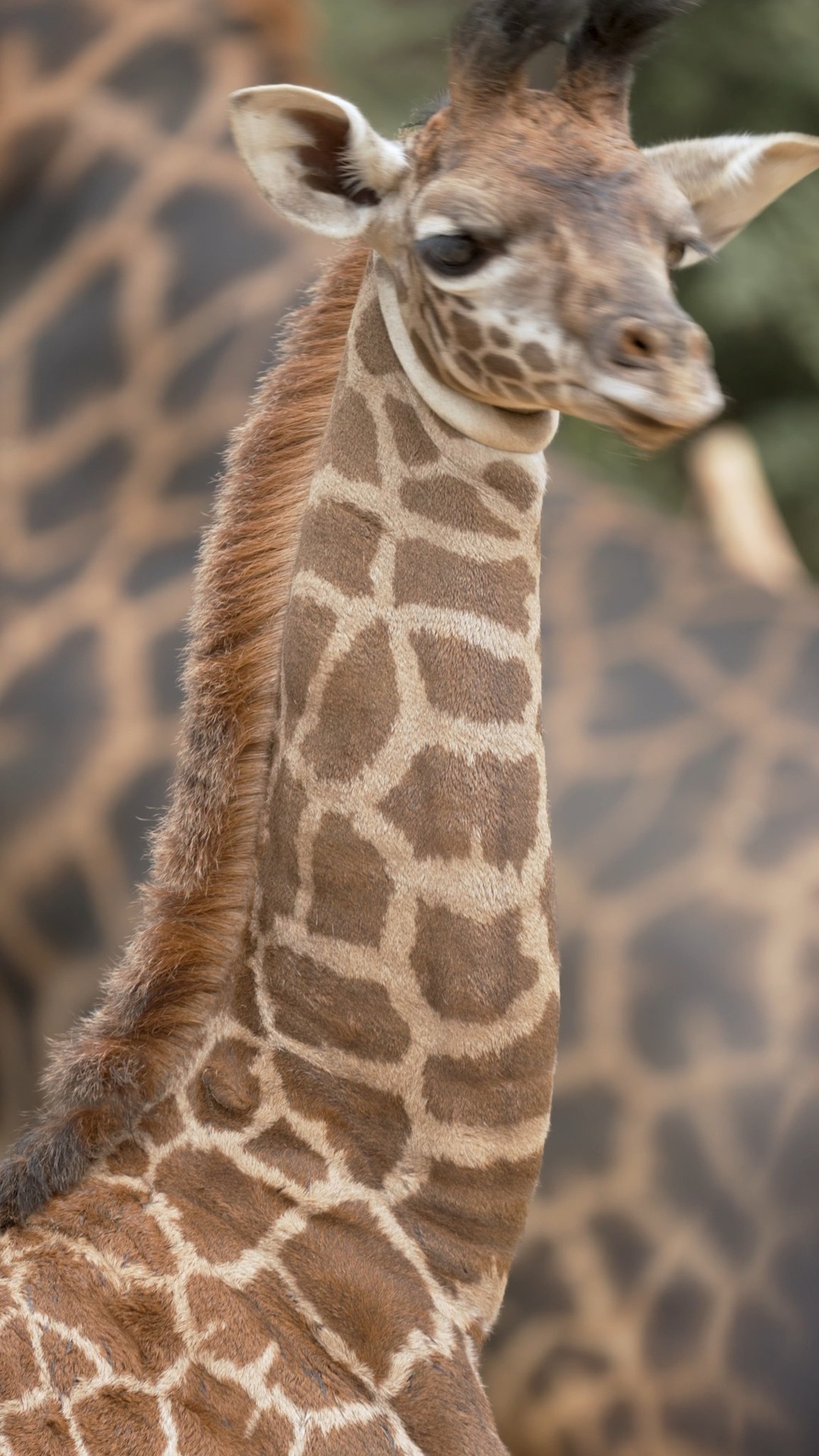
- The significance of the new Masai giraffe calf at the San Diego Zoo
- Insights into giraffe biology and behavior
- The role of zoos in wildlife conservation
- The importance of public engagement in animal care and conservation
- Strategies for preserving giraffe habitats in the wild
The San Diego Zoo made headlines this Fourth of July by welcoming an exuberant new Masai giraffe calf. Standing nearly 7 feet tall and weighing just shy of 200 pounds, this calf is already a notable presence. As visitors gather to witness this event, they also have the opportunity to observe the developing bond between the calf and its mother, Saba. This joyful occasion highlights both the beauty of giraffes and the significant role that modern zoos play in conservation and education.
Giraffes, particularly the Masai giraffe, are fascinating animals. They are the tallest land mammals, with long necks that can reach lengths of up to 6 feet. This unique physical trait allows them to browse on leaves high in trees, a diet primarily composed of acacia foliage. Their long necks are supported by a special arrangement of cervical vertebrae; although they have the same number of neck vertebrae as humans (seven), each vertebra is considerably elongated. This adaptation also affects their cardiovascular system, with strong hearts to pump blood efficiently to their elevated heads.
When giraffes are born, they start their lives in an extraordinary manner. A calf typically arrives after a gestation period of about 15 months. Upon birth, the calf can stand within hours and begins to walk shortly after. The first few weeks are vital for establishing connections with the mother and the rest of the group, known as a tower. Masai giraffes are social creatures, often forming loose groups that can change composition frequently. The bond between mother and calf is one of the most crucial, fostering a sense of safety and learning in the early developmental stages.
Zoos like the San Diego Zoo contribute significantly to conservation efforts focused on giraffes, which face various threats in their natural habitats. Factors such as habitat loss due to agricultural expansion, poaching, and climate change have resulted in a dramatic decline in giraffe populations over the past few decades. An estimated 40% drop in populations has been observed across Africa since 1999, making these majestic creatures vulnerable. Conservation programs within zoos educate the public about these challenges and provide financial support for field projects dedicated to habitat preservation and species protection.
Public engagement is essential in successful wildlife conservation strategies, and new additions like the giraffe calf facilitate this interaction. The excitement surrounding such births garners attention and raises awareness about conservation issues. Visitors are not just given a chance to observe the calves; they also learn about the critical efforts being made to save their wild counterparts. Educational programs on-site can include encounters with animal care staff and presentations about the ecological roles that these animals play in their native environments.
Wildlife care teams at zoos are equipped with a wide range of skills and knowledge to ensure the well-being of animals. The San Diego Zoo’s wildlife care team, for instance, provides specialized training in animal behavior, diet, and habitat management. They observe the interactions between the new calf and its mother closely, making adjustments to care plans as necessary.
Giraffes have highly specialized dietary needs shaped by their natural habitats. In the wild, they consume not just leaves but also flowers, fruits, and bark from a variety of plants. In captivity, it is crucial to provide a balanced diet that replicates these conditions as closely as possible. This includes fresh browse, hay, grains, and specially formulated vitamins and minerals. The San Diego Zoo’s care team customizes diets to support healthy growth and development during a giraffe’s early life stages.
In addition to diet, behavioral enrichment is a key focus for wildlife care teams in zoos. Masai giraffes are curious and intelligent animals that thrive when presented with challenges. Enrichment activities can involve puzzle feeders, new scents, and even interactive toys designed to stimulate their mental and physical health. This approach mirrors their natural behaviors, encouraging exploration and social interaction.
Community involvement serves as a cornerstone of conservation efforts. Programs aimed at raising awareness not only allow zoos to relay important messages but also empower the public to partake in conservation initiatives. Children learning about giraffes can become lifelong advocates, influencing their families and communities to support wildlife preservation. Efforts to educate the next generation about the importance of biodiversity and eco-friendly practices create more informed citizens who prioritize environmental stewardship.
Giraffes’ unique social structures can be direct examples used in educational programs. They exhibit interesting social dynamics, often engaging in necking behavior—gentle sparring used to establish dominance within the tower. Observing these interactions can serve as a practical lesson about social hierarchies in the animal kingdom, fostering discussions about cooperation, competition, and the balance of ecosystems.
Moreover, attention to giraffes and their kin sheds light on broader ecological issues. The decline of giraffe populations can be viewed as a red flag for various environmental problems impacting other wildlife. Efforts to protect giraffes often result in increased care for their habitats, which also benefits many other species sharing the same ecosystem. For example, the preservation of acacia trees not only provides food for giraffes but also supports myriad birds and insects reliant on the same environment.
International cooperation is fundamental in addressing the threats giraffes face. Emerging partnerships across countries and continents can empower local communities to become guardians of their wildlife. Organizations often collaborate on strategies ranging from anti-poaching patrols to sustainable land-use practices that help mitigate habitat loss. Education initiatives that promote community pride about their natural heritage can lead to a grassroots movement for conservation.
In the coming years, as conservation scientists work to monitor giraffe populations, zoos will maintain their significant role. Domestically and internationally, they are crucial recall centers for breeding programs designed to secure genetic diversity. The Masai giraffe calf at the San Diego Zoo not only represents hope for its species but also for a collective effort aimed at rewriting the narrative of giraffe conservation. Observing healthy populations in zoos allows stakeholders to consider possible reintroduction efforts into the wild when conditions improve.
Conservation and sociocultural factors frequently intersect. Local communities in regions inhabited by giraffes often find themselves caught between conservation and agriculture or urban development. Initiatives that introduce sustainable practices can foster amicable relationships while nurturing the ecosystems needed for wildlife survival. Encouraging the growth of eco-tourism can also create economic opportunities for locals while channeling revenue back into conservation projects.
Monitoring and research are indispensable components of giraffe conservation strategies. Various organizations employ aerial surveys and camera traps to gather data on demographics, habitat use, and behavioral patterns of giraffes. Such assessments inform management strategies and provide essential knowledge for conservationists. By incorporating modern technology and local expertise, scientists can devise targeted plans that yield measurable results.
The San Diego Zoo exemplifies how modern zoos create a blend of entertainment, education, and conservation activism. The arrival of a new Masai giraffe calf is not merely an event to celebrate but an opportunity to galvanize community support for conservation initiatives. People leave the zoo with a better understanding of not just giraffes, but the myriad challenges facing wildlife in our rapidly altering world.
In summary, the excitement surrounding the new giraffe calf at the San Diego Zoo serves as a crucial reminder of the role zoos play in wildlife conservation. Engaging the public in educational programs fosters greater awareness about the challenges many species face and can motivate individuals to take action. The preservation of giraffes and their habitats requires the collective efforts of communities, scientists, and wildlife care professionals, all working towards a common goal of sustainability. The journey begins with every giraffe calf, providing an opportunity to amplify their message of conservation and coexistence.
*****
Source Description
There’s a new tall boy in town 🦒
The fireworks started early this Fourth of July when the San Diego Zoo wildlife care team welcomed a spunky new Masai giraffe calf. The not so little guy already stands nearly 7 feet tall and is weighing in just under 200 pounds, and is growing every day. Guests can watch as he builds his bond with mama Saba and gets to know the rest of the tower.
