
- The importance of varied exercise in zoo animals to mimic natural behaviors and promote well-being.
- Understanding the physiology and biodiversity of leg structure in different animal species.
- The role of zoos in wildlife conservation through physical enrichment and health monitoring.
- Addressing challenges and ethical considerations in zoo management related to animal exercise and welfare.
- Highlighting successful case studies in conservation programs and their impact on animal populations.
Engaging with the dynamic world of zoo management requires a comprehensive approach to exercise and physical enrichment for animals. Leg day every day 🦵 is not just a catchy phrase; it represents a vital aspect of animal care that addresses both physical and psychological health. By dissecting the intricate details of this practice, we can better appreciate the role it plays in zoology, conservation, and the overall well-being of animals.
Exercise is crucial for zoo animals to replicate natural behaviors that they would typically engage in the wild. In many species, the structure and health of the legs are fundamental to survival, whether it’s for escaping predators, foraging for food, or engaging in mating rituals. By ensuring animals have daily opportunities to move and stretch these vital muscles, zookeepers can promote improved health, reduce stress, and cultivate an enriched life within captivity.
In the animal kingdom, leg structure varies widely, reflecting the fascinating diversity of life on Earth. From the robust legs of elephants to the elegant limbs of flamingos, each species has evolved specific adaptations that aid in survival. Understanding this diversity requires examining the anatomy and physiology unique to each animal, recognizing how leg morphology affects behavior, movement, and habitat interaction. This knowledge allows zoos to create tailored environments that cater to the specific needs of each species, providing them with the best possible care.
Zoos play a pivotal role in wildlife conservation, not only by breeding endangered species but also by providing physical enrichment through exercise routines that mimic wild habitats. By monitoring health and behavior closely, zoos can offer insights into the benefits of regular leg exercise and its impact on longevity and quality of life. Programs that focus on animal movement and physical health are vital in educating the public about the importance of species conservation and the efforts zoos make to simulate natural living conditions.
Challenges in engaging animals in regular exercise are not uncommon in zoo management. Ensuring that animals are motivated and interested in these activities means offering dynamic and imaginative solutions that are ethically sound. Creativity in designing habitats and exercise programs with elements of novelty helps maintain animal interest and participation, thereby fostering an environment that promotes overall well-being.
Successful case studies from various conservation programs highlight the effectiveness of engaging animals in meaningful physical activity. Many zoos have implemented enrichment strategies that have resulted in observable benefits, such as improved physical condition, reduced stereotypic behaviors, and increased reproductive success. These initiatives demonstrate the lasting impact of exercise on animal health and the comprehensive role zoos play in conservation efforts.
Leg day every day 🦵 is more than just a physiological necessity; it’s a reflection of a broader commitment to animal welfare, biodiversity, and conservation. Through thoughtful consideration of physical enrichment and dedicated management, zoos can continue to be at the forefront of preserving our planet’s rich array of species. This approach not only benefits the animals under human care but also strengthens the connection between people and wildlife conservation efforts.
*****
Source Description
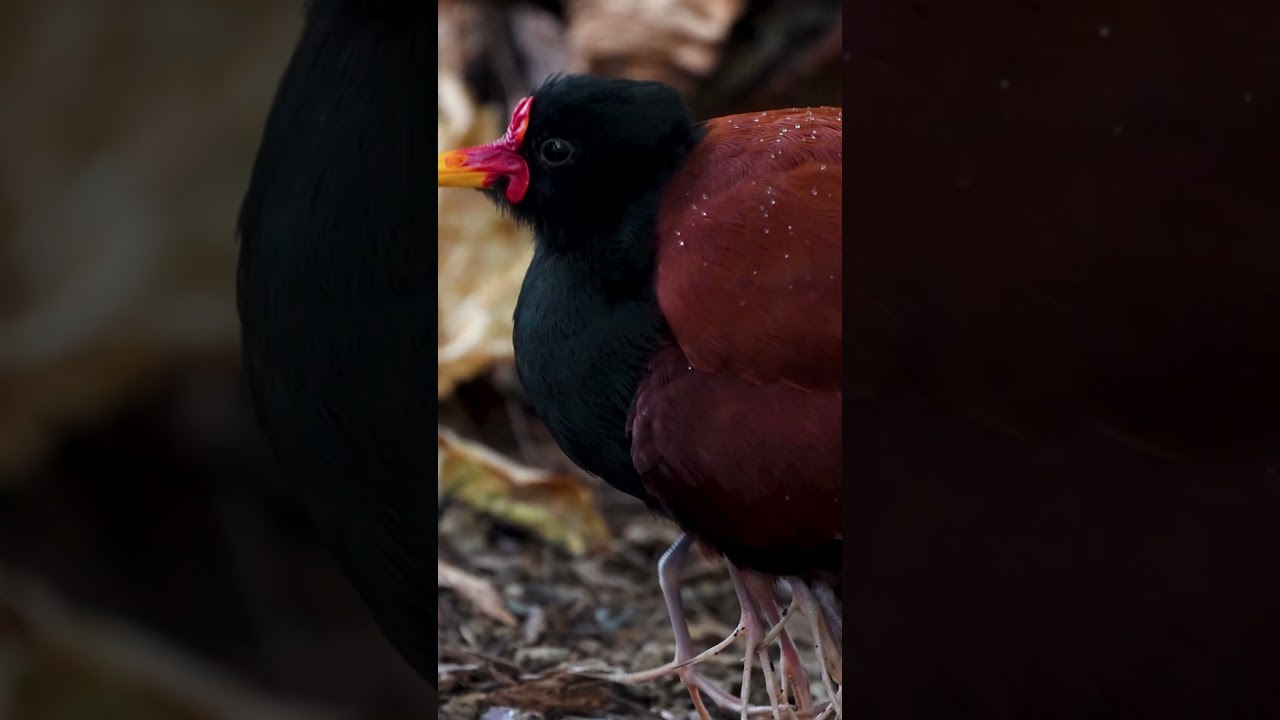
Male wattled jacanas, aka the super dads of the bird world, are well-known for their unorthodox parenting methods. After mom lays her eggs, male jacanas takeover the nest sitting duties until the chicks hatch, but the job doesn’t end there. If dad perceives a threat, he will gather all the littles up under his wings to carry them to safety until the danger passes.
Facebook – https://www.facebook.com/SanDiegoZoo/
Instagram – https://www.instagram.com/sandiegozoo/
Twitter – https://twitter.com/sandiegozoo
Giphy – https://giphy.com/sandiegozoo
TikTok – https://www.tiktok.com/@sandiegozoo
Twitch – https://www.twitch.tv/sandiegozoo
