
- The biology and habitat of alligators.
- The perception of cuteness in reptiles, specifically alligators.
- Conservation efforts for alligators and their habitats.
- The role of alligators in ecosystems and their importance.
- Facts and myths surrounding alligators.
Alligators belong to a group of reptiles known as Crocodylia and are primarily found in freshwater environments, swamps, rivers, and lakes. The American alligator (Alligator mississippiensis) is perhaps the most recognized species in the United States, primarily residing in the southeastern states. In contrast, the Chinese alligator (Alligator sinensis) is much smaller and found in eastern China. Understanding their biology is crucial to appreciating these reptiles.
Alligators have a fascinating anatomy. They possess a powerful jaw structure, featuring approximately 80 teeth that play a vital role in their feeding habits. Their bodies are covered in tough, scaly skin, which serves both a protective function and aids in camouflage. These reptiles can reach lengths of up to 19 feet and weigh over 1,000 pounds. Baby alligators, which usually hatch at around 8 inches, exhibit behaviors that some may find cute, such as their small size and playful movements in the water.
Habitat is key to an alligator’s survival. They thrive in warm, humid environments. The swamps of Florida and Louisiana are ideal regions, providing them with ample prey, such as fish, birds, and small mammals. Here, the temperature influences their basking behavior and nest-building habits. Female alligators create nests out of vegetation to incubate their eggs, showcasing a nurturing side that can change perceptions of these otherwise intimidating animals.
Cuteness is a subjective concept, often shaped by human perception. In the reptile kingdom, what qualifies as cute can vary widely. Baby alligators, with their tiny snouts and big eyes, can evoke feelings of affection in many people. This perception might stem from evolutionary traits defined as ‘neotenic,’ where juvenile features such as large eyes or smaller bodies are retained into adulthood. Some conservationists argue that highlighting these endearing aspects may be beneficial in fostering public interest and support for alligator conservation efforts.
The role of alligators extends beyond their perceived cuteness. They are apex predators, meaning they have no natural predators aside from humans. This status allows them to regulate prey populations, maintaining the health of their ecosystem. By controlling the numbers of fish and other aquatic animals, they help ensure a balanced environment. They also contribute to habitat creation, as their nesting behavior allows for nutrient cycling that supports various plant and animal species.
Despite their vital ecological role, many misconceptions surround alligators. Factors contributing to negative perceptions include their association with aggression and their fearsome appearance. Common myths, such as alligators being invulnerable and bent solely on attacking humans, are exaggerated. Alligators tend to avoid human interaction and will flee if given the chance. Understanding these facts helps foster better relationships between humans and alligators, essential for conservation.
Conservation initiatives aimed at protecting alligators are crucial due to habitat loss and climate change. Wetland areas are increasingly threatened by urban development, pollution, and changing climate patterns. Organizations dedicated to alligator and habitat preservation focus on education, policy advocacy, and creating protected areas. By incorporating local communities in these efforts, they promote awareness and responsible interactions with wildlife.
In environmental education, the perception of alligators plays a significant role in conservation messaging. Programs that highlight their importance and educate the public on how to coexist with them can cultivate a more positive image. Exhibits in zoos often feature informative displays that aim to correct misconceptions. By fostering admiration rather than fear, these establishments inspire conservation support.
Current scientific research continues to enhance understanding of alligators’ behavior and physiology. Studies on their social structures reveal surprising complexity. Though often viewed as solitary creatures, alligators have been observed participating in social interactions, particularly during breeding season. This finding challenges traditional notions and emphasizes the need for continued exploration into their social dynamics.
Captive breeding programs aim to bolster populations of endangered species, such as the Chinese alligator. These programs focus on maintaining genetic diversity and reintroducing individuals back into their natural environments. Alongside public education, such efforts highlight the importance of alligators within their habitats and provide a source of pride for local communities.
While the perception of alligators may shift, their ecological function remains unchanged. They serve as indicators of environmental health, often acting as the barometer for the condition of their habitats. The decline or recovery of alligator populations often reflects broader environmental challenges or improvements.
In the discourse surrounding wildlife conservation, it is essential to confront the assumptions people hold about animals. Perceptions of cuteness shouldn’t detract from the serious issues alligators face. Education campaigns that correctly present the realities of their biological and ecological significance can enhance understanding. Emphasizing facts over fears will promote a balanced view of alligators, allowing people to appreciate these creatures for their dual roles in ecosystems: as both endearing and formidable.
Exploring the elements of alligator life reveals much about the interconnectedness of species and habitats. Their existence contributes to biodiversity, and maintaining their populations is critical for environmental sustainability. The stories of positive human-alligator interaction—including successful relocation of nuisance gators instead of extermination—show that coexistence is a viable option.
Comprehensive knowledge of alligators extends beyond mere fascination. Balancing the cute characteristics of young alligators with an understanding of their powerful adult forms is necessary for a full appreciation of their role in nature. With every growing sign of climate change, the message becomes increasingly urgent: alligators need our protection, not just out of sympathy, but out of respect for the roles they play in their ecosystems.
Through education and informed dialogue, people can appreciate alligators beyond their predatory reputation or their fleeting perceptions of cuteness. Promoting conservation will not only ensure these fascinating creatures continue to thrive but also protect the delicate environments that depend on them. Such efforts ultimately reflect a collective responsibility to care for the planet and recognize the intrinsic value of all living beings.
Working together for alligator conservation allows for a richer understanding of the complex interrelations within ecosystems. Education is the bedrock of these initiatives. Everyone, from local community members to global citizens, can take part in this endeavor. By shifting the conversation from fear to fascination, appreciation for alligators can flourish, paving the way for sustainable coexistence that respects and protects our toothy friends in nature’s balance.
*****
Source Description
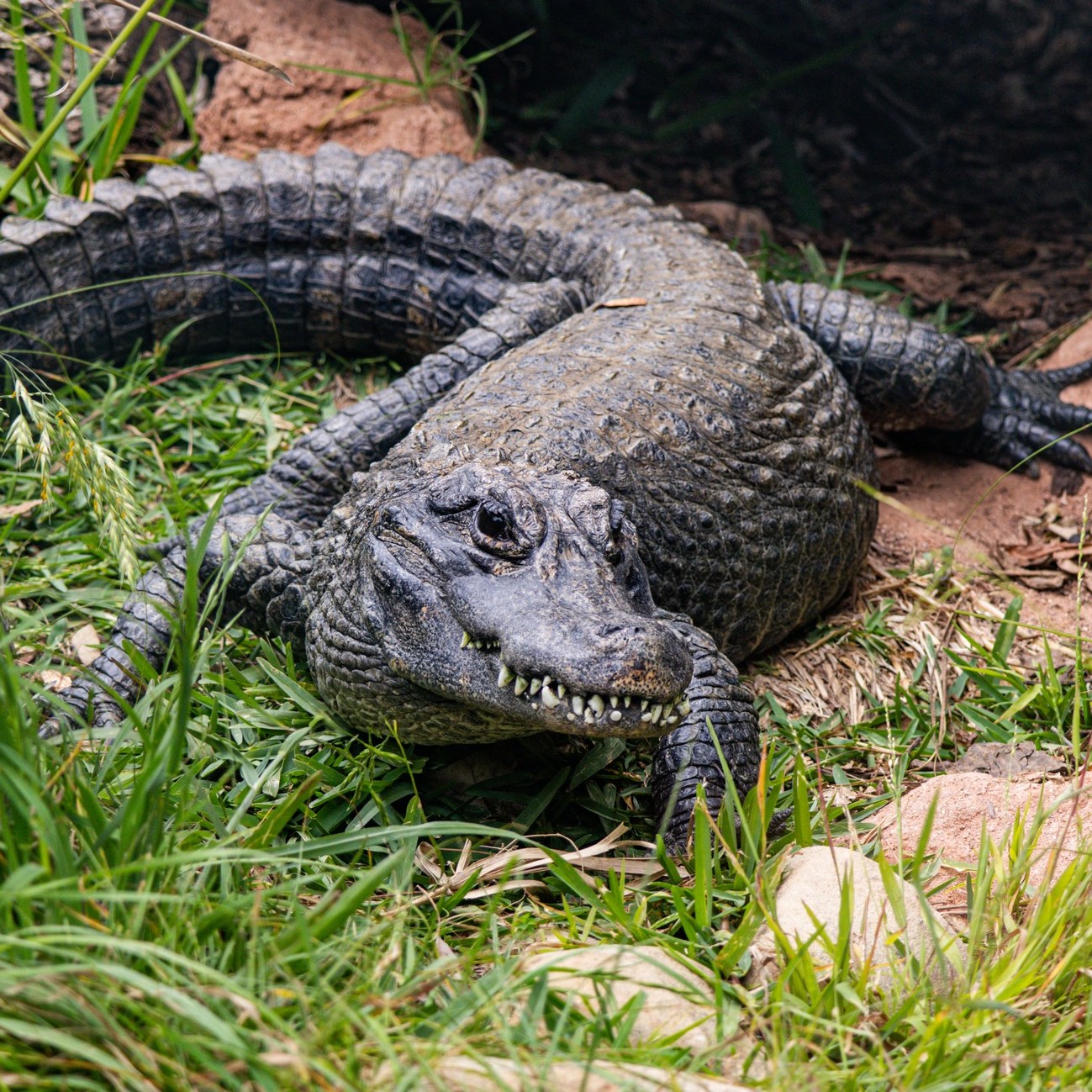
Hey chat, can alligators be cute too? Asking for a toothy friend… 🥰🐊
Alt-text: Xiao the Chinese alligator smiles for the camera as she crawls out of her cozy gator den.
