
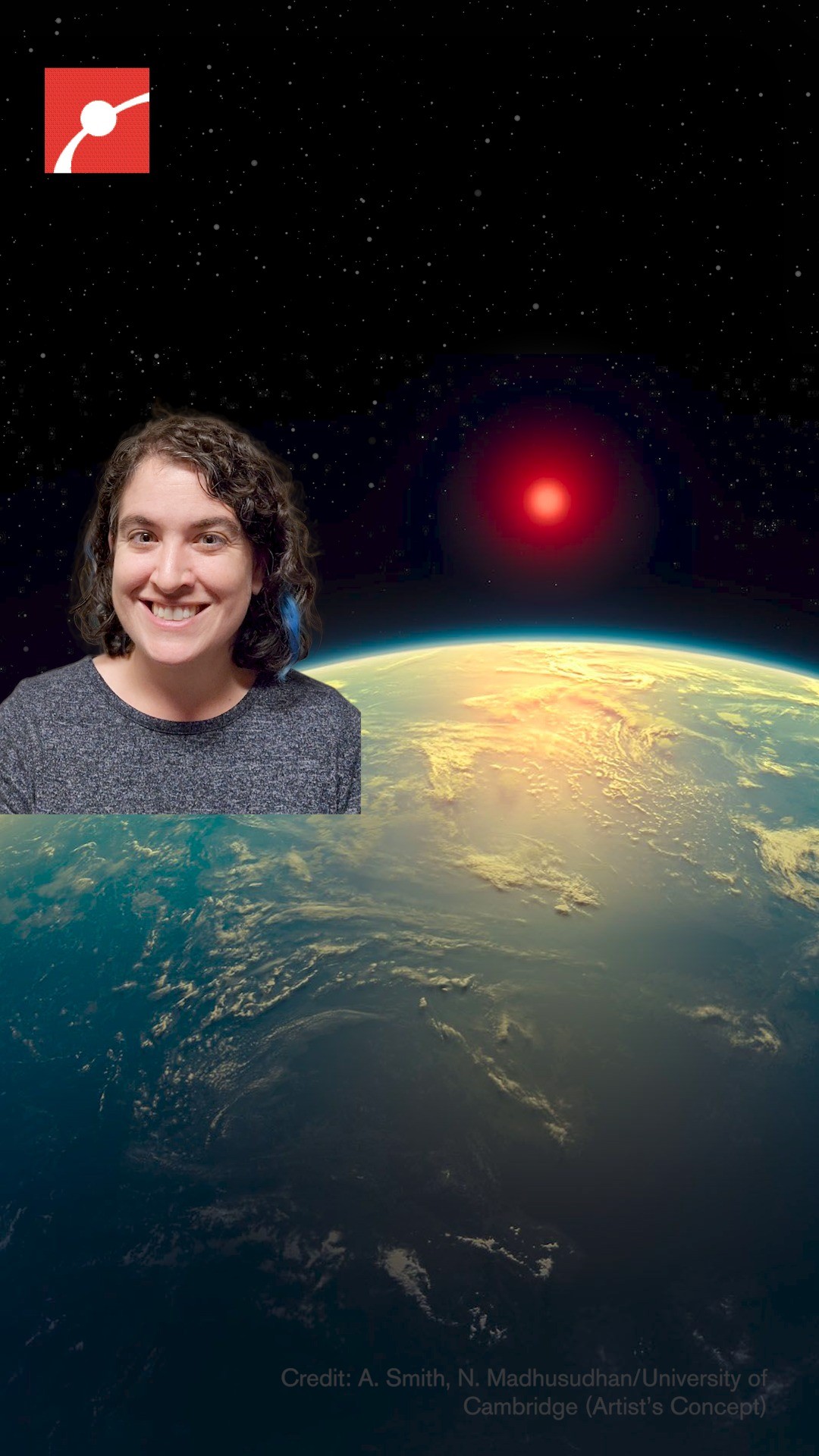
- Detection of dimethyl sulfide in the atmosphere of K2-18b
- Importance of dimethyl sulfide as a potential biosignature
- Overview of exoplanet K2-18b and its characteristics
- Significance of the James Webb Space Telescope in astrobiology
- Broader implications for the search for extraterrestrial life
The detection of dimethyl sulfide (DMS) in the atmosphere of exoplanet K2-18b has sparked significant interest within the scientific community. DMS is a compound that, on Earth, is primarily produced by marine phytoplankton. This intriguing finding raises profound questions about the potential for life beyond our home planet. The presence of such a gas might suggest biological activity; however, its origins can also be purely atmospheric processes. This article navigates through the landscape of this discovery and its implications for the search for extraterrestrial life.
Dimethyl sulfide is a sulfur compound that plays a critical role in the Earth’s climate system and the sulfur cycle. In marine ecosystems, DMS is mostly produced by phytoplankton, which utilize sunlight and nutrients to grow and reproduce. The gas eventually enters the atmosphere, where it undergoes oxidation to form sulfate aerosols, influencing cloud formation and climate patterns. The presence of DMS on K2-18b may suggest the existence of similar biological processes, although we must be cautious in our interpretation.
K2-18b is an exoplanet located approximately 124 light-years away in the constellation Leo. It orbits its parent star, a red dwarf designated as K2-18, and lies within the habitable zone where conditions might allow for liquid water. Scientific interest in this planet has surged, especially with the advent of advanced observational technologies, including the James Webb Space Telescope (JWST). K2-18b is classified as a sub-Neptune, a type of exoplanet that is larger than Earth but smaller than Neptune. This classification indicates a potentially thick atmosphere, which could support the detection of various gases, including DMS.
The James Webb Space Telescope has made revolutionary advancements in astronomical observations. Launched in December 2021, JWST is equipped with sensitive instruments that allow it to analyze the atmospheres of distant exoplanets. Through spectroscopy, JWST can detect specific wavelengths of light absorbed or emitted by different molecules in a planet’s atmosphere, making it a powerful tool for the continued exploration of astrobiology. The instruments aboard JWST have revolutionized our understanding of exoplanet atmospheres, offering much more accurate data than previous telescopes.
The implications of detecting dimethyl sulfide are profound. If this compound is indeed a product of biological activity, it could suggest that K2-18b harbors life forms, even if only microbial. The possibility of extraterrestrial life encourages scientists to investigate further. However, before jumping to conclusions, researchers must also consider abiotic processes that could lead to the formation of DMS. Studying these alternative pathways is essential to fully comprehend the atmospheric chemistry of K2-18b.
Understanding the habits and characteristics of exoplanets like K2-18b may also inspire future exploration missions. Current technology aims to deepen our knowledge concerning the atmospheric conditions, surface composition, and potential habitability of these distant worlds. Missions designed for atmospheric studies may incorporate landers, orbiters, and even sample return scenarios, propelling our capacity to assess biological signals from outer space.
This particular discovery is a part of a larger movement in astrobiology seeking to identify biosignatures—indicators that point toward the presence of life. The potential detection of DMS emphasizes the need for interdisciplinary collaboration among climate scientists, astronomers, and biologists. By sharing insights and findings, the scientific community can create a more comprehensive understanding of life’s potential beyond Earth.
Beyond K2-18b, the search for life elsewhere in the universe continues with exoplanets within the habitable zone of their respective stars. Efforts are underway to identify candidates that exhibit similar characteristics. By analyzing the atmospheric compositions and physical properties of these celestial bodies, researchers aim to build a catalog of potentially habitable worlds. Global initiatives focus on developing future telescopes and technologies that can support this exploration.
Looking at K2-18b specifically, the presence of water vapor detected in its atmosphere alongside the suspected presence of DMS creates a tantalizing scenario. Liquid water is often seen as a necessary ingredient for life as we know it. The combination of water and potential biosignatures like DMS makes K2-18b a prime target for further investigation. Future studies and missions may focus on characterizing these elements extensively.
The search for extraterrestrial life is not just a scientific endeavor; it has social and philosophical ramifications. Humanity’s quest to find life beyond Earth raises important questions about our existence. If life is discovered on another planet, what implications would that have for our understanding of biology, evolution, and even our place in the universe? Exploring exoplanets like K2-18b pushes the boundaries of human knowledge and inspires future generations to consider the wider cosmos.
Furthermore, the technological advancements achieved while investigating K2-18b and other exoplanets contribute to various fields. Innovations developed for space exploration often find applications within Earth-based technologies. The engines of curiosity fuel improvements in instrumentation, data analysis techniques, and observational strategies. This cross-pollination of ideas has far-reaching effects.
The ongoing exploration of exoplanets not only shapes our understanding of potential habitats for life but also promotes a sense of stewardship for Earth. Learning about distant worlds can provoke reflection on the challenges faced by our own planet. As we study atmospheric changes on distant exoplanets, we also gain insights into climate dynamics here at home. This enhances the urgency to protect our environment and mitigate human-caused changes.
In summary, the detection of dimethyl sulfide in the atmosphere of K2-18b presents an invaluable opportunity for scientists. This finding, combined with the advancements of the James Webb Space Telescope, offers a new lens through which we can examine the possibility of life beyond Earth. While cautious interpretation is necessary, the implications of this research drive further exploration.
The future of exoplanet study is bright, much like the stars that dot our galaxy. As technology continues to develop and our understanding of astrobiology deepens, the potential to unravel the secrets of distant worlds draws closer. The quest for life on other planets propels humanity forward, encouraging critical thinking and innovative approaches to cosmic exploration. Each piece of data serves not only as a scientific discovery but also as a reminder of our shared responsibility to nurture life, wherever it exists.
*****
Source Description
Did @NASAWebb detect signs of life on another planet? 🌌
A strange gas in the atmosphere of exoplanet K2-18b has scientists intrigued. It’s dimethyl sulfide—a compound produced by plankton here on Earth. Could it be a sign of life beyond our planet or just an atmospheric mystery?
