
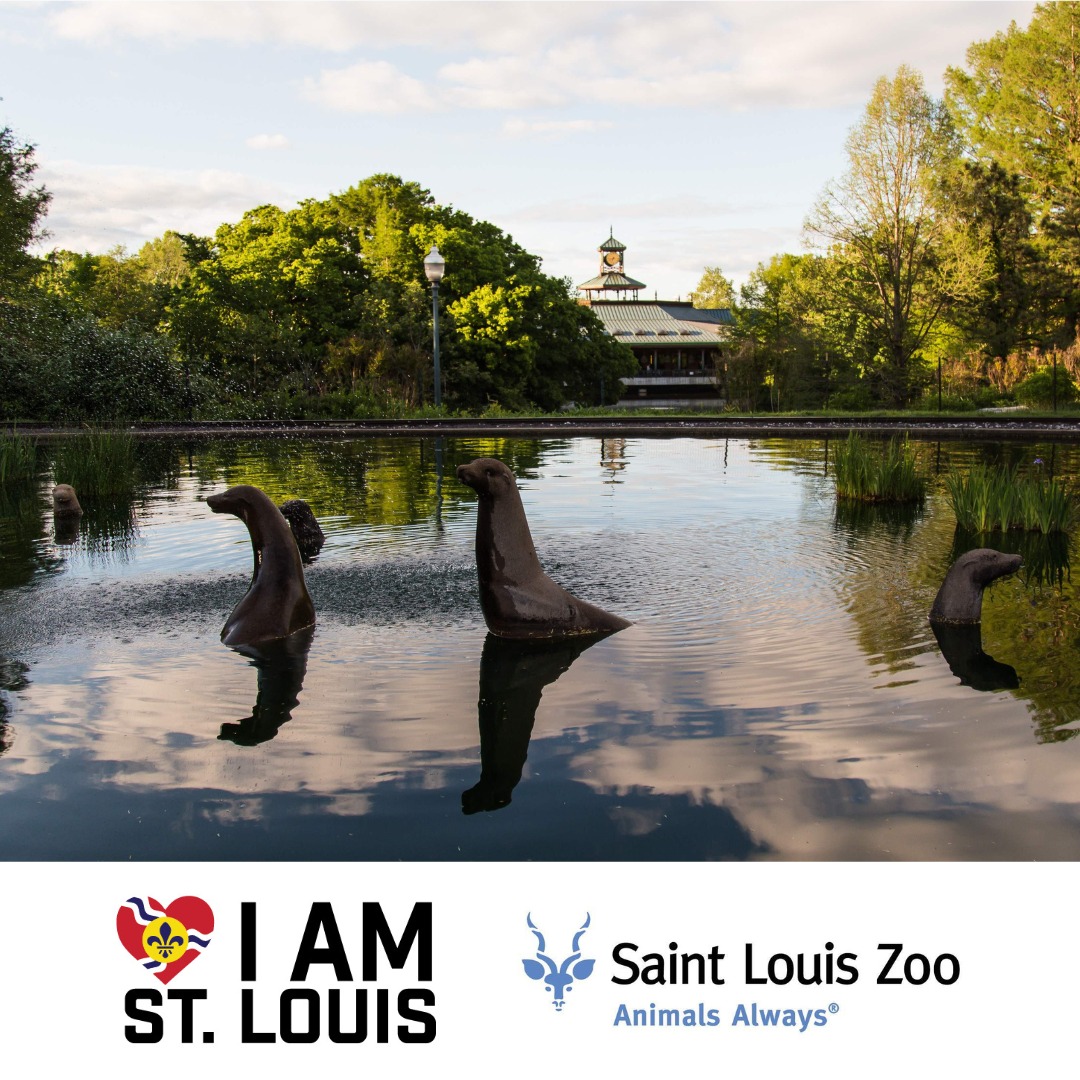
- The Saint Louis Zoo: A Brief History and Overview
- Wildlife Diversity: Species and Habitats at the Zoo
- Education and Conservation Initiatives
- Community Engagement and Accessibility
- Future Directions and Innovations in Zoo Management
The Saint Louis Zoo is not just a destination for family outings or a class field trip; it is a significant institution dedicated to education, conservation, and public engagement. Established in 1910, the zoo has evolved into one of the leading zoological parks in the United States. With over 12,000 animals representing nearly 450 species, it offers visitors a unique opportunity to connect with the natural world. The zoo operates on a model that prioritizes conservation both locally and globally, reinforcing its commitment to preserving wildlife and ecosystems. Crucially, admission remains free every day, making this resource accessible to all members of the community.
The history of the Saint Louis Zoo is a testament to its growth as a vital educational and conservation hub. Initially part of the 1904 World’s Fair, the zoo has continually expanded its facilities and programs. Over the decades, it has become renowned for its leadership in animal husbandry and conservation initiatives. Insights into animal behavior, veterinary medicine, and best practices in habitat management underscore the zoo’s commitment to excellence.
Wildlife diversity is at the core of the Saint Louis Zoo’s mission. Visitors can explore various exhibits that replicate natural habitats featuring animals from Africa, Asia, North America, and beyond. Each species is housed in environments that closely resemble their natural ecosystems, which is essential for their well-being and behavioral expression. The zoo has exemplary collections of mammals, birds, reptiles, and amphibians, showcasing the complexity of biodiversity.
For instance, the Penguin & Puffin Coast immerses guests in the chilly habitats of these birds, while the River’s Edge exhibit captivates with its array of aquatic species. This attention to detail not only enhances the visitor experience but also aids in educating the public about the animals and their roles in their ecosystems. By showcasing these animals, the Saint Louis Zoo advocates for wildlife conservation and ecological preservation, reminding visitors of their connection to the broader environment.
Education is a cornerstone of the Saint Louis Zoo’s mission. The institution offers a variety of programs aimed at promoting wildlife conservation and environmental stewardship. Educational opportunities range from guided tours and lectures to hands-on activities for children and families. School groups can participate in specialized programs that align with science curricula, making the zoo a dynamic classroom for young learners.
The zoo also engages in extensive research efforts that contribute to global conservation initiatives. Collaborations with leading universities and conservation organizations provide opportunities for scientists and students to study animal behavior, genetics, and habitat preservation methods. By promoting a scientific understanding of wildlife, the Saint Louis Zoo plays a crucial role in fostering a culture of conservation awareness in the community.
Community engagement is a vital aspect of the zoo’s outreach. As a local treasure, the Saint Louis Zoo hosts numerous events and programs designed to bring families together. These include seasonal celebrations, educational workshops, and volunteer opportunities. The zoo prioritizes inclusivity, ensuring that families from all walks of life can participate in its programs.
Moreover, the Saint Louis Zoo actively partners with local schools and community organizations to facilitate educational outreach. By bringing conservation education into classrooms and community centers, the zoo addresses pressing environmental issues and promotes sustainable practices. This proactive approach helps cultivate a generation that is aware of and dedicated to preserving wildlife and their habitats.
Accessibility is of utmost importance at the Saint Louis Zoo. It is committed to providing environments where all visitors can experience the wonders of wildlife. Facilities are designed to accommodate guests of varying abilities, ensuring everyone can enjoy the various exhibits and programs. The zoo’s leadership recognizes that economic barriers can hinder access to such educational destinations; therefore, offering free admission daily reaffirms its dedication to inclusivity.
Looking ahead, the Saint Louis Zoo embraces innovation in zoo management and animal care. The introduction of newer technology and data analytics will allow for the improved monitoring of animal health and behaviors. This real-time feedback data contributes significantly to enhancing the overall standards of animal welfare. It also guides decision-making processes when it comes to habitat design and environmental enrichment.
Additionally, the Saint Louis Zoo remains focused on conservation initiatives that address the threats facing wildlife today, such as habitat loss, climate change, and poaching. Efforts to expand breeding programs for endangered species demonstrate the zoo’s commitment to preserving biodiversity. Collaborations with international conservation groups ensure that the zoo is part of larger global efforts to mitigate these critical issues.
As a treasured part of St. Louis culture, the zoo carries immense significance for the community. It is a place where generations come to discover the natural world, fostering an appreciation for wildlife among visitors of all ages. The sense of joy and wonder experienced during a visit often transcends mere entertainment; it becomes a doorway to learning about the delicate balance of ecosystems and the importance of conservation.
In summary, the Saint Louis Zoo embodies a rich tradition of education, conservation, and community engagement. As families embark on field trips and outings, they immerse themselves in an experience that is both enjoyable and enlightening. Its expansive collection of animals and robust educational programs foster connections between humans and wildlife, promoting a shared responsibility toward protecting the planet.
The zoo’s continued dedication to conservation ensures that it remains a leader in the field of zoological management. By blending education with entertainment, the Saint Louis Zoo offers a compelling narrative of the intricate relationships within the animal kingdom and the importance of preserving these connections for the future. It serves not just as a park, but as a vital institution in St. Louis, eager to inspire guests to appreciate and protect the natural world.
*****
Source Description
I am your class field trip, your family outing and a treasured St. Louis tradition.
I am home to 12,000 animals, representing nearly 450 species.
I am a place where generations come to discover and connect with the natural world.
I am conservation – locally and globally.
I am free for all, every day.
I am the Saint Louis Zoo.
I am St. Louis.
@mohistorymuseum
