
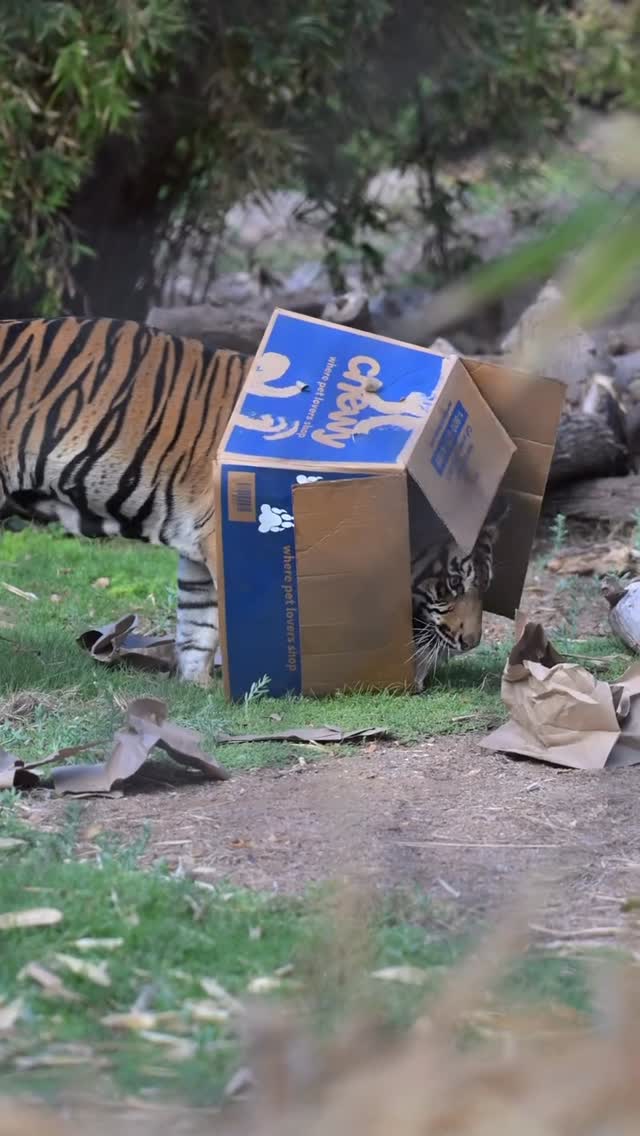
- Understanding the behavior of tigers with catnip.
- The impact of enrichment activities on tiger health and well-being.
- Conservation efforts related to tiger habitats and the importance of awareness.
- The role of social media in promoting wildlife education and conservation.
- The responsibility of institutions like zoos in animal care and public education.
The playful behavior of tigers can fascinate anyone, especially when they engage in activities like having “catnip zoomies.” Although catnip is often associated with domestic cats, it also elicits similar behaviors in big cats such as tigers. When tigers like Joanne exhibit heightened energy levels and playful antics, it provides insights into their mental stimulation and social behaviors.
Understanding how tigers respond to catnip is critical for zookeepers and wildlife enthusiasts. Catnip, scientifically known as Nepeta cataria, contains a compound called nepetalactone. This substance affects some cats by stimulating their sensory neurons, leading to increased excitement, playfulness, and acute behaviors often characterized as “zoomies.” For animals like Joanne, those moments of exuberance can appear quite similar to that of smaller house cats. This not only highlights the physiological similarities across species but also reminds us how enrichment activities can play vital roles in the health and behavior of these majestic predators.
Tigers are naturally active animals, accustomed to roaming vast distances in the wild. In captivity, they often can’t express their full range of behaviors due to space limitations. This makes enrichment all the more essential. Providing tigers with items like boxes, toys, and, of course, catnip, allows them to engage their instincts. Boredom can lead to undesirable behaviors such as pacing and aggression. Thus, engaging them with enriching activities is crucial. Enrichment comes in many forms, from cognitive challenges to physical activities, and catnip serves as an excellent tool to achieve both. The addition of simple items can transform a tiger’s environment, allowing for spontaneous play and exploration.
Social media platforms, where video clips of animals quickly go viral, also play a pivotal role in wildlife education. Over ten million views on Joanne’s engaging catnip moment are indicative of the public’s appetite for animal content. Such reach serves as a powerful tool for spreading awareness about animal behavior, conservation efforts, and the day-to-day tasks that caretakers perform at zoos. When people witness moments like Joanne’s, they become more curious about tigers and the challenges they face in their natural habitats. It fosters a sense of connection, prompting viewers to learn more about these magnificent creatures and their plight.
Conservation efforts are inherently intertwined with education. Tigers are designated as an endangered species, largely due to habitat loss, poaching, and human-wildlife conflict. By creating engaging content, zoos can highlight both the joys and challenges of tiger conservation. Educating the public fosters empathy and inspires action, whether through donations or support for advocacy initiatives. Organizations can mobilize communities around protective measures for these animals and their environments.
Modern zoos serve as more than just exhibition spaces; they are centers for conservation, research, and education. Each animal, like Joanne, plays a role in these initiatives. Zookeepers are trained to understand animal behavior and the factors that influence it. The provision of enrichment, such as catnip, is not simply an afterthought. It is part of a comprehensive approach to health care and behavioral enrichment. By ensuring that tigers engage in activities that stimulate both their minds and bodies, zoo professionals improve overall animal welfare.
Zoos also often collaborate with external organizations to enhance conservation efforts. For example, partnerships with organizations like Chewy, which provided Joanne with new enrichment items, enable zoos to improve animal habitats and raise necessary funds for conservation programs. This partnership amplifies the message that animal welfare and environmental stewardship are interconnected. By engaging the public in meaningful content through social media, they increase awareness of these issues.
Moreover, the use of social media platforms enables a broad audience to witness firsthand how animals are cared for and how they interact with enrichment tools. The unboxing video featuring Joanne’s new catnip toys, for example, invites viewers not only to engage with the content but also to develop an appreciation for the behind-the-scenes work that caretakers perform. The transparency offered by these platforms enhances public trust and understanding of zoos.
Given that tigers have complex social behaviors, observing them during playful moments can provide insight into their communication styles and group dynamics. In the wild, tigers often remain solitary but will have interactions for mating or rearing cubs. These moments of playfulness can serve as vital practice for younger tigers honing their hunting and social skills. In captivity, these interactions can take on new significance, allowing for social bonds to form among animals that would otherwise be solitary.
The effects of catnip on tigers are currently under-researched. More studies could elucidate the physiological and behavioral outcomes of such enriched environments. Given the similarities in how both big and house cats respond to catnip, further investigation could deepen our understanding of feline behavior as a whole. It is imperative to continue research on how these stimuli can be harnessed to enhance captive environments for tigers and other big cats.
As we observe the mischief of Joanne and others like her enjoying catnip, we must remain mindful of their wild counterparts. The natural habitats of tigers are under immense threat, and awareness can become a powerful catalyst for change. Conservation organizations often rely on engaging content to rally community support and funding. Videos of joyful animals can create emotional connections, driving people to contribute to conservation efforts and advocacy.
Furthermore, as the population becomes more aware of the plight of endangered species like the tiger, it can lead to positive environmental policies. A society that values wildlife is one that is more likely to engage in conservation tourism, responsible consumerism, and advocacy for protective legislation.
The collaboration between zoos and commercial entities, like Chewy, is not merely beneficial for the animals. It also serves as a model for how businesses can contribute to conservation. By understanding the importance of raising awareness, businesses can develop initiatives that align with conservation efforts, allowing companies to gain consumer trust while promoting animal welfare.
Animal care professionals also benefit from sharing their experiences through social media. Creating a narrative around Joanne’s playful antics not only showcases individual behavior but humanizes zookeepers and their daily efforts. It provides a platform for professionals to share their insights and the challenges they face in caring for wild animals. Educational narratives can enhance the public’s perception of animal care, encouraging more people to support zoos and conservation efforts.
In a rapidly changing world, it is essential for zoos to adapt to modern forms of communication and education. Social media acts as both an amplifier for public interest and as a tool for educational outreach. By harnessing platforms like Instagram, zoos can share content that informs the public about animal behaviors, conservation needs, and the seriousness of the threats that endanger tigers.
Animals like Joanne remind us of the beauty and complexity of life. Observing her delightful “catnip zoomies” speaks not only to her well-being but highlights the necessity for awareness around conservation. Every time a tiger plays, an opportunity arises to educate and inspire. The sustainable future for tigers and other wildlife ultimately depends on a well-informed public willing to make informed choices for the world’s biodiversity. As we enjoy the playful moments of big cats, we must also commit to protecting their natural habitats and ensuring their survival for future generations.
*****
Source Description
Have you ever seen a tiger have catnip zoomies?! 🐯
Over 10 million people saw Joanne playing with her box, including our friends over at Chewy!
Thank you, @chewy, for providing Joanne with new enrichment, including her favorites: a box and LOADS of catnip. They also sent our keepers a care package too!! We have an unboxing video coming soon 📦
