
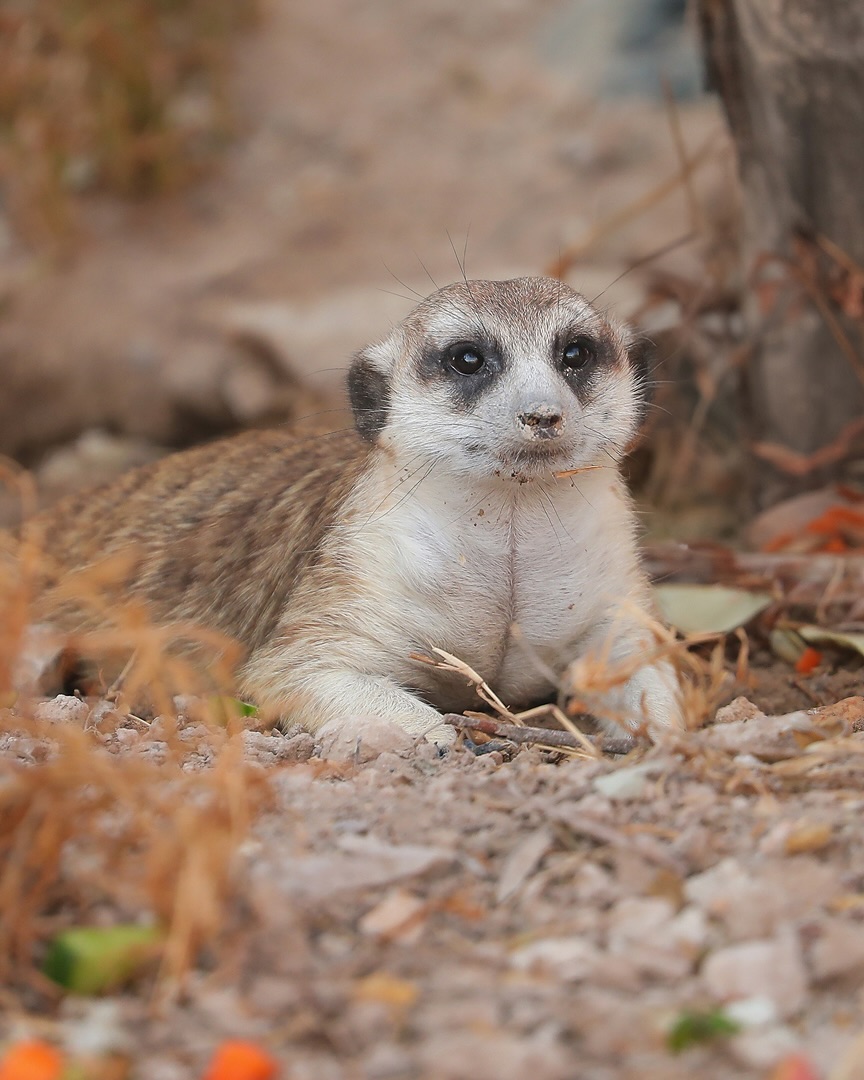
- The ecological role of meerkats in their habitat.
- Behavioral adaptations of meerkats during the summer.
- The impact of climate and seasonal changes on meerkat activities.
- Feeding habits and dietary preferences during warm months.
- Conservation efforts and their importance for meerkat populations.
Meerkats are fascinating creatures that inhabit the arid environments of southern Africa. These small, social mammals are part of the mongoose family and are known for their upright posture and inquisitive nature. Their ecological role in their habitat is significant. As both predators and prey, meerkats contribute to the balance of their ecosystem. They primarily forage for insects but also consume small reptiles and plant matter. The presence of meerkats helps control insect populations, which can, in turn, influence the health of the soil and plant life in their area.
During the summer months, meerkats exhibit behavioral adaptations that are crucial to their survival. As temperatures rise, these animals change their routines to cope with the heat. Early mornings and late afternoons become the prime time for foraging. They also utilize burrows to escape the scorching sun during the hottest parts of the day. This behavior not only protects them from extreme temperatures but also reduces their exposure to potential predators. The social structure of meerkat groups, known as “mobs,” plays an essential role in their summer survival. By working together, they can keep watch for threats while others forage.
Climate and seasonal changes have profound impacts on meerkat activities. Summer brings not just heat but also seasonal rains, which can lead to a flourishing of plant life and insect populations. This abundance serves as a food source, making summer a bountiful time for meerkats. However, the changing climate can also introduce challenges. Extended droughts or sudden heavy rainfall can disrupt their food sources and nesting sites. Understanding these environmental influences is crucial for those involved in wildlife conservation and zoo management.
Feeding habits during the summer vary significantly compared to other seasons. Meerkats are opportunistic feeders, and their diet includes a wide variety of foods. Insects are plentiful during warmer months, and meerkats will exploit this resource vigorously. They dig into the soil to uncover larvae, beetles, and other invertebrates. Their keen sense of sight allows them to spot prey quickly, while their sharp claws enable them to dig efficiently. Additionally, meerkats may occasionally consume fruits and seeds, adding a valuable source of hydration and nutrients to their diet.
The conservation of meerkats is an urgent issue that reflects broader concerns regarding wildlife in general. As their habitats face threats from agricultural expansion and human encroachment, meerkat populations are at risk. Conservation efforts focus on habitat protection, sustainable land use, and public education to raise awareness about the importance of meerkats and their environment. Programs that involve local communities are essential, as they foster a sense of stewardship and recognition of wildlife’s role in ecosystems.
In the ongoing efforts to protect meerkats, zoos play a significant role in education and breeding programs. These institutions provide a space for research and observation, allowing scientists to study meerkat behavior and social structures in controlled environments. Educational programs designed for the public help inform visitors about meerkat ecology and the challenges they face in the wild. By showcasing meerkats in such settings, zoos can promote conservation initiatives and advocate for improved policies aimed at protecting their natural habitats.
Summer is an intriguing season for meerkats, marked by vibrant activity and critical adaptations. From their social structures to dietary habits, every aspect is tightly interwoven with their survival strategies. Understanding meerkats gives insight into the delicate balances present in their ecosystems and underscores the importance of preserving these unique creatures for future generations. Wildlife conservation remains a crucial field, requiring dedication and awareness from all stakeholders involved, including scientists, conservationists, and the public.
Meerkats are not just fascinating to observe; they serve as vital indicators of environmental health. Their social behaviors, feeding patterns, and interactions with their surroundings offer valuable insights into the state of their ecosystem. Communities that recognize the significance of these animals can contribute to broader conservation efforts. Increasing public engagement through education can foster a love for wildlife and promote pro-environmental behavior.
Efforts to conserve meerkats also rely on studying their health and genetic diversity. Populations that lack genetic variation are more susceptible to disease and environmental changes. Zoos participating in breed-and-release programs help mitigate these risks by introducing genetic diversity into wild populations. Such strategies, grounded in scientific research, are vital to sustaining meerkat numbers and ensuring their survival.
To appreciate how meerkats thrive during summer, one must consider the ecology of their habitat. In arid regions, summer can mean harsh conditions, but these animals have evolved remarkable strategies. Their adaptations enable them to navigate and exploit seasonal opportunities efficiently. With the right mix of social organization and acute environmental awareness, meerkats can effectively respond to the challenges posed by their ecosystem.
Watching meerkats during this vibrant season reveals more than just adorable antics; it showcases a well-adapted community at work. Their playful behavior serves essential functions, such as strengthening social bonds, improving group cohesion, and allowing for effective communication. Through chirps and whistles, they alert each other to danger, ensuring that collective vigilance keeps them safe while they enjoy their summer days.
Meerkats have become emblematic of wildlife conservation efforts. Their charismatic appearance and complex social structures enable them to connect with audiences worldwide. Education initiatives promoting their conservation highlight the need for broader environmental stewardship. As more people become aware of the challenges meerkats face, collective efforts can lead to significant changes in attitudes and practices towards wildlife preservation.
The future of meerkat populations hinges on proactive measures taken today. Community-based conservation projects empower local populations to participate in protecting their environment. By fostering an understanding of meerkats’ ecological roles, these programs encourage practices that mitigate the adverse effects of human activities. Sustainable land use can greatly benefit both local communities and wildlife.
To understand meerkats in depth is to appreciate the intricate web of life surrounding them. Their summer activities not only highlight their adaptability but also underline the importance of biodiversity. By championing the cause of meerkats, we can forge connections to larger conservation goals that benefit a host of other species as well.
The awareness and engagement surrounding meerkats should not fade with the seasons. As summer turns into fall and then winter, ongoing support for their conservation is essential. Educating future generations about these animals helps cultivate a sense of responsibility that can drive positive change. Every small effort contributes to the overarching goal of ensuring that meerkats and their ecosystems are preserved.
Wildlife conservation is a pressing topic that requires active participation from individuals, organizations, and governments. The plight of meerkats serves as a valuable case study for understanding broader environmental issues. By focusing on specific animal populations like meerkats, conservationists can rally support for wildlife and inspire collective action.
The passionate discourse surrounding the health of ecosystems and their inhabitants is imperative. Meerkats are a vital part of this conversation, serving as ambassadors for the myriad challenges faced by wildlife. In nurturing a deeper understanding of their lives, behaviors, and ecological importance, we contribute to a more sustainable world for all living beings.
Efforts aimed at conserving meerkats reflect a broader commitment to protecting biodiversity. Through education, community involvement, and scientific research, measured progress can be made. The summer experiences of meerkats remind us to cherish and protect the natural world, ensuring that these remarkable animals can continue living their best lives for generations to come.
*****
Source Description
نمسنا اللطيف في أووج مراحل استمتاعه بأجواء الصيف🌞🕶️
مع الكثييير من 🍉🐛✨🤭
.
.
Our Meerkat’s living his best summer life🌞🕶️
feat. Lots of 🍉🐛 ✨🤭
