
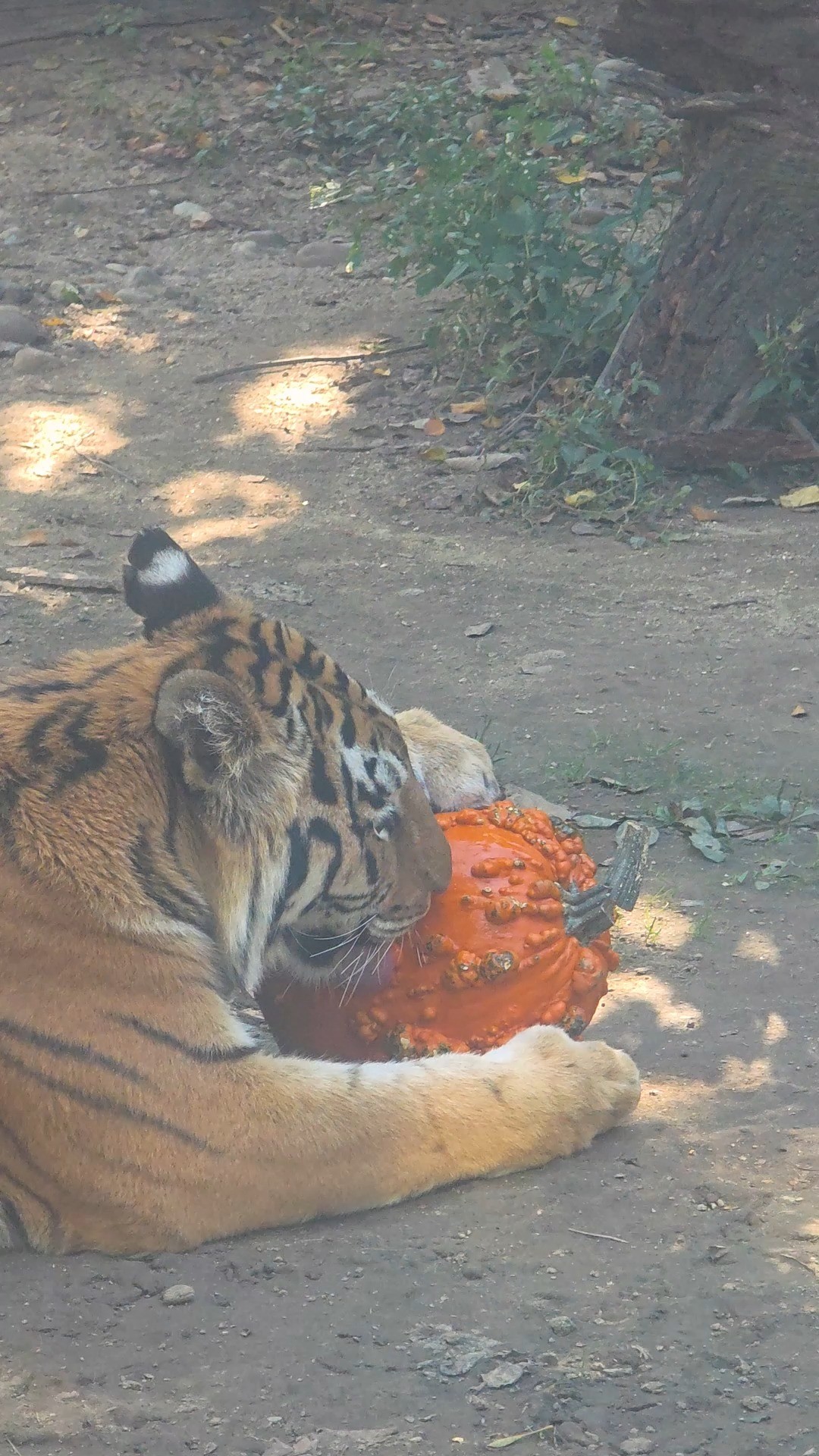
- The dietary preferences of Rory the Amur tiger compared to other animals.
- The multifaceted uses of pumpkins in animal care.
- The significance of engaging animals mentally and physically.
- The role zoos play in wildlife education and conservation.
- Insights into Amur tigers and their habitat conservation efforts.
Rory the Amur tiger stands out in the diverse world of zoo inhabitants. While many animals delight in the seasonal treat of pumpkins, Rory has his own distinct preferences. Understanding the dietary habits of various species can provide valuable insights into their natural behaviors and health. Tigers, particularly the Amur tiger, possess specific nutritional needs that must be met in captivity to maintain health and well-being. Unlike herbivorous animals that can indulge in a variety of fruits and vegetables, Rory, as a carnivore, requires a diet that emphasizes proteins found in meat.
In the wild, Amur tigers primarily hunt large ungulates such as deer, boars, and other mammals, showcasing their prowess as top predators. In a zoo environment, their diet can include specially formulated carnivore diets, fresh meat, and supplements designed to replicate their nutritional intake in nature. As much as pumpkins bring joy to many of the zoo’s occupants, Rory’s appetite and dietary needs confirm that not all animals will respond the same way to food offerings.
While pumpkins are often associated with festive seasons and can serve as a nutritional snack, their purposes extend beyond the plate. Enriching zoo animals’ lives is crucial for their overall well-being. Pumpkins can be used as toys, providing mental stimulation and encouraging natural behaviors. Animals like primates, bears, and even some birds enjoy manipulating these gourds, promoting physical activity and engagement. Chewing, rolling, and tossing pumpkins can mimic behaviors they exhibit in the wild, thereby enhancing their quality of life.
Many animals thrive on the variety that enrichment activities provide. Enrichment involves introducing novel stimuli into an animal’s environment to promote mental and physical activities. This often includes objects like pumpkins, ropes, and logs, but can also consist of food puzzles that encourage foraging behaviors. Enrichment helps to alleviate stress, reduce boredom, and prevent abnormal behaviors often caused by confinement in captivity.
The significance of mental and physical enrichment in animal husbandry cannot be understated. Studies demonstrate that animals engaged in regular, stimulating activities exhibit improved health and lower stress levels. For example, elephants given opportunities for problem-solving tasks tend to display better social dynamics and emotional well-being. Similarly, Rory benefits from an environment where he can express natural behaviors, although pumpkins, while exciting for some animals, simply don’t pique his interest in the same way.
Zoos play a pivotal role in educating the public about wildlife and conservation efforts. Visitors often gain insights into the dietary needs, behaviors, and habitats of various species. For instance, learning about the Amur tiger and its natural habitat can raise awareness about the threats facing this endangered species. The Amur tiger, once widespread across Asia, has faced severe population declines due to habitat destruction, poaching, and prey depletion. Engaging educational programs help disseminate critical information, driving home the message of species conservation.
The implications of conservation extend far beyond the zoo walls. Citizens educated about the importance of biodiversity are more likely to take action, such as supporting conservation organizations or advocating for wildlife protection policies. There’s a vital connection between zoo education and promoting conservation efforts. The visitors who learn about Rory the Amur tiger not only appreciate this magnificent animal but also recognize the urgency of its conservation.
Habitat conservation for Amur tigers has become a global priority. Initiatives focus on preserving forests in the Russian Far East, which serve as critical territories for these tigers. Community engagement is essential in these efforts, as local populations often rely on the forest for their livelihoods. Balancing human needs with wildlife conservation requires both education and sustainable practices.
Amur tiger conservation is a prime example of successful international collaboration. Conservationists from various countries work together to create protected areas, safeguard prey species, and implement measures to combat poaching. Moreover, campaigns have been initiated to involve the public in conservation, fostering a sense of shared responsibility for environmental stewardship. Rory the Amur tiger, therefore, symbolizes not just a species at risk but also a rallying point for conservation efforts worldwide.
Sustainable practices extend beyond just wildlife. They encompass a holistic approach to environmental stewardship. Local farmers are often involved in conservation efforts that support both wildlife and agricultural needs. For instance, initiatives encouraging farmers to use wildlife-friendly agricultural practices help mitigate conflicts between humans and animals, creating a balance beneficial to both parties.
As visitors marvel at Rory the Amur tiger, they contribute to a larger message of hope and responsibility. Every ticket sold and every interaction with zoo animals supports numerous conservation initiatives, from habitat preservation to community education. Awareness campaigns highlight biodiversity’s importance and how individual actions can contribute to larger goals.
Another interesting aspect is Rory’s unique interactions with enrichments like pumpkins. Although Rory doesn’t typically eat pumpkins, he may engage with them in more unconventional ways. For example, he might prefer them as a sensory exploration tool rather than a meal. Observing his interactions can provide valuable insights into his behavior and preferences, which can inform future enrichment strategies.
Zoo keeping relies heavily on ongoing observation and assessment. Keepers must be adept at reading animal behaviors and adjusting practices to meet their needs effectively. By documenting Rory’s responses to different enrichments, the staff can optimize his care, ensuring he leads a fulfilling life in captivity. Pumpkins, in this context, are not just for eating; they are tools for learning.
Moreover, integrating seasonal themes into zoo enrichment activities allows for a more dynamic experience for both animals and visitors. During autumn, pumpkin-themed engagements can enhance the zoo experience, reminding visitors of the changing seasons and prompting discussions about the natural cycles that influence wildlife. These educational moments are conducive to building a stronger connection between humans and the environment, ultimately fostering a culture of conservation.
Understanding the various preferences of animals also serves as a reminder of the biodiversity that exists within zoos. Different species have distinct needs shaped by their evolutionary backgrounds. This diversity highlights the importance of specialized care and a comprehensive understanding of each animal. The diversity of carnivores, herbivores, and omnivores within a zoo prompts continuous learning for caretakers and visitors alike.
Wildlife conservation thrives on fostering respect and understanding of the planet’s species. As Rory the Amur tiger captures the attention of visitors, the larger story unfolds—one of ecological balance, conservation, and shared responsibility. Every interaction and educational effort contributes to a more profound understanding of the environment and our place within it.
Animals in captivity also serve as ambassadors of their wild counterparts. Their stories resonate not just within the confines of a zoo but ripple out into society’s collective consciousness. People who learn about the Amur tiger are more likely to advocate for conservation, both locally and globally. Rory’s persona as a playful yet powerful predator reinforces the narrative of wildlife that is worth protecting.
For all these intriguing aspects, Rory’s preference for something other than pumpkins reminds us that every animal in our care has its personal tastes and inclinations. This serves as a point of reflection on the individual needs that must be addressed in captive care. Not all animals will find joy in the same things; hence, personalized approaches enrich both their lives and those of their keepers.
The synthesis of diet, enrichment, education, and conservation forms a robust framework that underscores the multifaceted role of zoos in contemporary society. Rory the Amur tiger, in all his magnificence, embodies the potential for education and conservation to work in harmony. As we observe his behaviors, we are reminded of our responsibility to protect our planet’s extraordinary biodiversity. Through continued awareness and action, we can preserve habitats, foster species recovery, and cultivate a deeper understanding of the animal kingdom.
*****
Source Description
While some of the animals in our care love eating pumpkins, Rory the Amur tiger just prefers…this 😅 Pumpkins aren’t just for food— they’re for play, too!
