
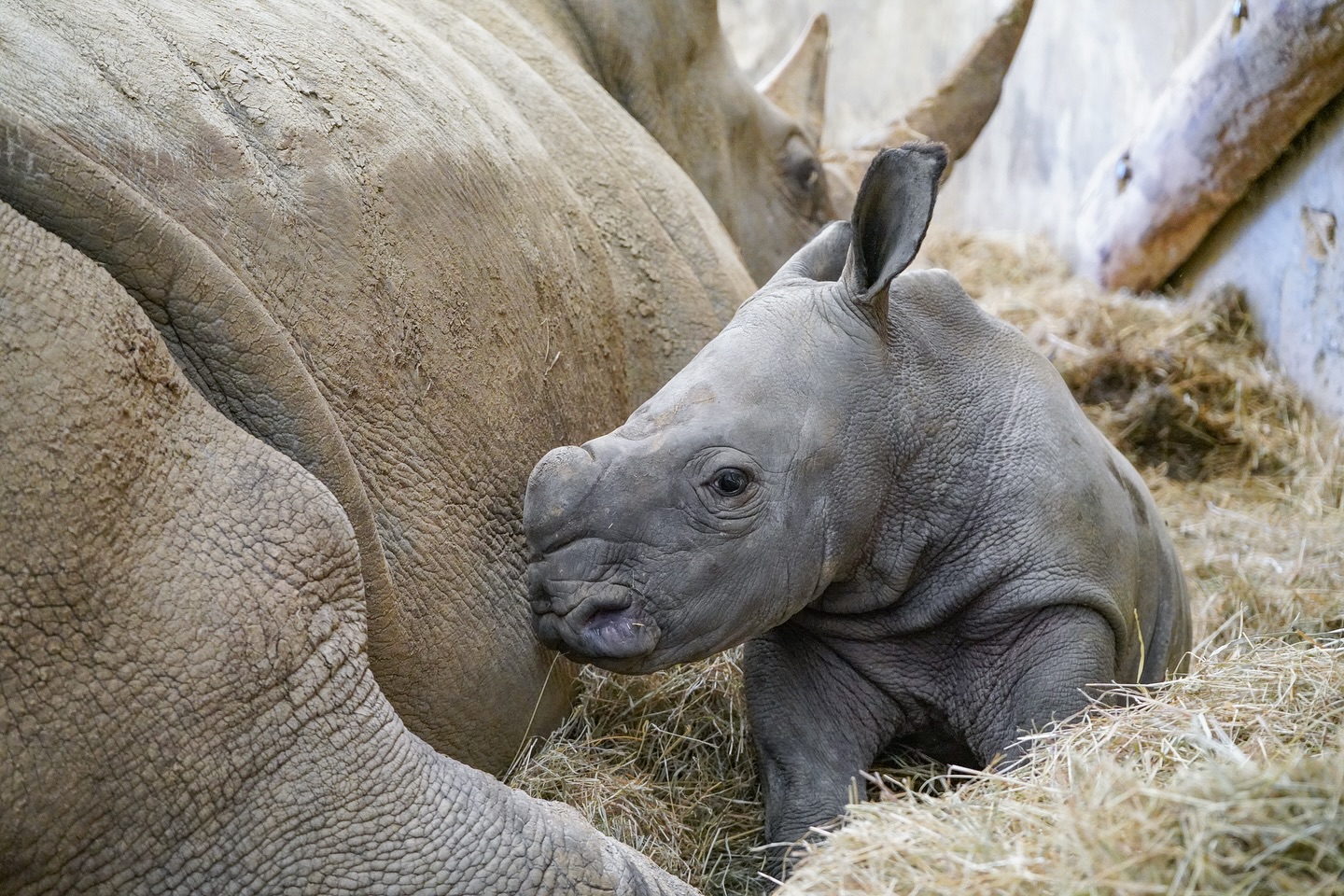
- Overview of Markus’s birth at Cotswold Wildlife Park and significance in rhino conservation
- Insights into the breeding success and challenges of white rhinos in captivity
- Role of Nancy and Monty’s breeding in conservation efforts
- Importance of wildlife parks in preserving endangered species
- Broader conservation implications and future prospects
Markus’s arrival at the Cotswold Wildlife Park marks a significant milestone in White Rhino conservation efforts. As the twelfth calf to be born at the park in twelve years, Markus exemplifies the strides made in breeding programs aimed at counteracting the threats white rhinos face in the wild. The birth is a testament to the dedicated efforts and comprehensive strategies implemented by the park’s staff to safeguard this endangered species.
White rhinos, once teetering on the brink of extinction, face numerous challenges from poaching to habitat loss. Their horns, highly valued in illegal markets, make them frequent targets of poachers. Additionally, habitat encroachment and environmental changes continue to pose severe risks to their populations in the wild. As such, births in captivity serve as crucial lifelines for the species, preserving genetic diversity and sustaining population numbers.
The birth of rhinos like Markus is rare in zoological settings. In 2025, only five white rhinos were born in European zoos, showcasing the difficulty of successful breeding programs. This rarity highlights the expertise and dedication required to maintain and nurture these gentle giants within artificial habitats. Breeding rhinos involves not only advanced knowledge of animal behavior and veterinary science but also creating an environment that mirrors their natural habitat as closely as possible to encourage natural behaviors.
At Cotswold Wildlife Park, professional efforts focus on creating such am environment. Factors like diet, social dynamics, and enclosure enrichment are meticulously managed to support the rhinos’ well-being. The staff’s commitment ensures that both the physical and psychological needs of the rhinos are met, thus promoting healthy reproduction rates.
Much of the breeding success at the park can be attributed to Nancy and Monty, Markus’s parents. Nancy, an experienced mother, demonstrates exceptional care and attentiveness. This nurturing behavior is critical in the early stages of a calf’s life, ensuring that they receive essential nutrients through nursing and gain vital social skills. Monty, the breeding male, plays an equally important role by contributing genetically diverse traits essential for the population’s resilience.
These efforts at Cotswold Wildlife Park emphasize the importance of captive breeding programs in wildlife conservation. Such initiatives not only help in saving species like the white rhino from extinction but also educate the public about the importance of biodiversity and conservation. By providing insights into the life and challenges of these remarkable animals, wildlife parks foster a sense of connection and responsibility towards protecting the natural world.
Furthermore, the park’s achievements underscore a broader commitment to safeguarding endangered species. Collaboration with international conservation bodies and adherence to best practices ensure that individual efforts contribute to global strategies aiming to preserve biodiversity. These collaborations facilitate genetic exchange programs that prevent inbreeding and enhance genetic resilience across zoo populations.
The birth of Markus also sheds light on the future prospects of white rhino conservation. With advancements in technology and biology, researchers are developing innovative methods to support conservation efforts. These include genetic management tools, advanced reproductive technologies, and enhanced monitoring systems. Such tools aid in precise breeding management and ensure that captive populations remain viable for reintroduction into natural habitats.
In the grand scheme of wildlife conservation, each new birth represents hope and progress. Markus’s arrival is a reminder of the delicate balance and unwavering determination needed to sustain endangered species. As more organizations work together, sharing knowledge and resources, the future for white rhinos and other endangered animals becomes brighter.
Through a combination of expertise, dedication, and innovation, Cotswold Wildlife Park stands as a pillar of conservation success, showcasing what is possible when committed efforts are directed toward protecting our planet’s irreplaceable wildlife.
*****
Source Description
@cotswoldwildlifepark Markus is the newest addition to the Rhino family at Cotswold Wildlife Park and Gardens. He is the twelfth Rhino calf to be born at the Burford collection in twelve years – a tremendous achievement. Births in captivity are extremely rare. In fact, the Park is responsible for the UK’s only White Rhino birth this year. In total, just five White Rhinos were born in European zoological collections in 2025. The youngster is healthy and nursing well from Nancy – an exceptional and attentive mother. This is her seventh calf with breeding male Monty.
