
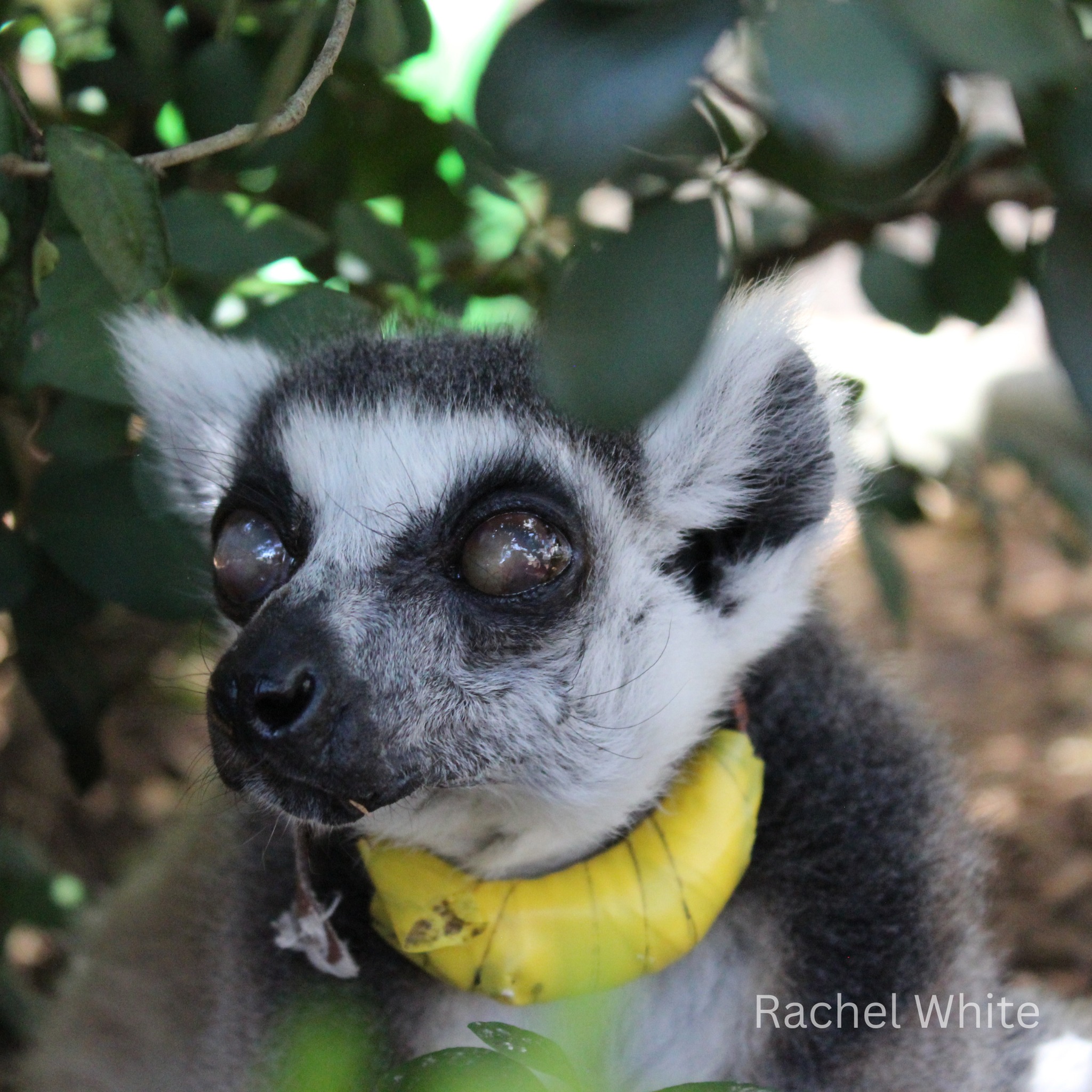
- Yuengling: The Oldest Ring-Tailed Lemur at Thirty-Three
- Understanding Glaucoma in Primates
- Post-Surgery Care and Behavioral Insights
- The Importance of Enrichment and Social Interaction
- Wildlife Conservation and Lemur Species
Yuengling, at thirty-three years of age, stands out as the oldest ring-tailed lemur at our facility. Ring-tailed lemurs (Lemur catta) are native to Madagascar and are characterized by their striking black and white striped tails. While Yuengling’s age is impressive, it also brings complexities related to his health and behavior. As one of the oldest living members of his species in captivity, Yuengling embodies the wisdom and resilience often seen in elder members of wildlife populations.
One of the most significant health challenges Yuengling faces is glaucoma, a condition that causes increased pressure in the eye, sometimes leading to blindness. His eye issues have made it difficult for him to navigate his surroundings. Recently, he underwent an important surgical procedure that successfully reduced the buildup of fluid in his eyes. This operation has provided Yuengling with more comfort, allowing him to engage more actively with his environment and companions.
Glaucoma is not an isolated issue for lemurs but affects other primate species as well. The illness can arise from various factors, including genetic predisposition, age, and environmental influences. Research indicates that certain lemur species may be more susceptible to ocular diseases due to limited genetic diversity. As caretakers, understanding this condition helps us provide appropriate support and care to Yuengling and other primates facing similar challenges.
Post-surgery, care for Yuengling centers on monitoring his behavior and health. His interaction with caretakers and his groupmates, Ansell and Duffy, has been essential for his recovery. Social interactions stimulate both mental and physical well-being. Interestingly, Yuengling demonstrates remarkable agility despite his blindness. His ability to climb and engage with his environment showcases the adaptability observed in many animals, particularly in social species like lemurs.
Behavioral changes among primates often reflect their physical conditions. Yuengling’s interactive nature has not diminished. Engaging him with enrichment activities, such as foraging exercises and climbing structures, enhances his quality of life. Regular observation gives us insight into how he responds to these activities, enriching the overall group dynamic and promoting a stimulating environment.
As wildlife conservation efforts become increasingly critical, understanding species-specific health challenges is paramount. Ring-tailed lemurs are listed as endangered due to habitat destruction and poaching. Increased awareness about their ecological significance can contribute to conservation initiatives aimed at preserving both their natural habitats and genetic diversity. Educating the public on the reliability of captive breeding programs can foster greater support for conservation efforts focused on protecting these unique creatures.
Efforts to engage the community through educational programs are vital for raising awareness. Children and adults alike are encouraged to learn more about the plight of lemurs and other species facing adversity. By showcasing individuals like Yuengling, we spark interest and compassion, inspiring future generations to partake in conservation efforts.
Yuengling’s situation exemplifies the urgent need for ongoing conservation efforts. The more people know about the challenges faced by species like ring-tailed lemurs, the stronger the advocacy for protective measures becomes. By highlighting Yuengling’s journey, we shine a light on critical animal welfare issues and promote active participation in conservation.
Promoting social structures among captive animals plays an essential role in their well-being. For Yuengling, friendship with other lemurs acts as a source of comfort. In their natural habitats, lemurs rely on strong social bonds to thrive. Thus, replicating these dynamics in captivity is important for ensuring a balanced environment.
In summary, Yuengling’s story provides a remarkable perspective on aging in primates, the challenges associated with specific health conditions, and the rewards of social interaction. His journey underscores the importance of proactive care in ensuring both quality of life and conservation success. We invite you to stay tuned for next week’s feature, where we will continue to showcase the inspiring lives of our lemurs.
*****
Source Description
It’s ! Every week, we want to give one of our lemur’s the spotlight. This week’s feature is our beloved Yuengling!
Yuengling is a thirty-three-year-old ring-tailed lemur, which makes him the oldest lemur on site!
You may notice the fogginess in Yuengling’s eyes which is due to glaucoma, effectively making him blind. This past April, Yuengling underwent a procedure to stop the build-up of fluid associated with glaucoma in his eyes, which we are thrilled to say was successful and has made Yuengling’s condition much more comfortable.
Since his procedure and attentive care by his caretakers, Yuengling behaves almost entirely normal. Despite his age and blindness, Yuengling never ceases to surprise his caretakers with his ability to climb throughout his enclosure and interact with his groupmates Ansell and Duffy.
Stay tuned for next week’s feature friday!
