
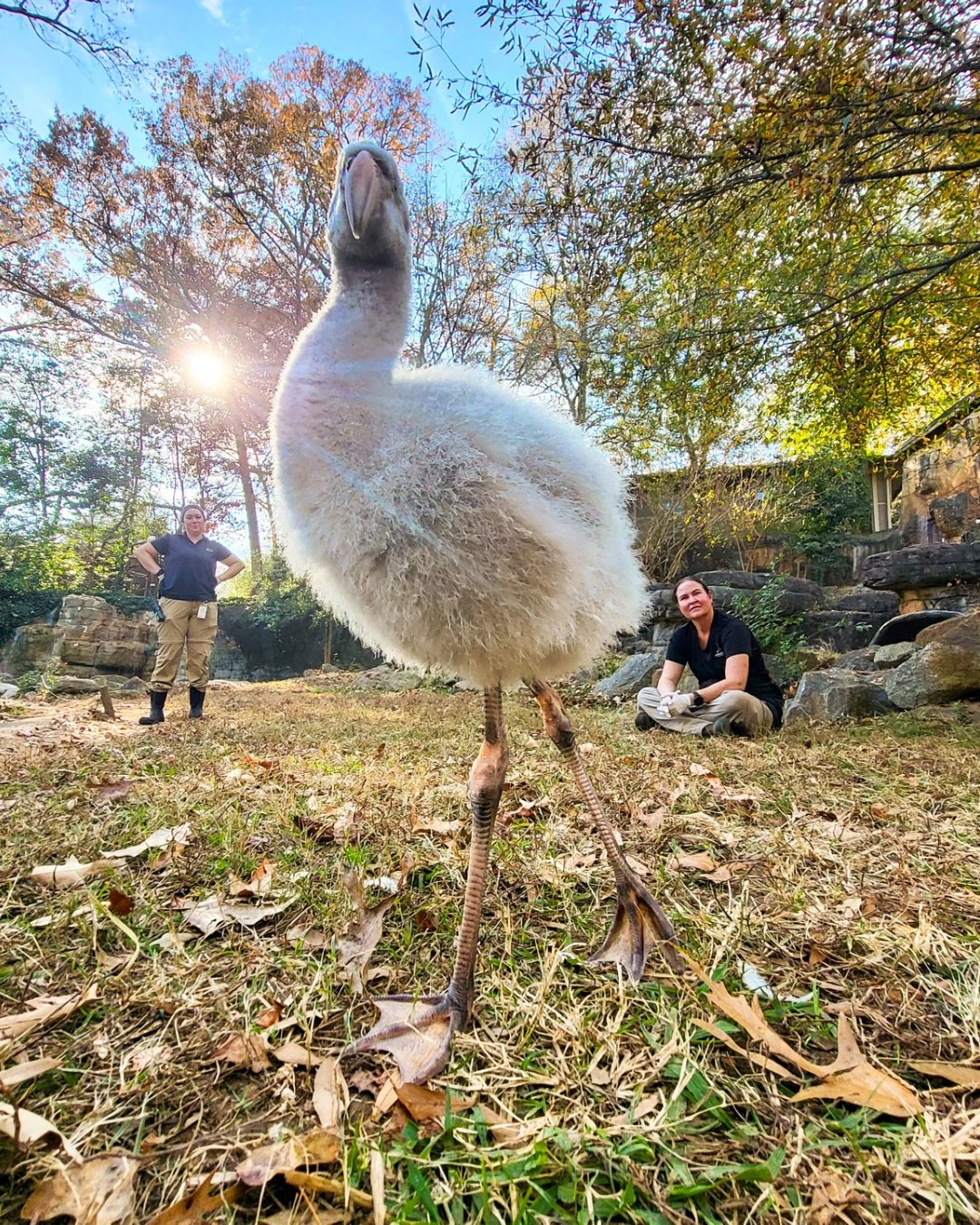
- The characteristics and significance of Flamingle weather
- The role of temperature and climate in animal behavior
- How Pancake and Maple, the flamingos, respond to changing weather
- Educational opportunities through zoo visits
- Conservation efforts surrounding flamingos and their habitats
Flamingle weather represents the delightful intersection of warm temperatures and the enchanting presence of flamingos. This weather phenomenon is experienced during the fall season, when warmer-than-average temperatures create ideal conditions for outdoor activities. For animal enthusiasts, it’s also a significant time to observe how species like flamingos adapt their behaviors based on climatic changes.
Flamingos, with their striking pink plumage and social behaviors, thrive in subtropical and tropical climates. These birds are highly social, preferring to live in large groups, or colonies, which provides safety and enhances mating opportunities. The combination of these traits makes studying flamingos in pleasant weather particularly valuable for researchers and patrons at educational institutions, like zoos.
Understanding the temperature and climatic variables that characterize Flamingle weather is essential. During the fall, temperatures can fluctuate significantly. This variation influences the activities of both wildlife and visitors to educational institutions. The warm fall temperatures often encourage both animals and visitors to engage in activities that they might shy away from during colder weather. This increased activity not only enhances animal welfare but also allows for intimate animal encounters.
Temperature plays a vital role in animal behavior. For flamingos, warm weather means more than just comfort; it influences their feeding patterns and social interactions. In optimal conditions, flamingos spend considerable time foraging for food, engaging in courtship displays, and preening their feathers. They predominantly feed on algae and small crustaceans, which thrive in warmer waters. Observing these behaviors offers valuable insights into flamingo ecology and social structures.
Pancake and Maple, the resident flamingos in the education classroom, provide a unique window into these phenomena. Their interactions with each other and their environment serve as a practical example of how animals adjust to changing conditions. As the weather remains warm, Pancake and Maple are often seen wading in shallow pools, using their long, specialized beaks to filter food from mud and water. Watching their energetic displays reinforces the connection between weather conditions and animal behavior.
The educational element of observing flamingos during Flamingle weather serves to engage zoo visitors in meaningful ways. Educational programs at zoos often emphasize the importance of animal behavior and habitat conservation. Visitors can witness firsthand how climate affects wildlife, making a direct connection between education and environmental stewardship. By understanding how impactful temperature and seasonal changes are for species like flamingos, patrons become more informed advocates for wildlife conservation.
During the designated viewing hours, from Monday through Friday, between 2 and 2:45 PM, visitors have the chance to learn more about Pancake and Maple. Staff members are typically present to guide observations, offering insights into flamingo behavior and biology. This interaction can spark interest in avian studies among young learners and encourage them to explore careers in zoology or wildlife conservation.
In addition to the informative aspect of Flamingle weather, awareness of the conservation challenges that flamingos face is critical. Many species of flamingos are threatened due to habitat loss, pollution, and climate change. With warmer temperatures influencing rainfall patterns, wetland environments are declining, affecting the availability of feeding and breeding grounds.
Conservation efforts are vital to ensure that flamingos continue to thrive in their natural habitats. Organizations dedicated to these birds advocate for habitat protection, restoration initiatives, and the establishment of protected areas. Patrons interested in supporting these causes can often find resources at zoos, where educational campaigns aim to raise awareness about the importance of wetlands and avian biodiversity.
Flamingos, like Pancake and Maple, demonstrate how weather can shape not only their survival strategies but also the educational narratives surrounding them. As the seasons change, so too do the lessons available to those who observe and engage with wildlife. The impact of warming temperatures during fall brings with it a broader awareness of climate patterns that affect both animals and their ecosystems.
The importance of these observations cannot be overstated. Engaging with flamingos in a controlled environment enables people to make critical connections about environmental conservation and animal welfare. These experiences encourage visitors to consider both local and global wildlife issues while fostering a sense of responsibility for protecting natural habitats.
Flamingle weather is not just a backdrop for watching animals. It presents a dynamic opportunity for education, interaction, and fostering an appreciation for biodiversity among visitors. As students and families share in the excitement of observing Pancake and Maple, they learn valuable lessons about the delicate balance of ecosystems and the impacts of human activity on nature.
Sharing the stories of flamingos in the context of Flamingle weather encourages a deeper understanding of avian life cycles, feeding behaviors, and social structures. Educators and conservationists can utilize these moments to discuss the intricacies of ecosystems and the importance of sustaining them for future generations.
This educational approach provides a more engaging experience while aligning with broader conservation messages. Through discussions and observation, visitors gain insights into how local climate phenomena affect wildlife on a larger scale. They can learn practical ways to contribute to conservation efforts, from supporting wildlife organizations to participating in local restoration projects.
Further, schools often collaborate with zoos to facilitate field trips centered around animal observation, aligning with curriculum goals in science and environmental education. These partnerships enrich classroom learning by providing real-world contexts for students, allowing them to connect theoretical knowledge with practical experiences.
Flamingle weather also serves as a reminder of the ongoing changes our environment faces due to climate change. Without concerted conservation efforts, we risk losing not only individual species, like flamingos, but entire ecosystems crucial for the survival of countless organisms.
Each visit to observe Pancake and Maple presents an opportunity for learning and engagement. As visitors witness flamingos exhibiting natural behaviors under pleasant weather conditions, they are reminded of the beauty and fragility of life in these environments. Educators at zoos play an essential role in reinforcing the significance of conservation work and the urgent need to protect vulnerable species from the impacts of climate shifts.
In summary, the magic of Flamingle weather offers more than just pleasant conditions for outdoor observations. It is a vital context for understanding avian behavior, highlighting educational opportunities, and emphasizing the importance of conservation. Through the experiences shared at the zoo, visitors are empowered to advocate for wildlife and become stewards of the environment. The interaction between people and flamingos during this warm weather fosters a connection that will amplify the message of conservation long after the season ends.
*****
Source Description
Flamingle weather! 🍂🦩 Pancake and Maple took advantage of the warm fall temps to enjoy some outdoor time. ☀️
👀 Don’t forget you can stop by Monday through Friday from 2-2:45 pm to visit them in the education classroom. Viewing hours will continue throughout November.
