
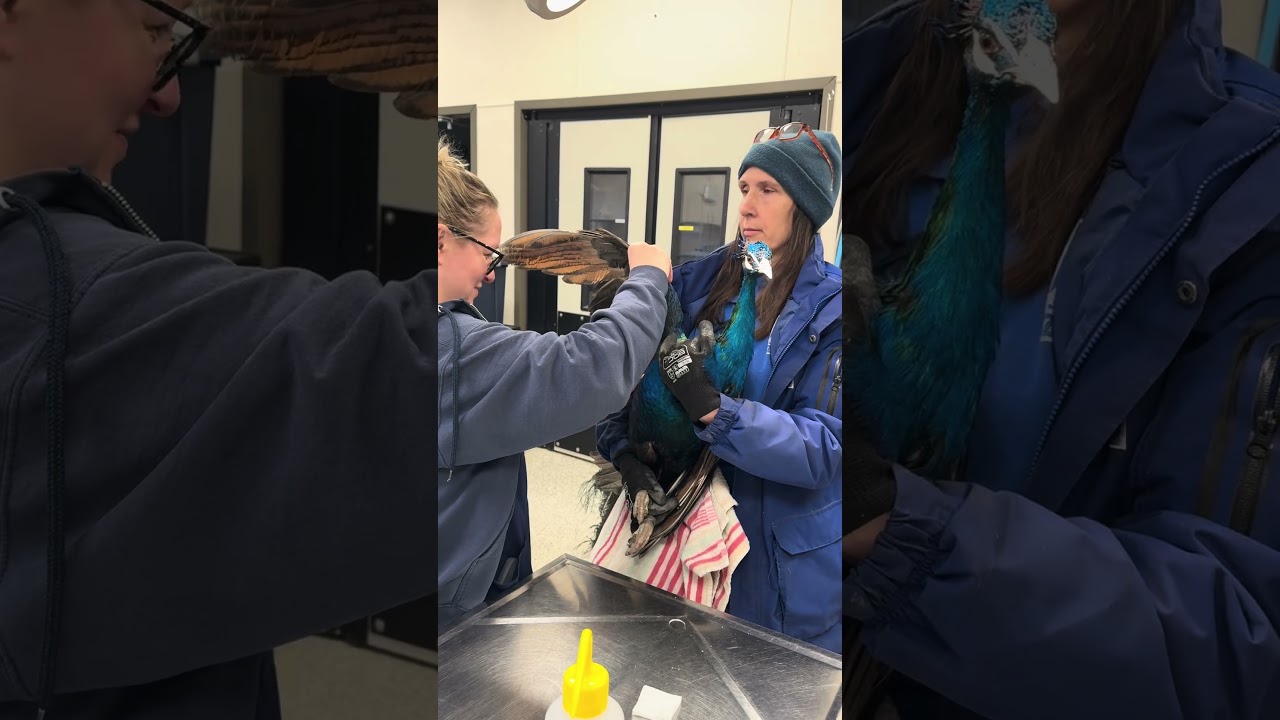
- Blue Chicken’s successful exam highlights critical aspects of zoological health assessments.
- Insights into the biology and characteristics of the Blue Chicken species.
- Zoo management techniques for optimal care and welfare.
- The role of wildlife conservation in maintaining biodiversity.
- How educational initiatives support public awareness and conservation efforts.
The recent success of Blue Chicken in passing his annual exam with flying colors underscores the importance of regular health assessments in zoological settings. These evaluations are crucial for ensuring the health and welfare of animals in captivity. This process involves a comprehensive review of the animal’s physical condition, diet, habitat, and behavior, aimed at promoting well-being and longevity.
Blue Chicken’s impressive results illuminate the critical steps involved in such health assessments. Veterinarians and animal care specialists conduct thorough examinations, which include blood tests, weight checks, and behavioral observations. These tests help detect early signs of illness or stress, allowing for timely interventions and adjustments in care regimens. The ultimate goal is to provide creatures like Blue Chicken with an environment conducive to thriving, and to mitigate any factors that might compromise their health.
To appreciate the significance of these health checks, it is essential to understand the biology and ecological role of Blue Chicken. This term, often colloquially used, generally refers to certain vibrant avian species characterized by striking plumage and distinctive behaviors. Their natural habitats are typically rich in diversity, requiring specific conditions replicated in zoos. Proper diet, sufficient space for exercise, and mental stimulation are critical to mimic their wild environment as closely as possible.
Blue Chickens, with their vivid feathering, possess unique dietary needs that require careful planning in zoo management. Nutritionists develop specific feeding strategies, ensuring balanced nutrition tailored to their species. This approach prevents common health issues like obesity or malnutrition. Moreover, zookeepers implement dynamic enrichment activities, such as interactive toys and varied perches, to engage the birds mentally and physically.
Zoo management practices prioritize the well-being of animals, incorporating principles of animal psychology and behavioral science. For Blue Chicken, zookeepers meticulously plan daily routines that reflect natural behaviors, providing opportunities for foraging and social interaction. This type of management fosters a stimulating environment, crucial for both physical health and psychological well-being.
In addition to direct animal care, modern zoos serve as vital players in wildlife conservation. They collaborate with global conservation initiatives, advocating for endangered species and raising awareness of environmental issues. The maintenance of biodiversity is vital for the planet’s ecological balance. Thus, Blue Chicken’s presence in a zoo is not only for display but also as part of a larger conservation effort.
Conservation programs often include breeding initiatives designed to increase population numbers of threatened species. These programs are backed by rigorous scientific research and data collection, providing valuable insights into genetics and reproductive health. In this context, Blue Chicken’s exam results contribute to a broader pool of knowledge, aiding conservationists in developing effective strategies.
Another fundamental aspect of zoological management is public education. Engaging exhibits and educational programs enlighten visitors about the importance of conservation and the intrinsic value of wildlife. Through interaction and observation, the public gains a deeper appreciation for species like Blue Chicken and the ecosystems they symbolize.
Educational initiatives also promote stewardship and inspire future generations to take an active role in environmental protection. Zoos often partner with schools and community organizations to offer workshops, informational sessions, and volunteer opportunities focused on wildlife conservation.
In summary, Blue Chicken’s successful exam is a testament to the synergy of scientific research, dedicated care, and conservation efforts within zoological settings. It underscores the critical role of zoos in preserving biodiversity and educating the public about wildlife conservation. The ongoing commitment to optimal care and environmental sustainability is what enables vibrant species like Blue Chicken to flourish, ensuring that future generations can share in the wonder and beauty they represent.
*****
Source Description
Our vet team performed a head-to-tail visual exam, a routine beak trim, and a blood draw to ensure everything is perfect under those fabulous feathers!
Blue Chicken is now back to his regularly scheduled routine of strutting around Zoo grounds!
