
- Overview of the Southern Pudu and Its Characteristics
- Diet and Feeding Behavior of Southern Pudu
- Importance of Seasonal Enrichment in Captive Care
- Conservation Status and Environmental Impact
- The Role of Zoos in Southern Pudu Conservation
The Southern Pudu (Pudu puda) is a captivating species of deer known for being among the smallest in the world. These diminutive creatures typically stand about 12 to 16 inches tall at the shoulder and weigh between 35 to 55 pounds. Their size is complemented by a rich, brownish coat, which helps them blend into the foliage of their dense forest habitats. Native to southern Chile and Argentina, Southern pudus typically reside in temperate rainforests, where thick underbrush provides both food and protection from predators.
The anatomy of the Southern Pudu is fascinating. Their small, stocky legs and compact bodies are perfectly adapted for maneuvering through dense vegetation. Additionally, their large ears aid in detecting sounds in their environment, enhancing their ability to sense danger. These animals exhibit a calm demeanor, often browsing quietly, thus blending seamlessly into their surroundings.
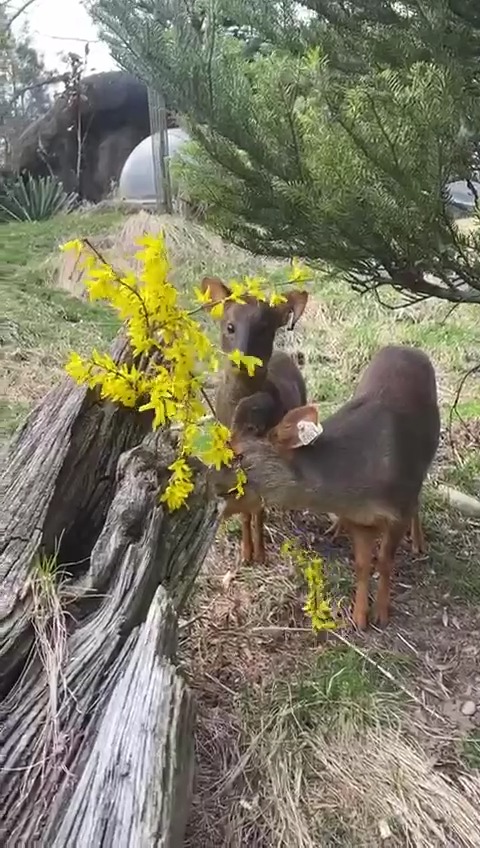
Southern pudus are herbivorous browsers that consume a variety of plant matter. Their diet primarily includes leaves, shrubs, vines, and other green vegetation, making them crucial for the health of their ecosystem. During spring, as in the video featuring two pudus indulging in forsythia, they enjoy an array of seasonal offerings, including fungi, fruits, and berries. This diverse diet provides the nutrients necessary for growth and reproduction, especially in the warmer months when food availability is plentiful.
The feeding behavior of Southern pudus is significantly influenced by their habitat. These deer display selective feeding habits, choosing tender and palatable plant parts while avoiding tougher foliage. This behavior not only helps them meet their nutritional needs but also supports the ongoing health of vegetation in their ecosystem. Regular browsing promotes plant regrowth, thereby enhancing biodiversity in their habitat.
Seasonal enrichment plays an essential role in the lives of captive Southern pudus. Enrichment means providing animals with stimuli that encourage natural behaviors, which is critical for their wellbeing. In a controlled setting, keepers can incorporate various plant species to represent the natural variety of their diet. As seen in the video, the pudus were interacting with and consuming forsythia, a flowering plant that provides not only nourishment but also mental stimulation. Seasonal variations bring different foliage, which keeps their diet diverse and their behaviors engaging.
Providing captive Southern pudus with seasonal enrichment hails numerous benefits. It encourages exploration and natural foraging behaviors, promoting physical and mental health. The addition of branches, leaves, and other plant types helps mimic their natural feeding patterns. Engaging with their environment reduces stress and boredom, leading to healthier and more active animals. Enrichment should reflect their natural diet to provide a comprehensive and engaging experience.
The conservation status of the Southern Pudu deserves attention as well. Classified as Near Threatened by the International Union for Conservation of Nature (IUCN), these deer face various threats, including habitat loss due to logging, agriculture, and urbanization. Climate change also poses risks, altering their habitat and food availability. Protection of their natural environment is crucial for their survival, and effective management practices are essential to maintain viable populations.
Efforts are underway to conserve Southern pudus and their habitats. These initiatives include wildlife reserves and protected areas in their native range. Additionally, local organizations focus on educating communities about the importance of these deer in their ecosystems. Conservation awareness plays a significant role in ensuring sustainable habitats for Southern pudus and other wildlife.
Zoos and aquariums also play a pivotal role in the conservation of the Southern Pudu. These facilities serve as critical centers for research and education. They provide insights into the behavior, reproduction, and health of pudus while promoting conservation messages to the public. By engaging in breeding programs, zoos contribute to maintaining genetic diversity, which is essential for long-term survival.
Additionally, these institutions often participate in breeding initiatives for endangered species, contributing to global conservation efforts. Public education programs raise awareness about Southern pudus, informing visitors about their plight and soliciting support for conservation actions.
In summary, observing the Southern Pudus in environments where they can engage with seasonal sustenance mirrors their natural behaviors. As they browse on forsythia in their spring habitat, they are not only nourishing themselves but also engaging with their environment meaningfully. Their delicate existence underscores the importance of habitat protection and responsible wildlife management practices. By fostering public awareness and scientific research, the path toward sustainable conservation for Southern pudus becomes clearer. Active participation at all levels, from local communities to global conservation organizations, is necessary to ensure the continued survival of these remarkable creatures.
*****
Source Description
Enjoy this video of two of our pudus enjoying some spring browse 🌼
Southern pudus, one of the smallest species of deer, are herbivorous browsers that primarily consume leaves, shrubs, vines, fungi, fruit, and berries. In this video, they are snacking on forsythia, providing them with the perfect seasonal enrichment.
🎥: Keeper Gwen
