
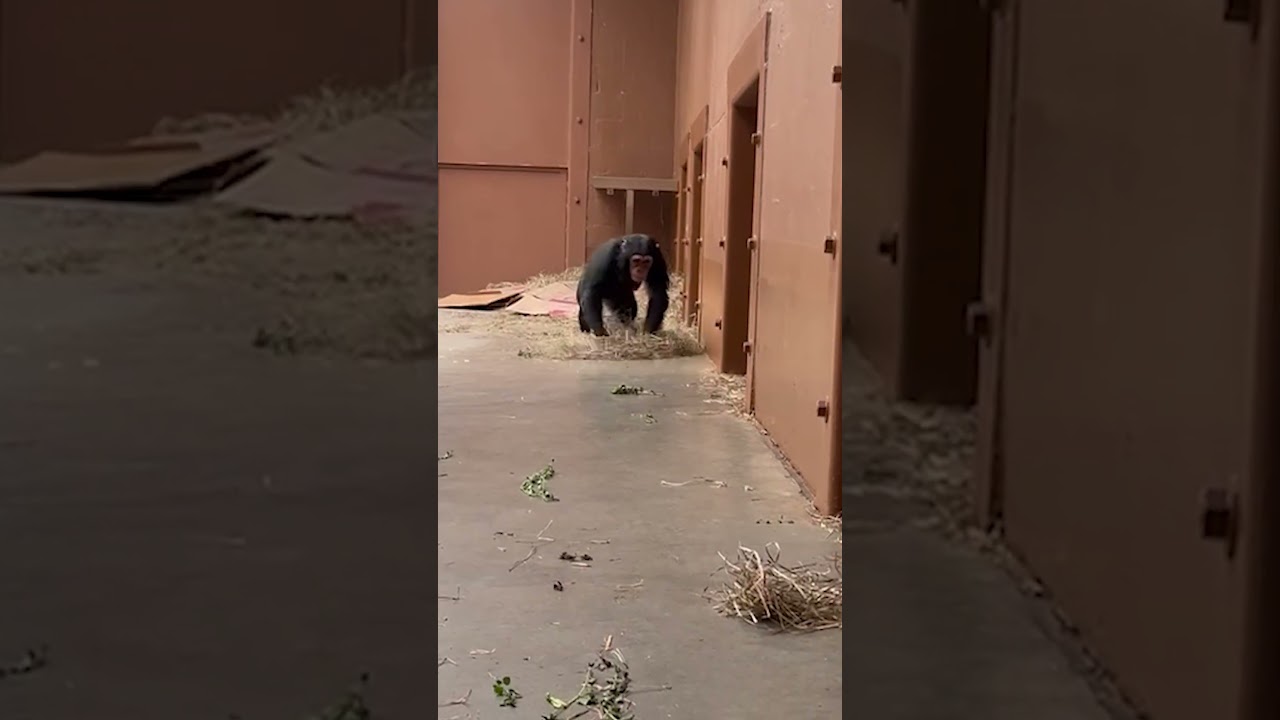
- The significance of zoo management and wildlife conservation in the context of Knoxville Zoo.
- Details of Stevie Slide and its educational role within Knoxville’s community outreach programs.
- The relationship between zoos and local school systems, illustrated through Knoxville’s back-to-school initiatives.
- Conservation efforts and how they are integrated into daily operations and educational programming at the zoo.
- The importance of engaging videos and multimedia in enhancing environmental education for diverse audiences.
The Knoxville Zoo has long been a pillar in the community, promoting the principles of zoology, wildlife conservation, and education. Central to this mission is the zoo’s commitment to effective zoo management and its symbiotic relationship with wildlife conservation efforts. Managing a zoo like Knoxville’s involves a complex interplay of scientific research, education, and environmental stewardship. These elements coalesce to create a space where conservation is practiced and witnessed by the public.
Zoo management requires a keen understanding of animal behavior, habitat creation, and visitor engagement. At the Knoxville Zoo, the dedication to these aspects ensures that every exhibit not only provides a home for animals but also serves an educational purpose. The integration of conservation practices into the day-to-day management of the zoo reflects a broader commitment to environmental sustainability. This encompasses everything from the design of enclosures to the dietary plans of the species in residence, all aligned with global conservation goals.
One of the standout features of the Knoxville Zoo’s educational approach is the Stevie Slide, which epitomizes their unique educational model. Stevie Slide is more than an attraction; it’s a dynamic educational tool that captures the imagination of visitors, especially children. Through the lens of play and exploration, the zoo uses this feature to impart lessons about physics, animal locomotion, and the natural world. This innovative approach allows visitors to learn about the principles of motion and energy in an interactive way, linking human experience with the adaptations and survival strategies of animals.
Knoxville Zoo’s emphasis on interactive learning through facilities like Stevie Slide reflects a broader educational strategy. By partnering with local schools and creating back-to-school programs, the zoo forges strong connections with the Knoxville Community Schools (KCS). This partnership enhances the impact of lectures, field trips, and hands-on activities by grounding them in real-world contexts and active learning. Students, teachers, and even families are drawn into the fold, fostering an appreciation for wildlife and conservation from an early age.
Workshops and educational programs designed in collaboration with KCS not only support the school curriculum but also broaden students’ perspectives. Offering direct encounters with wildlife, the zoo provides an invaluable contextual learning environment. The lessons gleaned in classrooms are amplified through tactile experiences, giving students a comprehensive understanding of biodiversity, ecosystems, and their crucial role in conservation.
The symbiosis between zoos and education systems goes beyond traditional models. By addressing contemporary environmental challenges, Knoxville Zoo incorporates conservation science into its programs. These initiatives take on a hands-on approach, inviting students to participate in conservation projects and research. Understanding the threats to biodiversity, from poaching to habitat loss, students learn about strategies such as captive breeding, habitat restoration, and the role of protected areas.
By integrating technology and media, the Knoxville Zoo extends its educational reach. Videos and multimedia content are valuable tools in a digital age, used to engage young audiences and inspire action. Carefully curated content can dissect complex issues, like climate change and conservation, into digestible and compelling narratives. This approach serves the dual purpose of educating and motivating the public to partake in conservation efforts. Through compelling storytelling, the zoo aims to instill a sense of responsibility and urgency in preserving our planet’s rich biodiversity.
Conservation initiatives at the Knoxville Zoo are also deeply intertwined with their outreach programs. Communicating the importance of preservation helps galvanize community support and advocacy. Collaborating with local conservation groups and international wildlife organizations helps pool resources and amplify efforts. These partnerships facilitate the exchange of knowledge and technical expertise, which is crucial in tackling the multifaceted challenges of conservation.
Engagement through various initiatives such as “back-to-school” programs and interactive sessions ensures the message of conservation reaches a wider audience. It encourages open conversations around pressing environmental issues and inspires collective action. The Knoxville Zoo, through its robust educational framework, demonstrates a commitment to nurturing the next generation of conservationists. By prioritizing education, community involvement, and sustainable practices, the zoo illustrates a comprehensive pathway toward a more sustainable future.
In summary, the Knoxville Zoo, through its innovative management, educational initiatives, and conservation programs, positions itself as a frontrunner in the effort to foster an educated and environmentally conscious community. Engaging diverse audiences through hands-on learning and multimedia not only strengthens its mission but also aids in cultivating a shared commitment to preserving our natural world.
*****
Source Description
This is how you should be sliding into the zoo this week before school starts!
