
- The ecological role of gharials in their habitat
- Characteristics and behaviors of Big Boy the gharial
- The significance of human-wildlife interactions
- Conservation efforts for gharials and their habitats
- The unique experience of floating with Big Boy
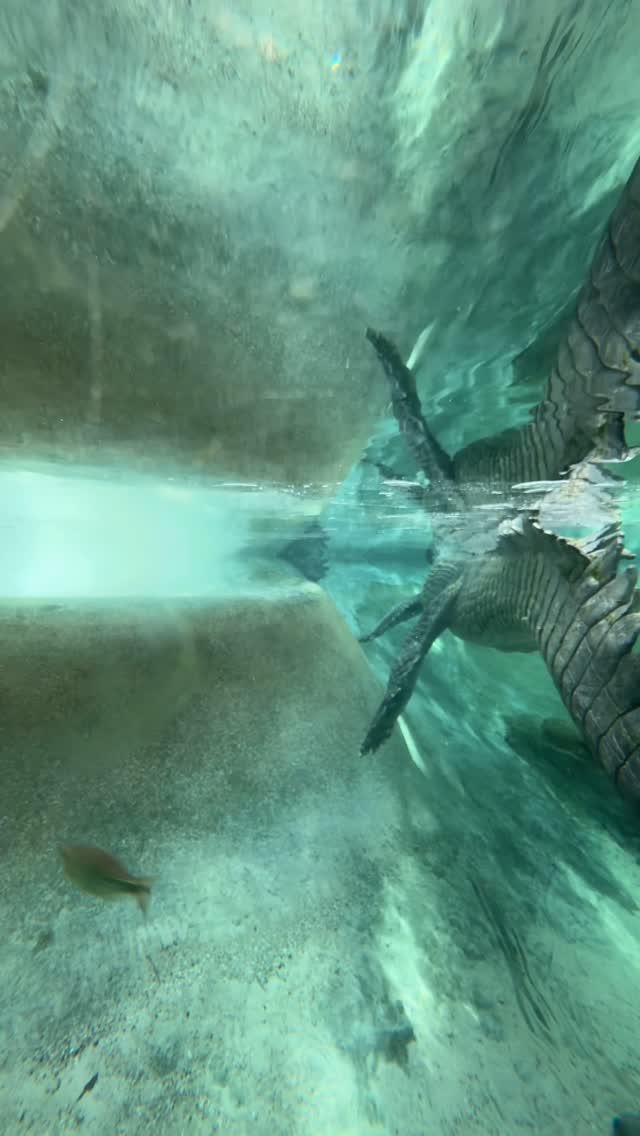
Floating peacefully with Big Boy the gharial offers a rare glimpse into the life of this fascinating species. Gharials, a type of crocodile, are primarily found in the river systems of the Indian subcontinent. Big Boy enjoys his life in a carefully monitored habitat where visitors can observe his behaviors up close while learning about the critical role gharials play in their ecosystems.
Gharials serve a crucial ecological function as top predators within their aquatic habitats. They maintain the balance of fish populations, mainly through their predatory habits. By feeding on fish, they help control the numbers of various species, which in turn maintains the health of the river ecosystem. This balance is vital for other species sharing the habitat and for the overall water quality. A healthy ecosystem can filter pollutants and provide a nurturing environment for diverse wildlife.
Big Boy embodies the distinct characteristics of gharials. These reptiles are renowned for their long, slender snouts and unique dental structure, which is perfectly adapted for catching fish. A gharial’s jaws are equipped with sharp, interlocking teeth that allow them to grasp slippery prey with ease. Adult males, like Big Boy, display a bulbous growth at the tip of their snouts, known as a ghara, which plays a role in attracting mates. Observing Big Boy’s interactions while floating alongside him reveals how he utilizes his specialized morphology for hunting in the river’s depths.
Ultimately, interactions between humans and wildlife can foster awareness and appreciation for conservation. Engaging with animals like Big Boy provides educational opportunities. Visitors can learn about the delicate balance of nature and the importance of biodiversity. This direct contact can inspire individuals to advocate for wildlife protection and habitat preservation. Each float with Big Boy reveals a chance to connect with wildlife on a personal level, establishing a deeper understanding of their needs and the challenges they face.
The plight of the gharial is a pressing concern. Once abundant, their populations have dwindled due to habitat degradation, entanglement in fishing nets, and poaching. Conservation initiatives aim to protect these magnificent reptiles. Efforts include habitat restoration, breeding programs, and community education. Protecting gharials means safeguarding the entire ecosystem they inhabit. These efforts are crucial not just for the gharials, but for maintaining the biodiversity that supports other species.
Floating alongside Big Boy serves as an introspective experience, allowing participants to reflect on the significance of conservation. The unique opportunity to observe a gharial in its natural surroundings emphasizes the need for behavioral studies and habitat protection. Every encounter like this reinforces why preserving wildlife and their ecosystems matters. Being able to see Big Boy at peace, gliding through the water, is both a privilege and a call to action.
Big Boy’s presence also highlights the intricate relationships among species in aquatic environments. In examining a gharial’s habitat, it becomes clear that they share their waters with various species of fish, amphibians, and even birds. This web of life illustrates how gharials contribute to nutrient cycling and aquatic health. These reptiles have co-evolved with their environment, adapting to changes over time. Understanding Big Boy’s role in maintaining these relationships enriches one’s appreciation for the interconnected nature of all living things.
Conservation programs focusing on gharials include working closely with local communities. Education initiatives aim to teach sustainable practices. By involving local populations in conservation efforts, long-term environmental stewardship becomes possible. Empowering communities fosters a sense of ownership that is vital for successful wildlife protection. Residents become not only protectors of gharials but also advocates for a sustainable future.
Scientific research plays a significant role in ensuring ya that gharials continue to thrive. Monitoring populations and studying their behaviors yield valuable insights. Data helps conservationists implement effective strategies tailored to their needs. The peaceful float with Big Boy could very well contribute to gathering observational data. Each moment spent with a gharial aids understanding of their intricate lives and the challenges they face.
Habitat conservation is vital for the future of gharials. The rivers they inhabit are threatened by urban development, pollution, and dam construction. Efforts to restore riverbanks and control industrial waste are essential for sustaining these habitats. Protecting these environments means not just preserving gharials but the many life forms threatened by habitat destruction. Environmental advocacy plays a crucial role in alerting stakeholders about the importance of maintaining healthy rivers.
Experiencing the thrill of floating with a gharial also emphasizes the beauty and fragility of nature. A peaceful day spent observing Big Boy can spark curiosity and encourage environmental action. Visitors often leave with a newfound commitment to conservation. It becomes evident that the future of gharials and their ecosystems depends on our collective efforts. The next generation must be educated about these issues now to foster a sustainable world for future wildlife.
Conservationists actively engage in field work to ensure gharials receive the attention they need. These dedicated professionals often survey habitats, track individuals, and collect data to drive future initiatives. Their passion for protecting wildlife shines through in each interaction with species like Big Boy. Programs that focus on breeding and reintroduction are also crucial in maintaining genetic diversity, which is key for species recovery.
To witness Big Boy basking in the sun or gliding gracefully through the waters of his habitat presents an unforgettable scene. The tranquillity experienced while floating alongside this magnificent creature can leave a lasting impression. In a world characterized by rapid change, connecting with wildlife reminds us of the need for balance and harmony. The peaceful float with Big Boy acts as a galvanizing moment for individuals interested in wildlife conservation.
As visitors float alongside Big Boy, they may contemplate their personal responsibility to protect wildlife. The interconnectedness of ecosystems becomes clear as they observe the glorious complexities of life underwater. Educating oneself about aquatic ecosystems deepens understanding of the threats facing these environments.
Curiosity around the lives of gharials can lead to more extensive involvement in conservation efforts. Engaging with local conservation organizations can present numerous opportunities to contribute positively. Whether through participating in clean-up events, captive breeding programs, or educational outreach efforts, individuals can become advocates for gharials and the precious ecosystems they inhabit.
Ultimately, every float with Big Boy is an opportunity to learn and grow as stewards of the environment. It serves as a gentle reminder of the responsibilities humans hold in preserving the natural world. Understanding the plight of gharials, recognizing their ecological importance, and promoting conservation work becomes paramount. The journey toward wildlife protection requires dedication, but moments shared with creatures like Big Boy inspire joy and purpose in this collective task.
The experiences gained from floating with Big Boy the gharial not only provide entertainment but also impart valuable lessons about the delicate balance of ecosystems. Each encounter evokes a sense of wonder and responsibility. Engaging with wildlife fosters respect for nature and amplifies the voice of conservation. This beautiful connection creates ripples that extend beyond the riverbanks, inspiring action that can lead to positive change for both animals and their habitats.
Through education and engagement, a deeper understanding forms as individuals become aware of the complexities of conservation, the pressures gharials face, and the collective need for protection. After all, preserving the essence of nature and ensuring the survival of species like Big Boy rests in the hands of each generation.
*****
Source Description
a peaceful float with Big Boy the gharial 😌
