
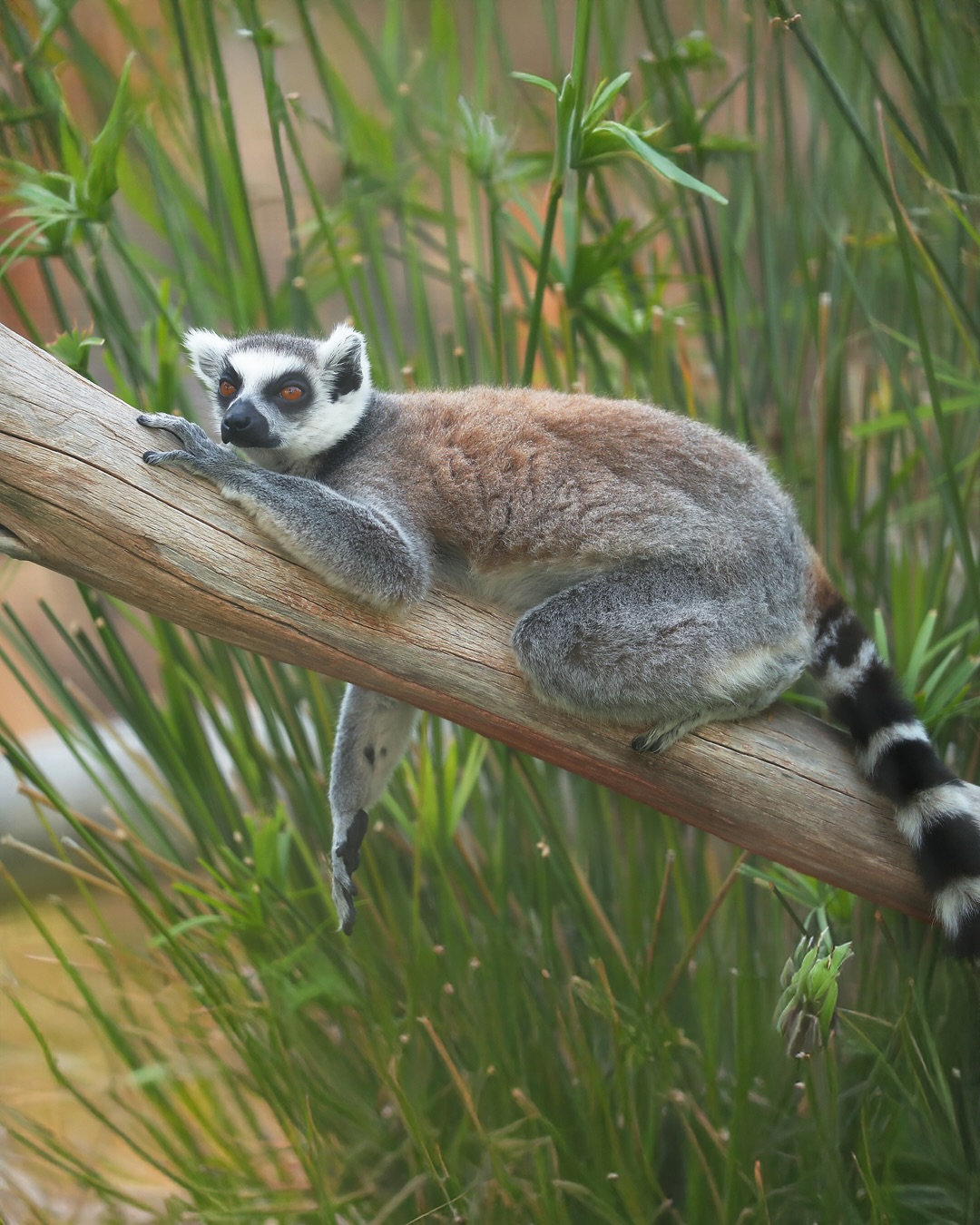
- The daily activities and social structure of the ring-tailed lemur family
- The significance of scent communication and social behaviors in lemurs
- The role of play and competition in lemur society
- Insights into conservation efforts for ring-tailed lemurs
- The importance of family bonds and social interactions among lemurs
The life of a ring-tailed lemur family is a fascinating narrative set high above the ground, within the forest canopies of Madagascar. These primates, known for their distinctive tails with black and white stripes, have a lifestyle that intertwines social connection, playfulness, and competition. Observing these daily activities provides valuable insights into their behavior, communication methods, and the challenges they face in a rapidly changing environment.
From dawn until dusk, ring-tailed lemurs engage in various activities that reflect their vibrant social structure. Early in the morning, as sunlight filters through the trees, the lemurs bask in the warmth. With a communal spirit, they groom each other, a vital activity that fosters bonds and strengthens relationships within the family unit. Grooming serves not only to remove parasites and debris from their fur but also to reinforce social hierarchy among the group. This daily ritual is indicative of their intricate social dynamics and showcases the deep connections that characterize lemur society.
As the day progresses, their playful nature comes to the forefront. Play is essential in the development of young lemurs. It helps them learn critical social skills and establish relationships within their troop. The lemurs often engage in chase games, leaping from branch to branch, showcasing their agility and strength. These playful moments are not just leisure activities; they help young lemurs refine their motor skills and learn the necessary social cues required for group cohesion.
In addition to play, competition arises amongst adults, particularly among males. When resources such as food are available, male lemurs may engage in displays of dominance. However, their competitive behaviors differ significantly from those seen in many other animal species. Ring-tailed lemurs participate in what is humorously termed “stink fights.” This form of competition involves rubbing their tails against scent glands located on their wrists and then waving them in the air toward their rivals.
The concept of scent communication is a cornerstone of how ring-tailed lemurs establish social rankings and navigate their interactions. The olfactory signals emitted during a stink fight convey information regarding an individual’s reproductive status, health, and overall vigor. A strong scent can often deter competitors and elevate an individual’s status within the group. While amusing to observe, these scent displays reflect deep-seated biological and social functions that are critical for survival and reproduction.
This unique method of asserting dominance without physical confrontations is not only effective but also minimizes the potential for injury within the group. In the animal kingdom, physical aggression can take a toll on the health and stability of a social structure. The ring-tailed lemur, through its olfactory communication, exemplifies a sophisticated adaptation that reflects the need for cooperation over conflict. Despite the competitive nature, it is essential to note that these animals have complex social interactions.
As daylight wanes, the social dynamics shift once again. After periods of play and competition, the family unit comes together. At the end of the day, ring-tailed lemurs exhibit affectionate behaviors, opting for close contact and warmth among family members. They form cuddle piles, curling up with one another in a show of affection and community. These moments are critical for reinforcing their family ties and ensuring group cohesion, necessary for their survival in the wild.
In their natural habitat, ring-tailed lemurs face numerous challenges. Habitat loss due to deforestation poses a significant threat to their populations. The rapid transformation of Madagascar’s landscape for agriculture and urban development has led to a decline in their habitats. Conservation efforts play a crucial role in addressing these threats. Various organizations are working on the ground in Madagascar to restore habitats, promote sustainable land use, and protect the remaining lemur populations.
Education and awareness campaigns are essential components of these conservation strategies. By informing local communities about the importance of ring-tailed lemurs in the ecosystem, conservationists foster a sense of responsibility and stewardship. Engaging communities in conservation efforts also empowers them to take action in protecting their natural resources. Every effort counts when working towards habitat restoration and ensuring the survival of these remarkable primates.
Further, the ring-tailed lemur is now a symbol of Madagascar’s rich biodiversity, attracting ecotourism. Responsible tourism can provide critical funding for conservation projects, supporting the very habitats these creatures rely upon. By participating in eco-friendly tourism activities, visitors contribute to the preservation of these unique ecosystems while enjoying the incredible experiences they offer.
Despite the challenges they face, the importance of family bonds among ring-tailed lemurs remains steadfast. These relationships are crucial for the survival of the individuals and the troop as a whole. By fostering strong social connections, lemurs can rely on each other for support during difficult times. Loneliness can be detrimental in the animal kingdom, but for the ring-tailed lemur, the collective strength of family means they are never alone.
In summary, a day in the life of a ring-tailed lemur family is filled with activity, social interaction, and adaptability. From their grooming rituals to playful pursuits, these animals exemplify a remarkable social structure characterized by cooperation and competition. Their unique methods of communication, especially through scent, highlight the intricate social dynamics that play a crucial role in their lives.
Conservation efforts remain pivotal in securing the future of the ring-tailed lemurs. As stewards of the environment, we hold the power to protect their habitats, ensuring that future generations can continue to witness the charm and complexity of life high up in the treetops, where these remarkable creatures thrive. Through education, support, and engagement with conservation initiatives, we can contribute to the longevity of families like the ring-tailed lemurs, celebrating the beauty of their existence in our world.
*****
Source Description
يوم في حياة عائلة الليمور حلقي الذيل🌳☀️
هناااك في أعالي الأشجار تحت سماء ممشى الليمور في حديقتنا الجميلة💚
تسود أحيانًا أجواء من المنافسات الشقية👀 خصوووصاً عندما تكون هناك أشعة شمس منعشة لجلسة استرخاء صباحية🌞 أو وجبة من الفواكه البااااردة تستحق المشاركة🍓🫐 نتحدث هنا يا أصدقاء عن أللللطف منافسة قد تمر عليكم💚 حيث أن عائلة الليمور لا تتشاجر عبر الصوت أو المخالب كبقية أصدقائهم في مملكة الحيوان🙂↔️ بل ينطلقون في مناوشات شقية عبر الروائح🙂↕️ نعم نعم، هذا صحيييح🤭! حيث يقوم السيد ليمور بفرك ذيله بغدد عطرية على معصمه ثم يلوّح بها في الهواء ضد منافسيه. نطلق على هذا العرض اسم “صراع الروائح😌☝🏻” وهو بنفس الغرابة التي يبدو عليها😆! قد تبدو هذه المبارزات الطريفة مضحكة، لكنها جزء مهم من طريقة تواصل عائلة الليمور بل وإنها طريقتهم لمعرفة من الأقوى بينهم😎✌🏻ولكن☝🏻..
بغض النظر عمّن يفوز في المعركة🏆، هناك شيء واحد لا تقاومه عائلة الليمور إطلاااقا.. وهو الاحتماء ببعضها والتعانق في نهاية اليوم🥹🫶🏼
فبعد كل القفزات والمنافسات المشاكسة، ليس هناك ما هو أجمل من حضن عائلي دافئ وحنوووون💚🤏🏼
.
.
A Day in the Life of the Lemur’s family☀️🌳
High up in the treetops under the sky of our Lemur Walk at Al Ain Zoo💚, things can get a little… Competitive👀
Especially when there’s sunshine to soak in🌞 or delicious snacks to share🍓🫐. When Lemurs want to show who’s the boss😎 they don’t growl or fight🙂↔️, they have scent wars🙂↕️!
That’s right, they rub their tails with special scent glands
on their wrists and wave them in the air at each other✨
It’s called a stink fight, and yes, it’s exactly as wild as it sounds🤭! These tail-waving duels might look funny, but they’re totally serious lemur business✨ The stronger the smell, the higher the bragging rights😎✌🏻But no matter who wins the stinky showdown🏆 There’s one thing lemurs LOVE more than ANYTHING✨
& that’s snuggling up together at the end of the day🥹🫶🏼
Because after all the tail-twirling and tree-leaping
There’s nothing better than curling into a fuzzy cuddle pile with your troop💚🤏🏼
.
.
