
- The Role of Zoos in Wildlife Conservation
- The Importance of Animal Care and Management
- Educational Programs Promoting Awareness
- The Value of Community Engagement
- Highlights of a Day at the Zoo
Visiting a zoo can be a fantastic way to experience the wonders of wildlife, and no one embodies this joy more than Keeper Cassi. The phrase “If you ask us, it’s a great day to have a great day at the Zoo!” resonates with the commitment found in these institutions to provide education, care, and conservation. Zoos are not mere attractions; they are vital players in the complex web of wildlife preservation and education.
The Role of Zoos in Wildlife Conservation
Zoos contribute to global wildlife conservation efforts in multiple ways. One significant aspect is their participation in species recovery programs. Endangered species such as the California condor and the Amur leopard have benefited from focused breeding programs within accredited zoos. These institutions partner with conservation organizations worldwide to protect habitats, assist in reintroduction efforts, and conduct research aimed at tackling extinction threats.
Moreover, zoos participate in genetic management through captive breeding programs. By carefully selecting breeding pairs, zoos can maintain genetic diversity, which is crucial for the survival of species in the wild. Genetic research has shown that limited gene pools can lead to inbreeding, which reduces a population’s resilience to disease and changes in the environment. When zoos provide a genetically diverse stock of animals, it strengthens the genetic foundation for future reintroduction into the wild.
Zoos also play a vital role in public engagement with conservation efforts. By showcasing animals that are at risk due to habitat loss, poaching, and climate change, zoos can educate visitors about the delicate balance of ecosystems. The emotional connections visitors make with animals can inspire action, making them more likely to support conservation initiatives. Informal education gained during a zoo visit may lead to advocacy for conservation policies or even personal lifestyle changes that benefit wildlife.
The Importance of Animal Care and Management
Animal care is a cornerstone of zoo operations. Facilities have established best practices for ensuring each animal’s well-being. This encompasses physical health, mental stimulation, and social structure. Zoos employ various experts, including veterinarians, animal behaviorists, and nutritionists, to create individualized care plans.
Daily routines may include enriching environments with objects that encourage natural behaviors. For example, big cats may be provided with climbing structures, while primates benefit from toys that stimulate foraging. These enrichment activities are crucial for preventing stress and promoting overall health. Enrichment is not just enjoyable; it is essential for physical and mental wellness.
Additionally, proper nutrition is a significant aspect of animal management. Zoos aim to replicate the natural diets of animals as closely as possible. This might involve specific dietary adjustments based on the nutritional needs of individual animals. When dietary requirements are met, animals exhibit healthier behaviors and lower risks of disease.
Veterinary care is another key element. Regular health assessments allow professionals to monitor the well-being of zoo residents. These check-ups assist in early detection of potential health issues, ensuring that animals lead longer, healthier lives. Advanced veterinary practices, including surgical care and preventative measures, help maintain the zoo’s animal population effectively.
Educational Programs Promoting Awareness
Zoos are not only places for animal observation; they are hubs of learning and awareness. Educational programs vary widely, catering to diverse audiences. Workshops, guided tours, and interactive exhibits aim to inform visitors about wildlife conservation and animal behavior.
Programs often focus on critical conservation topics. For instance, educational efforts may emphasize the significance of biodiversity and the collaborative work needed to protect endangered species. Interactive talks about specific animals, like Keeper Cassi’s sessions on tortoises, make the experience more engaging and memorable. Hands-on opportunities and behind-the-scenes tours offer unique insights into everyday zoo operations.
Moreover, zoos often collaborate with schools to provide field trip experiences that align with educational curricula. These programs make science and environmental studies more tangible. When students observe animal care or learn about ecosystems, they retain knowledge better than traditional classroom methods might allow.
In this capacity, zoos help to foster the next generation of conservationists. By instilling a sense of responsibility toward wildlife early on, zoos can inspire lifelong advocates for animal welfare.
The Value of Community Engagement
Arguably, community engagement amplifies the zoo’s mission of education and conservation. It fosters a connection between the institution and the public, leading to a more invested community. Zoos often host community events, workshops, and volunteer opportunities that invite local residents to participate in conservation efforts.
Community outreach initiatives can also extend beyond zoo boundaries. Collaborating with local organizations, zoos can lead habitat restoration projects or awareness campaigns. Collaborative initiatives solidify the idea that wildlife conservation is a shared responsibility.
Community engagement also brings the zoo a wealth of knowledge and perspectives. Feedback from visitors can inform how zoos develop programs. Understanding what captivates audiences helps in optimizing educational messages and enhancing visitor experiences.
The Zoo’s role transcends its physical location; it becomes a part of the community fabric. As visitors interact with wildlife and their environments, they grow in awareness and responsibility. This can result in increased support for local conservation initiatives, enhancing the overall effectiveness of wildlife preservation.
Highlights of a Day at the Zoo
A day spent at the zoo can be both enriching and fun for visitors of all ages. From lively animal exhibits to towering trees, every corner of the zoo offers something special. The experience allows individuals to observe animals in environments designed to mimic their natural habitats.
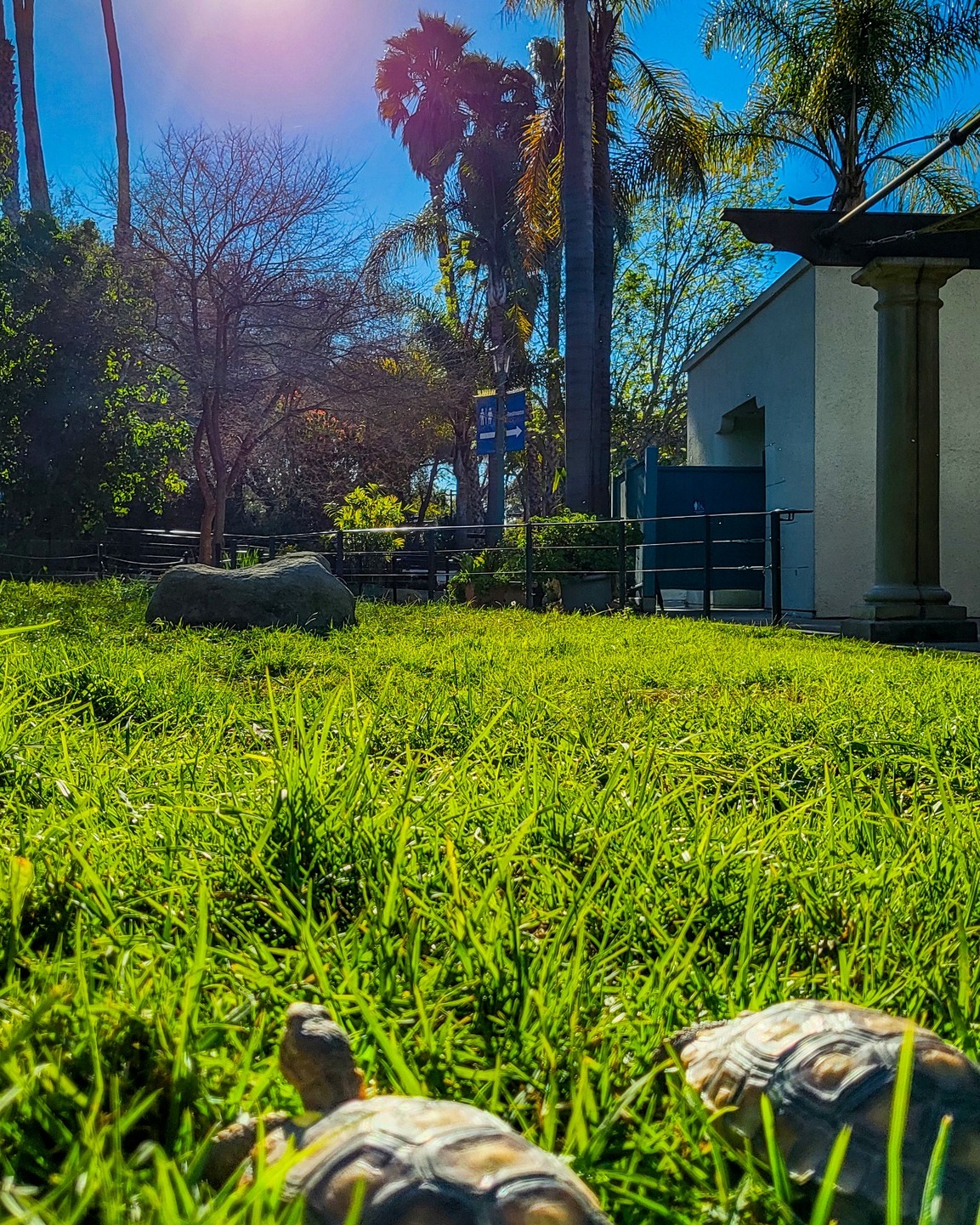
At the Discovery Pavilion, where Keeper Cassi often operates, visitors can closely observe fascinating species like desert tortoises. Witnessing tortoises graze on grass can be an endearing encounter. Visitors can appreciate their slow-paced lifestyles while learning why these animals are crucial for their ecosystems.
Diverse exhibits showcase everything from tropical rainforest species to arctic animals. Observing the social behaviors of primates or the majesty of large carnivores sparks curiosity about their lives and challenges in the wild. Each display highlights the importance of preserving global biodiversity, emphasizing that every species plays a role in its ecosystem.
Educational signs and interactive exhibits enhance visitor understanding, making every animal encounter more meaningful. Scheduled talks by keepers offer insights into the animals’ lives, unique characteristics, and conservation needs. Engaging directly with the animal care team makes for an unforgettable experience.
Special events on designated days keep the excitement alive. These can range from themed festivals focused on specific animal groups to conservation workshops and family-friendly activities. Each visit and engagement reinforces the fundamental role that zoos can play in fostering understanding, appreciation, and action for wildlife conservation.
Keeper Cassi embodies the spirit of enthusiasm shared by zoo staff. Her motto, “If you ask us, it’s a great day to have a great day at the Zoo!” reflects the positive impact that wildlife facilities can impart on visitors. Every interaction, tour, and educational program contributes to building a culture of conservation.
Zoos serve multifaceted roles in society. Through their commitment to conservation, education, animal welfare, and community engagement, they contribute to creating a healthier planet for diverse species. A visit to the zoo may serve as a delightful escape, but it is much more than that; it is an opportunity to be part of a collective movement toward understanding, protecting, and celebrating wildlife.
Every day at the zoo promises renewed connections between people and nature, backed by a mission to sustain life in all its forms and inspire future generations.
*****
Source Description
If you ask us, it’s a great day to have a great day at the Zoo! 🤩
📸: Keeper Cassie
Alt-text: A pair of small desert tortoises crawl through the bright green grass on the lawn behind the Zoo’s Discovery Pavilion on a sunny day.
