
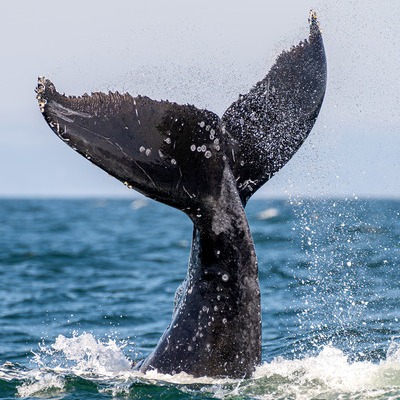
- The historical context of marine mammal hunting and its impact on populations
- The introduction and significance of the Marine Mammal Protection Act of 1972
- The recovery of marine mammal populations in protected areas
- The commitment of various stakeholders in ocean conservation
- Best practices for engaging with marine wildlife responsibly
The endangered state of marine mammals stems from centuries of unregulated hunting. In the early 20th century, the demand for whale oil and fur drove many species to precarious numbers. Historical records reveal that species like the blue whale and northern fur seal suffered catastrophic population losses, primarily due to industrialized hunting practices. Inadequate regulations allowed for rampant exploitation, nearly leading to the extinction of several marine mammals. The plight of these animals galvanized public awareness and drew attention to the critical need for legislative protections.
The Marine Mammal Protection Act (MMPA) of 1972 marked a pivotal point in American conservation efforts. This landmark legislation established a comprehensive framework to protect marine mammals from exploitation and ensured their survival in U.S. waters. The Act made it illegal to hunt, harass, capture, or sell marine mammals without federal approval. It also prohibited the importation of marine mammals and their products, anchoring a commitment to the conservation of these species. The MMPA remains one of the most progressive pieces of legislation in environmental law, reflecting a societal shift toward valuing marine biodiversity.
The impact of the MMPA has been profound. Regions like the Monterey Bay National Marine Sanctuary illustrate the Act’s success, serving as a sanctuary for over 36 marine mammal species. Among these are the southern sea otter, which has rebounded from near extinction thanks to dedicated conservation efforts. In the early 2000s, population counts indicated total numbers had climbed past 3,000 individuals, a remarkable recovery from past threats that had reduced their numbers to fewer than 50. Such success stories underpin the importance of protection measures and illustrate the resilience of marine ecosystems when given the chance to recover.
The commitment to ocean conservation extends beyond legislative measures. Various stakeholder groups, including nonprofit organizations, government agencies, and local communities, work collaboratively to promote awareness and protection for marine mammals. Educational programs aim to inform the public about the critical role marine mammals play in ocean ecosystems. Outreach efforts highlight the interconnectedness of all marine life, emphasizing that a healthy ocean depends on the conservation of each species.
These collaborative efforts encourage individuals to engage responsibly with marine wildlife. Learning proper ways to interact with these creatures fosters respect and ensures continued protection for these populations. For instance, maintaining a distance of at least 50 yards from seals and 100 yards from whales is crucial to minimize stress on the animals. Furthermore, boaters are encouraged to reduce speeds around kelp forests, where many marine mammals rest and forage. Reporting any distressed animals to local authorities is another essential practice for individuals who may encounter marine mammals in need.
Ocean conservation requires collective action where every participant plays a vital role. Educating ourselves and others contributes to a broader understanding of marine ecosystems and the importance of each species within them. This shared responsibility nurtures a culture of conservation that aims for both preservation and recovery.
Success in ocean conservation is not solely dependent on laws or policies but relies on public engagement and awareness. Marine mammals continue to face challenges from climate change, pollution, and habitat loss. Addressing these threats requires proactive measures from all corners—individuals educating themselves, researchers pushing the boundaries of knowledge, and policymakers advocating for stronger protections.
Marine mammals are not just iconic species; they represent our ocean health. Their presence reflects the overall condition of marine environments. By recognizing the ways in which human actions can disrupt their lives, we foster a culture that understands the consequences of environmental negligence and the significance of sustainable practices. Community-driven initiatives, like clean-up efforts and habitat restoration projects, play a notable role in removing obstacles to marine mammals’ recovery.
Sustainable tourism also plays an integral part in conserving marine environments and their inhabitants. Establishing eco-friendly practices ensures that marine mammals can thrive while providing opportunities for people to enjoy them responsibly. Responsible tour operators adhere to regulations and guidelines that minimize harm. Engaging educational experiences elevate awareness, contributing to an informed populace more likely to advocate for lasting change.
Public awareness campaigns highlight the importance of understanding marine ecology. These efforts invite people of all ages to participate actively in ocean preservation. School programs focused on marine conservation teach children the importance of protecting marine life and inspire future generations to continue the work. Local wildlife centers often partner with schools to provide hands-on experiences, enhancing knowledge and passion for ocean stewardship.
The narrative of ocean conservation is one of hope and resilience. As we witness the recovery of marine mammal populations, we are reminded of our capacity to effect positive change. Legislative frameworks like the MMPA demonstrate how laws can pivot the course of conservation efforts, while grassroots movements amplify individual voices in support of marine life.
The lessons from marine mammal conservation extend beyond oceans. They remind us that the health of our planet is interconnected. The success of marine mammals is a testament to what can be accomplished when society recognizes its responsibility toward the environment. Conservation efforts serve as a model for addressing challenges faced across various ecosystems, urging us to adopt sustainable practices in every aspect of life.
As stewards of the ocean, we must remain vigilant and committed to supporting initiatives that prioritize marine health. Learning how to interact responsibly not only ensures the continued survival of these magnificent creatures but also enhances our connection to the natural world. By committing to marine conservation, we contribute to a hopeful future—one where ocean ecosystems flourish alongside thriving marine mammal populations.
In this shared journey of conservation, every person matters. Just as marine mammals rely on healthy ecosystems, we too rely on them for everything—from food to recreation. Each small action contributes to a larger narrative of hope, resilience, and sustainable stewardship. As advocates for ocean conservation, we can aspire to cultivate an awareness that transcends generations and fosters a more harmonious relationship with the environment.
*****
Source Description
🌊📖 Let us tell you a hopeful tail of ocean conservation that did prevail.
Once upon a tide, marine mammals like whales 🐋, otters 🦦, and seals 🦭 grew scarce. For centuries, people lived alongside them, but as demand for fur and oil rose, hunting expanded, and many ocean species declined.
🦸 In 1972, the Marine Mammal Protection Act came to the rescue.
It declared: no hunting, harassing, capturing, or selling of marine mammals in U.S. waters (except for carefully permitted scientific research to help protect them). It also made it illegal to import marine mammals and marine mammal products into the U.S. without a permit. In short, it asked humans to be kind to oceankind. 💙
This Act was one of the first to protect all marine mammals, and it’s still protecting them today. Thanks to it, the Monterey Bay National Marine Sanctuary is a safe home for over 36 species of marine mammals, and we have seen populations recover from near-extinction (we’re looking at you, southern sea otters!).
So next time you spot a whale spout or a snoozing sea otter, thank the MMPA, and remember:
🐋 Stay at least 50 yards away (100 yards for whales)
🛥️ Slow down near kelp beds
🚫 Don’t surround or chase wildlife
📞 Report animals in distress
Because a healthy ocean story needs every character to thrive. 💫
