
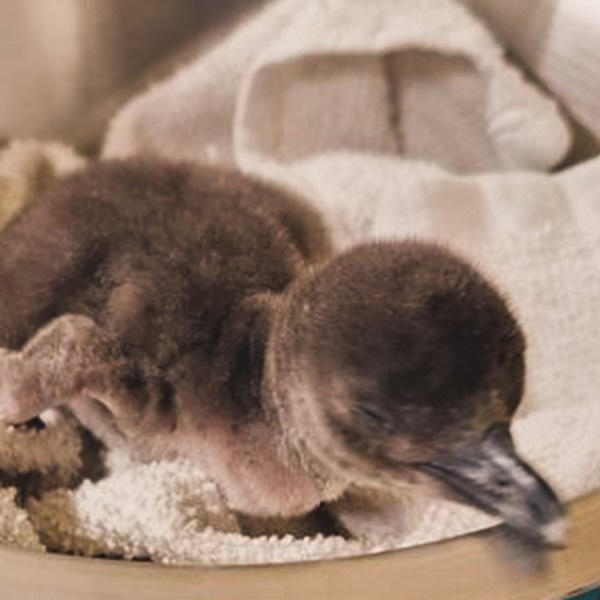
- Baby penguin characteristics and hatching process
- Role of zookeepers in chick care
- Importance of penguin parental behavior
- Significance of swimming lessons for penguin chicks
- Ongoing conservation efforts for penguins
A baby penguin named Fancy Pants has recently emerged into the world, adding to the vibrant ecosystem of SeaWorld San Antonio. This event, which marks not only the joy of new life but also the ongoing story of penguin conservation, involves meticulous processes and dedicated animal care. Let’s explore the fascinating journey of this little chick, from hatching to swimming lessons, and the broader implications for wildlife conservation.
The hatching process of a penguin chick is remarkable. The term “pipping” refers to the first stage of hatching when the chick uses its beak to break through the eggshell. This process can take several hours as the chick slowly cracks open its confinement. The hatching of the chick takes place after a 39 to 42 day incubation period. After this duration, Dee and Admiral Fancy Pants welcomed their new chick into the world on May 10. The moment captures not only the biological processes that define avian reproduction but also the dedication of the parent penguins.
The physical attributes of the new chick offer fascinating insights into penguin development. At birth, the chick weighed 148.1 grams and is covered in soft brown down feathers. These initial feathers serve as an insulation layer, which protects the chick from cold temperatures. As the chick matures, the down will transition to gray and, eventually, the iconic black and white plumage characteristic of adult penguins will develop over the course of the first year. This feather change is essential for thermoregulation and camouflage, as adult penguins require the ability to blend into their environment, both on land and in the water.
Zookeepers play a substantial role in the first weeks of the chick’s life. According to Kenny Riley, Penguin Area Supervisor, the protocol during this period is to allow the parents to engage in natural rearing behavior with minimal human interference. For the first three weeks, keepers monitor the situation strictly to assess the chick’s growth, primarily through weight checks. This approach allows the parents to closely bond with the chick, an important aspect of nurturing and learning essential survival skills.
While the parents are responsible for feeding and caring for their chick, zookeepers work behind the scenes to ensure that Dee and Admiral Fancy Pants have access to an adequate food supply. Since penguins primarily feed on fish, it is critical that the zookeepers maintain a well-stocked diet for the parents as they take on the responsibility of nourishing their offspring. Adult penguins exhibit remarkable foraging skills to locate food in their oceanic habitats, and this experience is critical in teaching the young chick what to do when it’s mature enough to swim.
Once the initial nurturing phase concludes, the chick will soon embark on swimming lessons. In just three months, the new penguin will have its first swimming lessons with zookeeper Kenny. For penguins, swimming is essential for survival, especially when they seek to catch prey. The chick’s success in these lessons will be a significant milestone, marking the transition from a dependent chick to an autonomous young penguin. This learning process is vital, providing the chick with the skills necessary to navigate its aquatic environment safely and effectively.
The birth of this penguin chick is more than just a joyful event at SeaWorld; it has broader implications for conservation efforts. Penguins face numerous challenges in their natural habitats, including climate change, pollution, and overfishing. zoos and aquariums like SeaWorld play a crucial role in species preservation by educating the public, conducting research, and participating in species recovery programs. By highlighting the journey of this new chick, the park aims to raise awareness about the challenges penguins face in the wild.
Awareness and understanding are critical components of building a future where penguins can thrive. Educational programs, like those at SeaWorld, often focus on the importance of ecosystem conservation. Penguins are indicators of ocean health, and their well-being is closely linked to the state of marine environments. When penguins flourish, it often reflects a robust ecosystem, making their survival essential not just for their species, but for the entire food web.
In the context of wildlife management, the situation of Dee, Admiral Fancy Pants, and their chick emphasizes the importance of a balanced approach in animal care. The partnership between animals and humans in zoos fosters a mutual exchange of knowledge and skills. While penguins in the wild rely on instincts and natural selection, those in protected environments benefit from human management that enhances their living conditions and promotes species continuation.
Moreover, these experiences create opportunities for direct engagement with the public. By sharing moments like the hatching of a penguin chick, SeaWorld fosters connections that motivate visitors to care more about marine environments. Public education initiatives illustrate how individuals can contribute to conservation efforts, whether through advocacy, volunteering, or conscientious consumer choices.
Penguin chicks serve as a symbol of hope in understanding wildlife conservation. Watching them grow, learn to swim, and eventually thrive in their environment inspires a sense of responsibility. It spurs a call to action among various stakeholders — from families visiting SeaWorld to policymakers responsible for environmental regulations. These experiences have the power to transform public attitudes toward wildlife and provoke critical discussions about the changes necessary for a sustainable future.
The life cycle of a penguin chick, from hatching to independent swimming, serves as more than a narrative of growth; it reflects the interconnectedness of species and ecosystems. As this baby penguin matures within the nurturing environment of SeaWorld, it embodies the collaborative effort needed to support wildlife conservation. Each step of its life reminds us of the broader environmental challenges and our role in shaping a sustainable world.
The arrival of Dee and Admiral Fancy Pants’s chick enriches the Atlanta-area ecosystems and reinforces the importance of penguin conservation. From the initial pipping to swimming lessons, this penguin’s life story highlights vital aspects of species management, animal care, and public engagement. As we continue to witness its journey, we also affirm our commitment to protecting these remarkable creatures and their habitats.
In balancing the wonders of nature with the responsibilities we carry, the new arrival at SeaWorld is not just a baby penguin; this chick symbolizes hope for the future of penguins everywhere, underscoring the collective importance of awareness, education, and conservation. Through focused efforts in zoology and wildlife management, we can work towards ensuring these enchanting birds continue to thrive for generations to come.
*****
Source Description
🐧 A Baby Penguin is Born!
The chick was born to proud parents Dee & Admiral Fancy Pants and sisters General Chaos & Empress Mom Jeans (MJ) on Saturday, May 10!
❤️Facts shared by proud zookeeper Kenny Riley, Penguin Area Supervisor:
1️⃣ Pipping is when chicks use their beak to start breaking open the shell.
2️⃣ Gender of chick will be determined later via a blood test.
3️⃣ Chicks are born with brown down feathers. These feathers will become gray when they get a bit older. They will not get their chareactersistic black and white feathers until a full year after hatching.
4️⃣ Chick weighed 148.1 grams two days after hatching.
5️⃣ Zookeepers allow parents to care for chicks with little disturbance during the first 3 weeks. Keepers only check in to get weights of the chick.
6️⃣ Zookeepers make sure Mom and Dad have enough fish to feed the chick!
7️⃣ Once egg is laid, parents incubate it for 39-42 days.
8️⃣ In 3 months, they will be taking swimming lessons with Kenny!
SeaWorldSanAntonio
