
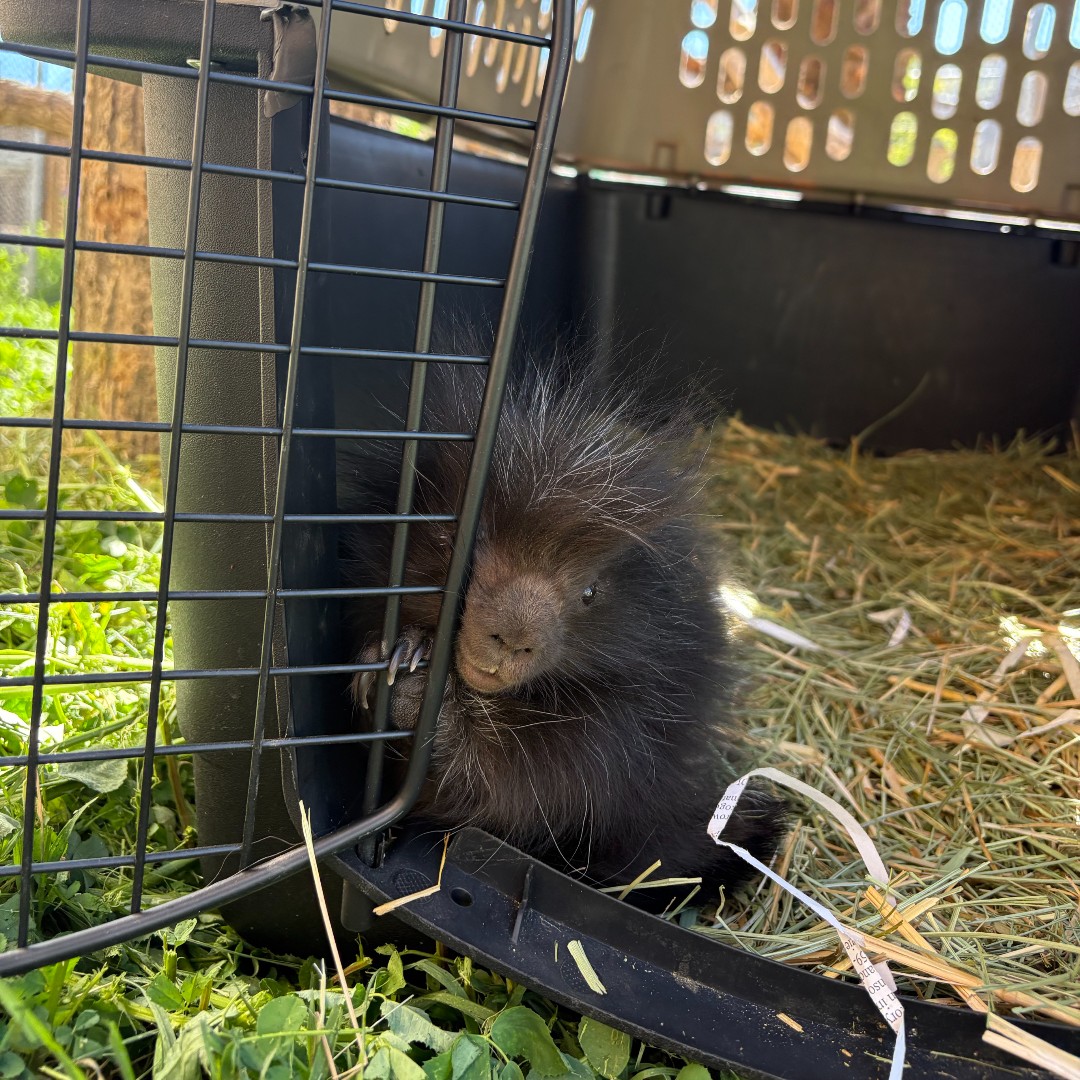
- Understanding the growth and development of a porcupette in captivity
- Exploring habitat enrichment and behavioral milestones
- The role of zoo management in porcupette care
- Contributions of wildlife conservation to porcupine populations
- Educational value and public engagement in zoos
Porcupines are fascinating creatures, with their newborns, called porcupettes, captivating the hearts of animal enthusiasts around the world. Observing a porcupette’s growth provides insights into their biology and behavior, especially within the innovative confines of a zoo. Let’s delve into the intricate journey of our growing porcupette, now weighing around 3.5 pounds, as it embarks on new adventures.
Understanding the growth and development of a porcupette in captivity is fundamental to both wildlife enthusiasts and zoologists. In the wild, a porcupette is born relatively undeveloped but quickly gains strength. Its quills, initially soft, begin to harden within hours, providing essential protection. The quick development of these defensive spines is a distinctive feature in their early life stages, essential for survival against predators.
In captivity, such as in a zoo, careful monitoring of a porcupette’s weight and health is paramount. At 3.5 pounds, a porcupette is making significant strides towards maturity. Nutrition plays a vital role in this growth, with a diet tailored to provide the appropriate balance of nutrients. Dairy is often replaced by solid foods, including a variety of fruits, vegetables, and specialized pellets that mimic their natural diet.
Exploring habitat enrichment and behavioral milestones is crucial to ensuring (fewer than three uses of this word are allowed) the mental and physical development of porcupettes. Exposure to diverse elements within their environment, like grass and foliage, aids in honing their natural instincts. As our porcupette steps onto the grass for the first time, it embarks on a crucial phase of exploration and sensory development. Interacting with different textures and surfaces not only enriches their experience but also stimulates essential behavioral responses.
The little porcupette’s gradual shift from dependency to curiosity reflects typical developmental milestones observed in their wild counterparts. Shyness is natural, indicating an appropriate behavioral response to unfamiliar stimuli. Nevertheless, with progressive exposure, this timid demeanor often transitions into inquisitivity, indicating healthy psychological growth.
The role of zoo management in porcupette care is indispensable. Dedicated teams of zookeepers, veterinarians, and researchers coordinate their efforts to create an optimal environment for young porcupines. Daily care routines include tracking weight, ensuring (fewer than three uses of this word are allowed) diet adequacy, and maintaining a clean habitat to prevent disease. Veterinary evaluations are conducted regularly to track physical health and address any issues promptly.
Educators within zoos utilize these animals to highlight broader themes in ecology and conservation. The porcupette becomes a vehicle for promoting greater awareness of wildlife conservation efforts. Visitors learn about the challenges porcupines face in the wild, such as habitat destruction and poaching, thus fostering a sense of responsibility towards environmental stewardship.
Contributions of wildlife conservation to porcupine populations can’t be understated. Many species face threats from habitat loss and hunting pressures. Zoos participate in breeding programs that not only augment wild populations but also study genetic diversity. Maintaining healthy, diverse populations in captivity ensures resilience against diseases and environmental changes, while potentially supporting reintroduction projects.
Collaborations between zoos and conservation organizations facilitate the exchange of data and best practices. These partnerships enhance knowledge about porcupines’ natural habitats, enabling better management and preservation strategies. Protecting these animals requires a multifaceted approach, addressing both direct protection measures and advocacy for habitat conservation and restoration.
Educational value and public engagement in zoos play a significant role in wildlife conservation. Zoos serve as living classrooms, where visitors are introduced to the intriguing world of porcupines. Interactive exhibits and informative sessions about our growing porcupette create a vibrant learning experience, fostering curiosity and a connection to wildlife.
These programs encourage empathy and motivate the public to participate in conservation efforts. When visitors see the active involvement zoos have in animal care and conservation, they are more likely to develop an appreciation for the natural world and contribute to its preservation.
Our little porcupette, peeking into your feed with a quilly cute update, serves as a charming ambassador for wildlife conservation. As it grows and explores its environment, not only does it capture hearts, but it also educates and inspires future generations to value and protect our natural heritage.
*****
Source Description
Peeking into your feed with a *quilly* cute update 🤭
Our little porcupette is growing fast—now weighing about 3.5 pounds and starting to explore more on their own! There’s even been a first step onto the grass in their habitat🌱 While still a bit shy, they’re hitting all the right growth and behavioral milestones like a champ.
