
- The significance of polar bears within their ecosystem.
- The impact of climate change on polar bear habitats.
- Caitlin’s firsthand experience and insights gained from the Climate Alliance Program.
- Collaborative efforts to educate and inspire action among zoo visitors.
- Steps individuals can take to support polar bear conservation.
Polar bears, known scientifically as Ursus maritimus, play a critical role in their environment, particularly in the Arctic ecosystem. As apex predators, they help maintain the balance of the marine food web by controlling the population of seals, their primary prey. This balance is essential for the health of the entire Arctic ecosystem, as the presence of polar bears indicates the overall health of sea ice and ocean habitats. Their hunting practices shape the behaviors and populations of other species within their habitat.
In recent decades, climate change has become a pressing concern for polar bears. As global temperatures rise, Arctic sea ice is disappearing at an alarming rate. The Arctic is warming approximately twice as fast as the global average, leading to thinner ice and reduced habitats for polar bears. This loss of sea ice means that bears have to travel farther and expend more energy to find food. Furthermore, it disrupts their breeding habits and can lead to lower survival rates for cubs. The changing climate not only affects polar bear populations but also threatens the rich biodiversity of the Arctic region.
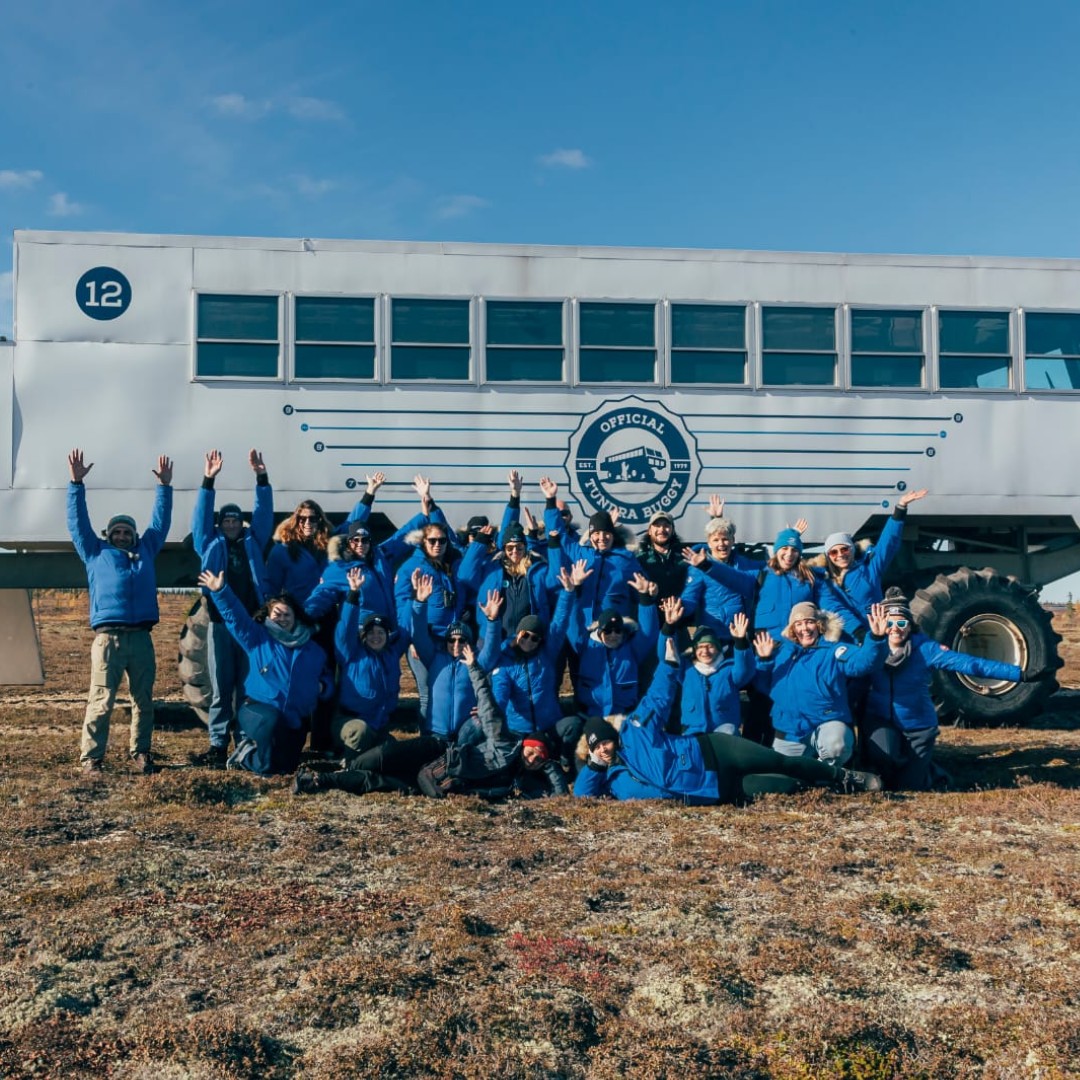
Caitlin’s experience in Churchill, Manitoba, through the Climate Alliance Program with Polar Bears International (PBI), offered her a rare opportunity to gain firsthand insights into the challenges polar bears face today. During her visit, Caitlin observed polar bears in their natural habitat, witnessing their behaviors during a critical season when they prepare for the long Arctic winter. The beauty of polar bears in the wild deepened her appreciation for these magnificent animals and underscored the urgency of their conservation.
In addition to observing polar bears, Caitlin participated in discussions and knowledge-sharing sessions with zoo professionals, researchers, and local community members. This collaboration allowed her to explore different perspectives on polar bear conservation, emphasizing the need for a multifaceted approach to education and outreach. Through sharing knowledge, they can inspire others to participate in conservation efforts.
One of the key takeaways from Caitlin’s journey was the importance of communication. By developing plans to inform the public about the challenges polar bears face, she aims to motivate individuals to take meaningful action. Case studies have shown that informed communities are more likely to engage in conservation efforts, whether by reducing their carbon footprints or advocating for policies that protect polar bear habitats. Caitlin’s insights will help to forge a direct connection between the knowledge gained during her trip and the actions that individuals can take in their daily lives.
The Churchill Northern Studies Centre was another highlight of Caitlin’s trip. This organization is at the forefront of Arctic research and education, addressing the consequences of climate change in the region. The center serves as a hub for scientists and educators dedicated to studying flora and fauna in the Arctic ecosystem. By engaging with scientists at the center, Caitlin was able to learn about ongoing research initiatives, including studies on sea ice dynamics, polar bear behavior, and the impacts of climate change on local wildlife.
Through her experiences, Caitlin is eager to inspire zoo visitors to become advocates for polar bear conservation. The Journey to Churchill exhibit at her zoo provides an engaging platform to educate the public about polar bear habitats, the challenges they face, and the importance of preserving the Arctic ecosystem. By making connections between the animals in the zoo and their wild counterparts, Caitlin can foster a deeper understanding of the impact human actions have on ecosystems worldwide.
Zoo visitors can engage with the conservation message by asking questions about polar bears and seeking guidance on how to contribute positively. One crucial step individuals can take is to educate themselves about climate change and its consequences. Open discussions within the community can promote awareness and inspire collective action.
Reducing one’s carbon footprint is another effective strategy for supporting polar bear conservation. Simple changes, such as using energy-efficient appliances, reducing meat consumption, and choosing sustainable products, can contribute to a larger movement aimed at combating climate change. By adopting environmentally friendly practices, individuals can play a part in preserving polar bear habitats.
Another avenue for supporting polar bears is through active participation in conservation organizations. Many groups, including Polar Bears International, offer opportunities for volunteers and activists to get involved. These organizations work tirelessly to raise awareness, conduct research, and advocate for policies that protect polar bears and their habitats. By supporting their efforts, individuals can amplify the message of polar bear conservation on a broader scale.
Caitlin’s journey has equipped her with knowledge and a passion for polar bear conservation that she is eager to share with others. Her experiences reflect the crucial role of education in fostering a wider understanding of climate change and its impact on polar bears. By inspiring others to take action, Caitlin helps build a future where polar bears can thrive in their natural habitats.
In summary, polar bears are essential to the Arctic ecosystem, and their survival is closely tied to the health of the sea ice upon which they rely. Climate change presents unprecedented challenges to both polar bears and the wider biodiversity of the Arctic. Caitlin’s journey to Churchill provided her with invaluable insights, emphasizing the power of education and community engagement in conservation efforts.
Zoo visitors have an opportunity not only to learn about polar bears but also to become advocates for their conservation. Simple lifestyle changes, community involvement, and support for conservation organizations can collectively make a significant difference. Every action counts, and by working together, society can help protect polar bears and ensure a sustainable future for them and their environment.
*****
Source Description
An unforgettable journey with a purpose. 🐻❄️
This fall, a long-time member of our animal care team, Caitlin, had the opportunity to travel to Churchill to participate in the Climate Alliance Program with @polarbearsinternational (PBI).
We are a proud member of PBI’s Arctic Ambassador Centre Network which enables us to participate in this program, collaborate on research, education, and help address the challenges polar bears face in the Arctic.
During this once-in-a-lifetime trip, Caitlin had the opportunity to:
🐻❄️ Observe polar bears in their wild habitat.
🐻❄️ Learn and share knowledge with Zoo professionals, researchers, and local community members.
🐻❄️ Develop plans to help inform others of the challenges facing polar bears, and inspire them to take action.
🐻❄️ Visit the Churchill Northern Studies Centre (@churchillscience), and explore the tundra with Frontiers North Adventures (@frontiersnorth).
Caitlin shared, “I’ve learned a lot from people in the community up there, from the scientists that are working up there, and from people who live with the polar bears year-round. Seeing polar bears in the wild, especially at this time of year, is very inspiring to me.”
Now, Caitlin is looking forward to sharing her knowledge with Zoo visitors.
“I was able to learn a lot more about climate change. I hope that I can share that with Zoo guests and inspire other people to make important changes in their lives to help the polar bears.”
🐻❄️ Ready to learn how you can make an impact?
When you visit the Zoo, ask us about our bears and how we can help their wild counterparts. We love talking about polar bears! You can read about polar bears, the Arctic, and conservation efforts around the Journey to Churchill exhibit at the Zoo.
