
- The role of kelp forests in marine ecosystems
- Introduction of new species and their impact
- The importance of biodiversity in ocean conservation
- Interactions between species and their environments
- Community engagement and education in wildlife conservation
Kelp forests are vibrant underwater ecosystems that serve multiple functions, crucial for marine life and human activities. These large brown algae provide food, habitat, and a nursery for countless marine animals, forming a complex community with high levels of biodiversity. Kelp not only contributes to the ecological balance but also supports fisheries and protects coastlines from erosion. Understanding the importance of kelp forests highlights the need for their conservation.
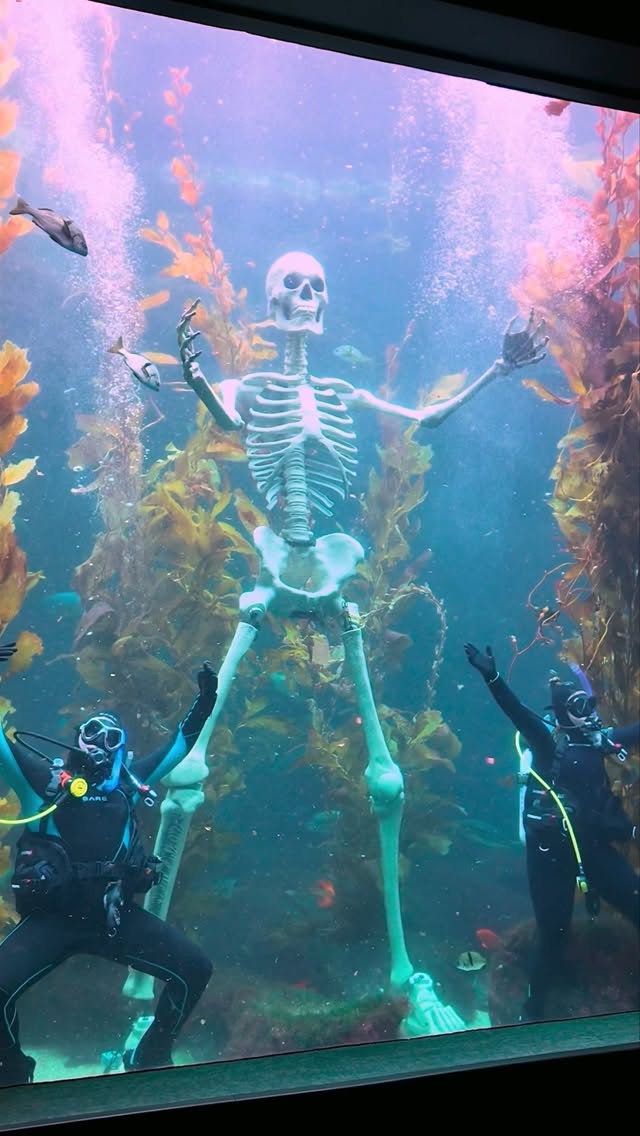
The introduction of new species into marine environments can have a cascading effect on existing ecosystems. Recently, an intriguing new character, humorously referred to as a “bone-afide” friend, has emerged in certain areas of the Giant Kelp Forest. This new species may not only attract public interest but also influence existing species by altering food webs and habitats. The arrival of such species often initiates changes in predator-prey dynamics, which can be both beneficial and detrimental to the local ecosystem. Observing and studying these introductions enhances our knowledge of marine biology and emphasizes the necessity of careful management practices.
Biodiversity is the cornerstone of healthy ecosystems. In coastal waters, a myriad of life forms, from tiny plankton to large predators, coexist. Each species plays a distinctive role, contributing to the overall functioning and resilience of the ecosystem. Greater biodiversity often increases stability, allowing ecosystems to withstand disturbances such as climate change or pollution. Protecting these diverse habitats, like kelp forests, is vital for maintaining marine health and productivity. Educational initiatives that promote awareness of biodiversity can inspire community action and support conservation efforts.
The interactions between different species in kelp forests are intricate. Various organisms, including fish, invertebrates, and mammals, all interact with each other and their environment in unique ways. For instance, herbivorous fish feed on kelp, helping to control kelp growth while also providing food for larger predators. Predatory species, such as sea otters, contribute to maintaining the whole ecosystem by controlling prey populations. This interconnected web of relationships illustrates the delicate balance required for ecological health. Understanding these interactions aids in effective conservation strategies that promote species coexistence.
Community engagement plays a crucial role in wildlife conservation. Educating the public about the significance of kelp forests and the species that inhabit them fosters a sense of responsibility and stewardship. Programs that involve local communities in conservation efforts, such as beach clean-ups or citizen science projects, can create a profound impact. By encouraging participation, individuals feel a connection to their local environment, which can lead to more informed decisions about marine preservation. Creating awareness through events and hands-on activities not only facilitates learning but also builds a stronger community dedicated to protecting marine life.
Preserving the health of marine ecosystems, particularly kelp forests, requires active involvement and informed decision-making. The complexities of ocean environments demand comprehensive knowledge and a proactive approach to conservation. By understanding the importance of species introductions, biodiversity, species interactions, and community education, we can formulate impactful strategies that support environmental stewardship in our oceans. Engaging with the vibrant activities of the Giant Kelp Forest not only enriches our knowledge but also reinforces our commitment to protecting marine life.
*****
Source Description
💀 A skele-ton of fun is waiting under the sea 💀
A bone-afide new friend is making waves in our Giant Kelp Forest … come sea for yourself!
