
- Understanding the Misconceptions About Moray Eels’ Coloration
- The Role of Mucus in Moray Eels’ Health and Protection
- The Importance of Aquatic Habitats and Conservation Efforts
- Visiting the Splash Park: A Family-Oriented Environmental Experience
- The Significance of St. Patrick’s Day and Its Cultural Ties to Nature
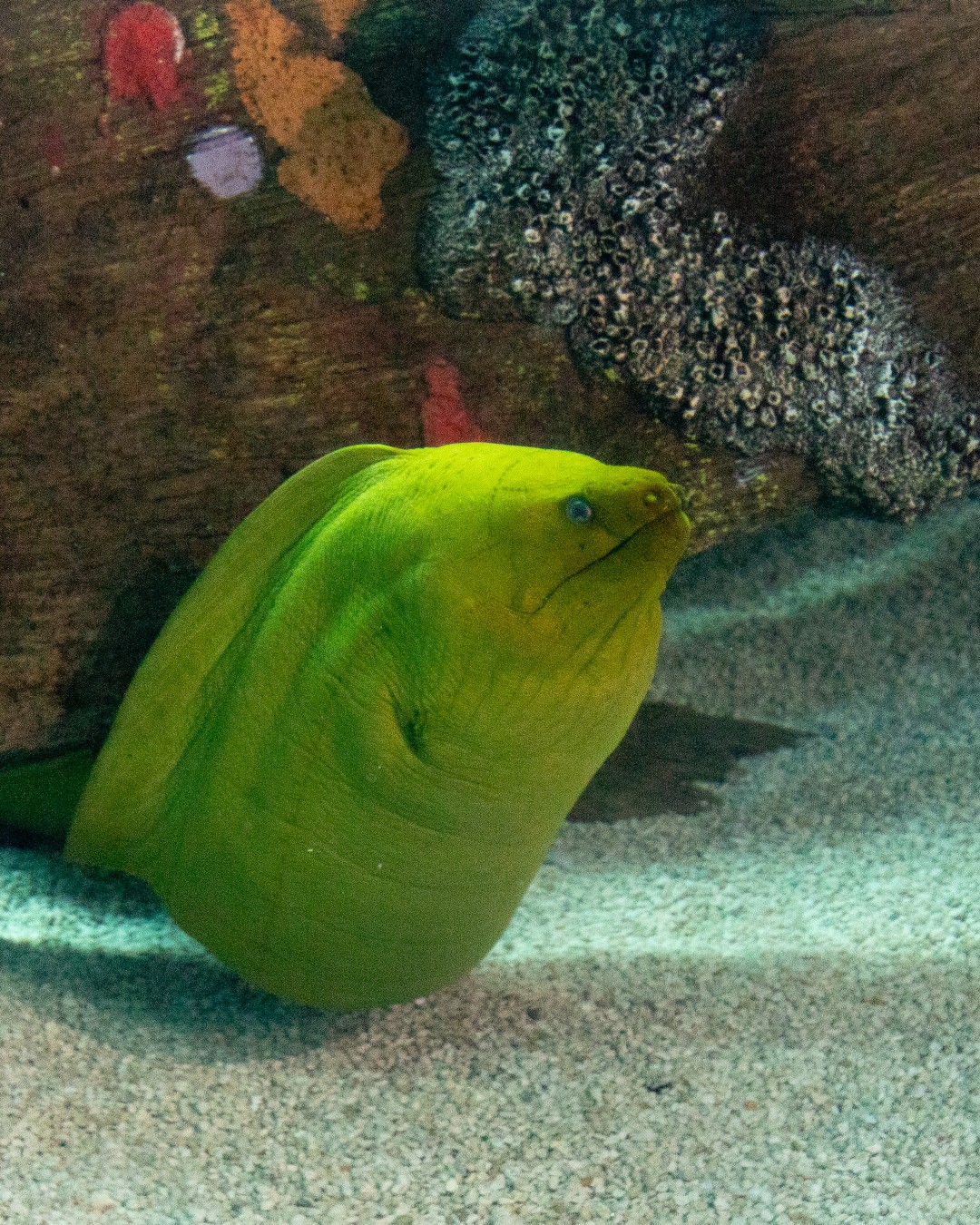
The color of marine life often brings forth a sense of wonder, especially when it comes to creatures like moray eels. While many assume that these fascinating eels exhibit a vibrant green hue, the truth is more intricate. Moray eels display brownish-grey skin, which is complemented by a unique layer of yellow mucus. This mucus layer can trick the eye into perceiving a greenish tone. The presence of this yellow mucus does more than merely provide camouflage; it serves significant biological functions.
The yellow mucus plays a crucial role in the health of the moray eel. This slimy covering acts as a barrier against parasites and bacteria that could otherwise cause harm. In marine environments, where exposure to pathogens is common, having such a protective layer is vital. The mucus not only helps in preventing infections but also aids in the eel’s movement through various substrates. The slippery texture reduces friction during swimming and burrowing, allowing for greater agility in their natural habitat.
When discussing the biology of moray eels, it is essential to consider their habitat as well. These eels thrive in warm, shallow waters, often residing in crevices and reefs. The coral reefs support a diverse array of marine life, making them essential for the overall health of ocean ecosystems. Conservation efforts focusing on coral reefs can have positive ramifications on the populations of moray eels and other marine species, highlighting a fundamental connection between habitat preservation and species longevity.
As the season transitions into March, St. Patrick’s Day approaches, giving a unique cultural perspective to our understanding of the color green in nature. The holiday celebrates Irish culture and heritage, but has also morphed into a broader acknowledgment of nature and luck. In Irish folklore, wearing green is believed to attract good fortune, making it the perfect time to appreciate the wonders of the natural world. During this period, many institutions take the opportunity to encourage visits to places where one can observe natural wildlife, promoting an appreciation for biodiversity.
The Splash Park in Corpus Christi, Texas, serves as a family-friendly venue that fosters an appreciation for aquatic life while providing an engaging recreational environment. Open daily from 10:00 a.m. to 5:00 p.m., the Splash Park invites families to explore the joys of water play. Importantly, it also offers educational opportunities that highlight the importance of conservation efforts for aquatic habitats. Weekends even provide additional community engagement with special events centered around environmental education.
Water play areas, such as the Splash Park, are wonderful places for learning. Children and adults alike can connect with nature, both through play and educational programming. These venues often host activities that share insights into local wildlife, including species crucial to marine health, like the moray eel. They can serve as platforms for raising awareness about the challenges facing aquatic ecosystems while also fostering a sense of stewardship in younger generations.
In addition to fostering educational opportunities, cultural celebrations like St. Patrick’s Day serve to remind us of our intrinsic connection to nature. The holiday aligns well with broader environmental initiatives, encouraging us to step outside and engage with our local ecosystems. Take the time to appreciate the beauty of green spaces, whether they manifest through plants, water bodies, or wildlife.
Echoing sentiments of luck associated with St. Patrick’s Day, many conservationists recognize that healthy ecosystems provide a sense of security and fortune. Marine environments that are flourishing in biodiversity bring ecological balance and wellbeing to our planet. Working toward the conservation of species like moray eels—by protecting their habitats and limiting pollution—can be viewed as essential steps toward creating luck for future generations.
Community involvement is paramount in these efforts. Local initiatives may involve beach clean-ups, habitat restoration, and educational outreach programs. Ensuring that individuals, especially youth, understand the role they play in preserving these ecosystems helps to instill a sense of responsibility toward the environment. Engaging them in meaningful activities lays the groundwork for stewardship that could last a lifetime.
Highlighting the particulars of animal diversity, it’s important to recognize that the color of organisms, such as the moray eel, offers a gateway into deeper discussions around biological traits and environmental adaptation. The unique adaptations of various species offer insights into their evolutionary histories, demonstrating how life persists through changing conditions. Moray eels lend their own unique story; their biological adaptations emphasize the critical need for clean, healthy bodies of water where they can thrive.
The health and abundance of aquatic ecosystems directly impact the larger environment. Coral reefs, where moray eels often dwell, serve as critical habitats for numerous marine organisms. These ecosystems work to produce oxygen, store carbon, and filter pollutants, which in turn supports human life. They are the base of marine food chains, allowing for biodiversity that benefits all levels of life. By ensuring the health of these environments, we not only support marine species but also foster a resilient planetary system.
Investing time and effort into learning about aquatic environments, whether through personal exploration or educational institutions like the Splash Park, is vital for creating insightful dialogue around conservation. Discussions rooted in scientific understanding can inform policy-making and promote community engagement in critical environmental issues. Family outings can transform into learning experiences that inspire continued curiosity about wildlife, promoting a cycle of respect and understanding toward the natural world.
The appearance of moray eels, likened to the luck of the Irish on St. Patrick’s Day, reminds us that discernible beauty often masks deeper biological realities. The aspects of health, vitality, and ecological significance serve to intertwine cultures and nature, showcasing how intertwined our existence is with the animal kingdom.
In engaging in local celebrations and visiting places like the Splash Park, individuals can deepen their connection with wildlife while embracing the spirit of the season. Educational avenues foster appreciation for marine life, encouraging everyone to partake in the plight of conservation efforts around the globe.
Let this St. Patrick’s Day remind us that each green splash we see, whether in nature or in cultural celebrations, carries with it a story—a call to action to protect and cherish the environment. Every small step toward understanding and preserving habitats contributes to a brighter, more sustainable future for earth’s myriad creatures, including the often-overlooked but vital moray eel.
*****
Source Description
Here’s a splash of green for your feed—bringing you a little extra luck this St. Patrick’s Day! 🍀💚✨
But did you know? This moray eel isn’t actually green! 😮 Its skin is brownish-grey, but a special layer of yellow mucus gives it that lucky emerald hue. This slimy shield isn’t just for looks—it helps protect the eel from parasites and bacteria!
Starting today, Monday, March 17, we’re open daily from 10:00 a.m. to 5:00 p.m.! Plus, the Splash Park will be open on Saturdays & Sundays from 11:00 a.m. to 5:00 p.m.*
Come make a splash with us! 💦
📍 Corpus Christi, TX
*Water shuts off 15 minutes before closing.
