
- Exploration of the Lied Jungle’s diverse habitats and animal inhabitants
- Overview of supporting facilities enhancing visitor experience
- Importance of wildlife conservation and education in zoological settings
- Insights into the zoo’s role in research and environmental stewardship
- Culinary offerings and cozy spots for visitors to enjoy
The Lied Jungle offers an immersive experience that introduces visitors to a rich tapestry of tropical ecosystems. As you step inside, you are enveloped in the warm, humid air that mimics natural rainforest conditions. Visitors can expect to encounter a variety of habitats that host numerous species of flora and fauna, all within a brilliantly designed indoor setting.
The Lied Jungle encompasses several distinct environmental zones, each housing unique vegetation and wildlife. The central attraction is undoubtedly the diverse animal life that thrives in this tropical haven. You can observe animals that are often elusive in their natural habitats, including vibrant birds, darting fish, and playful monkeys. Each corner of the jungle reveals a new surprise, adding to the excitement and educational value of your visit.
The richly planted areas are teeming with life. Tropical trees and plants create vertical layers that mimic a rainforest canopy, perfect for animals to navigate and live within. You may spot toucans perched on branches or capuchin monkeys swinging gracefully. These animals play significant roles in their ecosystems, often acting as seed dispersers for the abundant plant life that surrounds them.
The various habitats in the Lied Jungle are designed to simulate real climatic conditions. This attention to specificity supports the well-being of the species housed there. For example, the humidity levels are adjusted to suit the needs of tropical frogs and insects, which thrive in moist environments. It’s crucial for zoological institutions to replicate these conditions to promote healthy animal populations and ensure successful breeding programs.
Next to the Lied Jungle, visitors can find an array of facilities that enhance the overall experience. The Main Gift Shop offers an assortment of items, perfect for capturing memories or for educational purposes. It features books about ecology, plush toys of the animals found in the jungle, and fair-trade handicrafts from global artisans, emphasizing the connection between wildlife and human livelihoods.
The Lozier Giant Screen Theater provides an educational experience through high-definition films that focus on wildlife preservation and ecology. These films often highlight the relationships between species and their habitats. This information plays a vital role in increasing public awareness about conservation issues. By showcasing the beauty of the natural world, the theater encourages audiences to engage with wildlife conservation.
The Durham TreeTops Restaurant presents a unique dining opportunity further elevating your visit. Overlooking the lush jungle, it serves as a cozy stop for tired explorers to recharge. This venue emphasizes locally sourced ingredients, which supports sustainable farming practices. Dining options also include vegetarian and vegan meals, catering to a wide range of dietary preferences.
At Mutual of Omaha’s Wild Kingdom Pavilion, guests can immerse themselves in interactive exhibits showcasing various ecosystems. Each display educates about animal behaviors, habitat threats, and the importance of biodiversity. The pavilion serves as a vital resource for those interested in wildlife management and conservation strategies, encouraging responsible stewardship of natural resources.
Adjacent to the jungle, the Scott Aquarium houses both aquatic and land-based species. Visitors can witness the unique adaptations that marine animals possess, such as the colorful corals and the creatures that inhabit them. Educative panels throughout the aquarium detail the significance of marine ecosystems. This facility promotes marine conservation and emphasizes the critical state of our oceans due to pollution and climate change.
For dining options in a relaxing atmosphere, Sea Turtle Café is another cozy spot. Here, patrons can enjoy a selection of hot beverages and snacks while learning about the conservation efforts surrounding sea turtles. As endangered species, the challenges faced by turtles are highlighted through educational displays in the café, making it a meaningful stop for visitors who are passionate about marine life.
The Grewcock Butterfly and Insect Pavilion presents another fascinating experience. This well-maintained habitat allows you to see butterflies in various stages of their life cycles. The pavilion showcases the complex relationships insects have within ecosystems, serving as pollinators and food sources for other animals. Educational programs centered around this exhibit help raise awareness about the importance of insects in maintaining ecological balance.
Visible from many locations in the zoo, the Cate Family Giraffe Herd Rooms offer insights into the social behavior of giraffes. These gentle giants are known for their unique browsing habits and interactions. Visitors can observe how they use their long necks to access leaves high up in trees. Educational talks often accompany the giraffe exhibits, detailing their nutritional requirements and the conservation threats facing wild populations.
The Elephant Family Quarters is an innovative facility focusing on the care and management of these magnificent creatures. Visitors can observe their behaviors through large viewing windows, allowing for close encounters. Programs here aim to educate guests about the intelligence of elephants, their complex social structures, and the conservation efforts in place to protect their habitats.
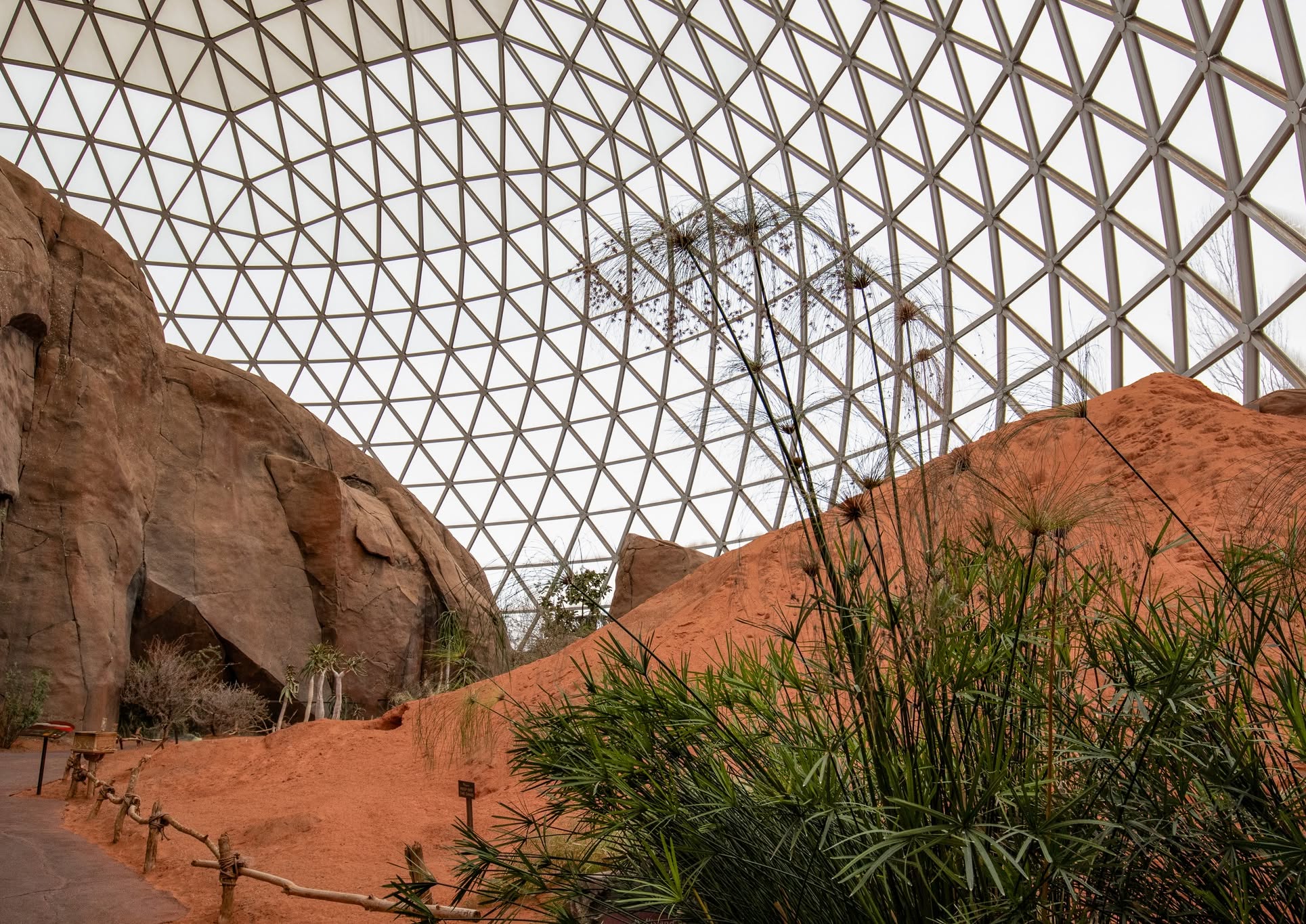
The Desert Dome, in contrast to the tropical environments, hosts a variety of arid climate species. This space illustrates the adaptation strategies of different animals and plants to survive in harsh environments. It is essential for visitors to understand how climate change exacerbates these challenges and what can be done to mitigate the impacts on desert ecosystems.
The Mahoney Kingdoms of the Night exhibit introduces guests to nocturnal species, shedding light on their unique adaptations. Animals such as owls, bats, and various rodents thrive in darker environments and have special ways of navigating and hunting. This display is particularly valuable for understanding the biodiversity present in ecosystems that may be overlooked during daylight hours.
The Wild Explorer VR experience offers a unique opportunity to learn through virtual reality. This interactive program educates visitors about wildlife habits, habitats, and conservation efforts through immersive technology. It is an engaging method of deepening the understanding of some of the most pressing issues facing wildlife and encourages a sense of responsibility towards the environment.
The Hubbard Orangutan Forest and Gorilla Valley provide immersive environments for these compelling primates. Observing orangutans and gorillas up close fosters a deeper understanding of their social structures and behaviors. These experiences are invaluable for educating visitors on the threats posed by habitat loss and illegal wildlife trade, making it possible to cultivate a sense of empathy and urgency toward their conservation.
There is also the Orangutan Oasis, a designated eating area where guests can take a break. The café provides refreshments, creating an inviting space for discussions about wildlife conservation among family and friends. Educational materials are often placed here, encouraging groups to reflect on their experience while highlighting ways to contribute to conservation efforts.
The Plaza Café serves as a convenient dining option for those looking to refuel during their adventure. With a menu that includes a variety of comfort foods, the café also draws attention to eco-friendly practices, offering compostable packaging and ingredients sourced from sustainable suppliers.
Visiting the Lied Jungle is not merely about experiencing an indoor tropical environment; it is an opportunity to engage with the imperative topics of wildlife conservation and environmental awareness. This facility combines enjoyment with education, giving individuals the tools to understand and advocate for better practices in wildlife management and habitat preservation. By increasing awareness of the intricacies of biodiversity and conservation challenges, zoological institutions like the Lied Jungle play an essential role in fostering an engaged, informed public.
For those passionate about wildlife and conservation, the Lied Jungle serves as a beacon for knowledge, offering visitors a warm, tropical welcome that invites exploration and mindfulness toward environmental stewardship.
*****
Source Description
A warm, tropical welcome awaits you inside the Lied Jungle 🌴
Warm habitats, cozy stops, and animals are around every corner. Many of our favorite habitats and experiences are just steps from the entrance, making it easy to move from one cozy indoor space to the next. Sip something hot as you move in between, we have plenty of soup and hot chocolate.
The following habitats and experiences are warming up for your arrival today:
Main Gift Shop 🛍
Lozier Giant Screen Theater
Durham TreeTops Restaurant 🍴
Lied Jungle
Mutual of Omaha’s Wild Kingdom Pavilion
Scott Aquarium
Sea Turtle Cafe 🍴
Scott Aquarium Gift Shop 🛍
Grewcock Butterfly and Insect Pavilion
Cate Family Giraffe Herd Rooms
Elephant Family Quarters
Desert Dome
Mahoney Kingdoms of the Night
Plaza Cafe🍴
Wild Explorer VR
Hubbard Orangutan Forest
Hubbard Gorilla Valley
Orangutan Oasis 🍴
