
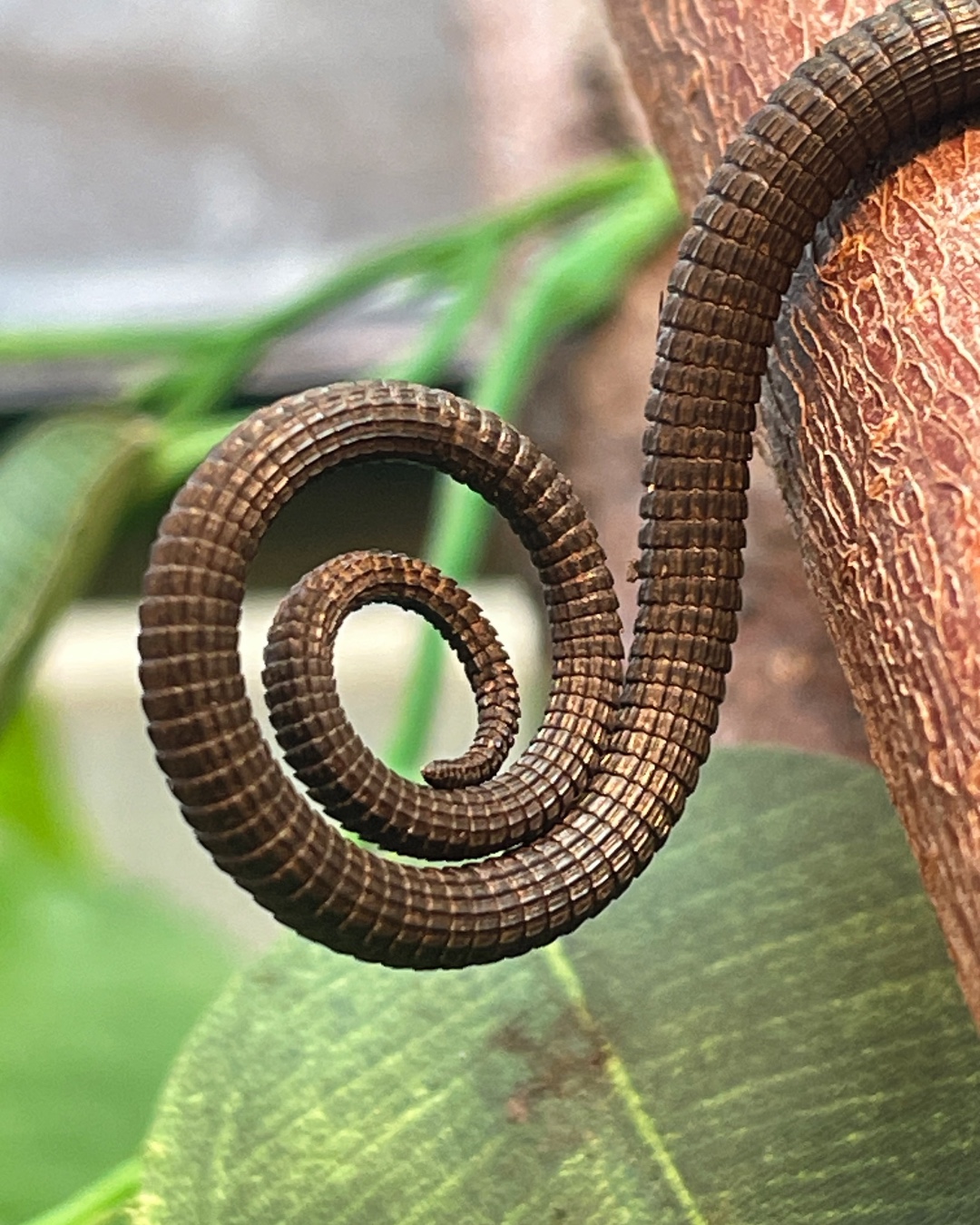
- Understanding the concept of prehensility in animal anatomy
- The specific adaptations of black tree monitors
- The ecological significance of prehensile tails
- Comparisons with prehensile adaptations in other species
- Implications for wildlife conservation and management
Prehensile tails are a fascinating adaptation found in a variety of animal species. The term “prehensile” derives from the Latin word “prehendere,” which means “to seize” or “to grasp.” This capability is crucial for many creatures, particularly in arboreal settings. Animals possessing prehensile tails can use them to manipulate objects, stabilize themselves, and navigate their environments more effectively.
Black tree monitors (Varanus beccarii) exemplify this remarkable anatomical feature. They are indigenous to the lush canopies of New Guinea and surrounding islands. Their tails are not just a trailing appendage; they serve a functional purpose. The black tree monitor utilizes its prehensile tail to wrap around tree branches as it climbs, providing support and stabilization while it hunts or explores.
The anatomy of the prehensile tail is specially adapted to allow this gripping action. The tail features muscles and tendons that grant it significant flexibility and mobility. As a result, these monitors can coil their tails around branches, aiding in climbing, which is essential for both foraging and evading predators. The tail’s design includes a robust structure that can endure the forces generated while grasping and manipulating objects. This comparative strength allows the black tree monitor to navigate its arboreal habitat with agility and ease.
Ecologically, prehensility offers specific advantages. Trees serve as both a habitat and a resource-rich environment. By being able to maneuver through the branches, black tree monitors can access food sources, such as insects and small mammals, that are less reachable for non-prehensile species. This ability to forage in different microhabitats minimizes competition with other predators, giving the black tree monitor an advantage in survival.
Prehensile adaptations are not exclusive to black tree monitors. Other animals, such as opossums, spider monkeys, and certain species of squirrels, also boast prehensile tails. Spider monkeys, for example, have tails that can grasp branches as effectively as their limbs. These adaptations offer insights into evolutionary pathways. Various species have evolved similar traits, demonstrating the functionality and necessity of prehensility in differing ecological niches.
Furthermore, the diversity of prehensile adaptations across species contributes to the stability of ecosystems. Animals that can explore their habitats more effectively help to maintain the balance of their environments. They play significant roles in seed dispersal, pollination, and controlling insect populations, all of which are vital for ecosystem health.
In the context of wildlife conservation, understanding the significance of prehensile tails can guide management strategies. The survival rates of species like the black tree monitor can depend on habitat conservation. Deforestation and habitat fragmentation have dire consequences, reducing access to necessary resources. By preserving the natural habitats that allow these reptiles to thrive, conservation efforts can be better aligned with the biological needs of species exhibiting prehensility.
With increasing demands for land and resources, wildlife management must consider the ecological roles played by such uniquely adapted animals. Conservationists can implement targeted strategies that focus on maintaining connectivity in forest ecosystems, allowing for animal movement and healthy population dynamics.
Conservation programs have also underscored the need for public awareness. Education about the fascinating adaptations of species like the black tree monitor can foster a sense of stewardship among local communities. Understanding the ecological importance of these monitors may inspire efforts to protect their habitats.
In summary, the concept of prehensility enriches our understanding of the animal kingdom. The black tree monitor serves as a compelling case study of how specific adaptations can influence behavior, ecology, and conservation. By examining the prehensile tail’s role within this species, we recognize the intricate connections between anatomy and environment—linking the survival of a species directly to its habitat. Important resources exist that outline the details of these fascinating adaptations, emphasizing the need for a more profound understanding of both the creatures and their ecosystems.
The dynamics of prehensility illustrate how evolutionary processes shape the characteristics of species tailored to their environments. Through these lenses, wildlife conservation becomes crucial in preserving not only individual species but also the intricate networks of life in which they exist.
Understanding the particulars of prehensiltails goes beyond mere academic interest; it speaks to the resilience and adaptability of nature. In this age of environmental change, fostering a deeper connection to wildlife, such as the black tree monitor, will ignite greater efforts to protect our planet and its diverse inhabitants.
*****
Source Description
A word you should know: prehensile!
Black tree monitors have prehensile tails, which means that they can use their tails to wrap around and grasp items such as branches.
📸 Bryan S.
