
- Newly introduced axolotls at The Living Coast: A background story
- The biological and ecological significance of axolotls
- Conservation efforts for endangered amphibians
- The specifics of axolotl care and habitat at The Living Coast
- Tips for visitors to engage with these fascinating creatures
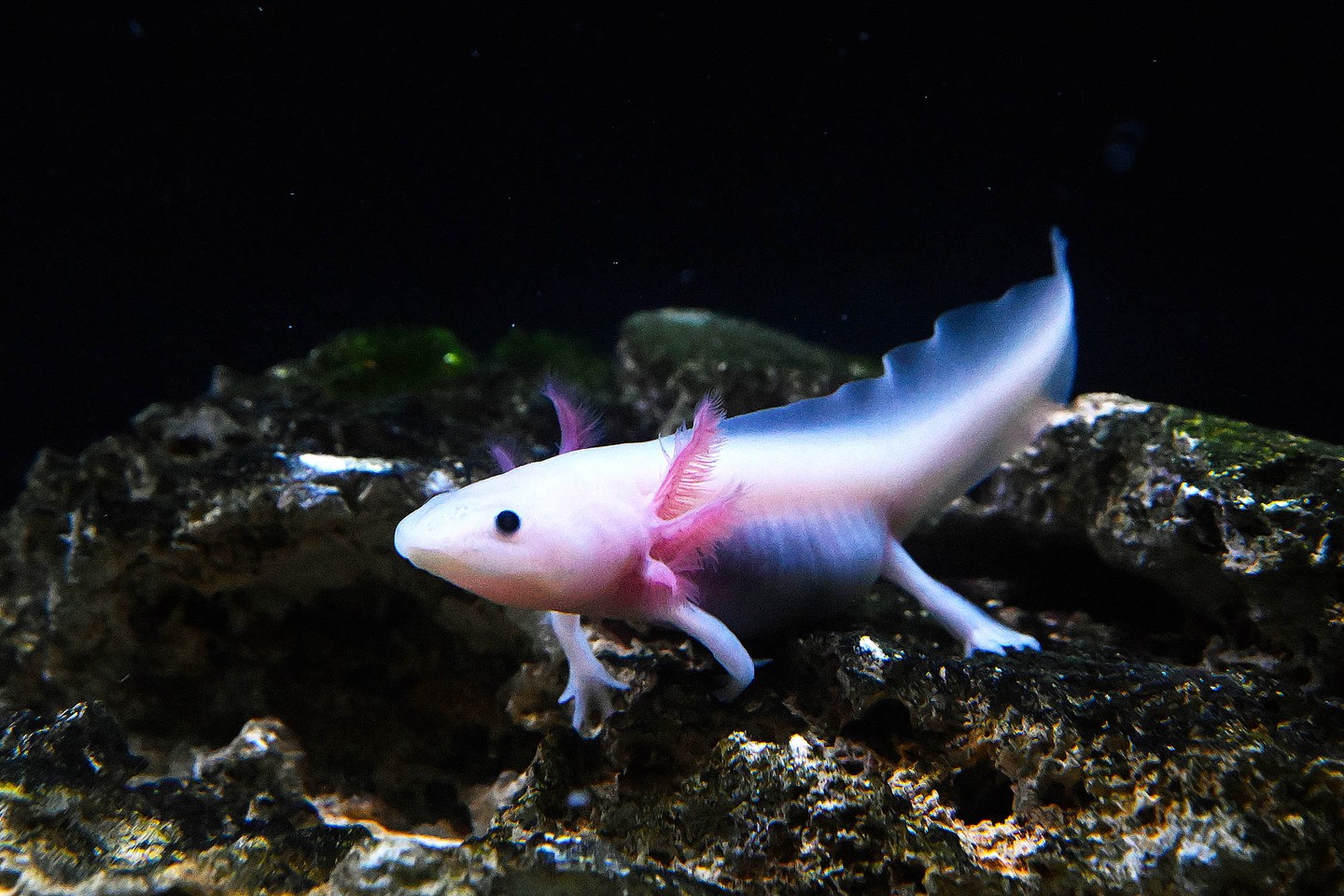
Recently, a group of adorable axolotls found a new home at The Living Coast, showcasing a captivating narrative about wildlife care and the importance of conservation. These particular axolotls were originally intercepted by U.S. Fish and Wildlife Service officers at O’Hare Airport due to a clerical error, rather than any illegality. Fortunately, The Living Coast stepped in to provide the necessary care for these critically endangered creatures.
Native to a limited area in southern Mexico City, axolotls inhabit a series of canals and wetlands where they are naturally found. In their wild state, they typically appear dark brown or green, facilitating their camouflage among the murky waters. Domesticated axolotls, however, have been selectively bred to exhibit lighter coloration, which many enthusiasts find aesthetically appealing. The Living Coast offers a chance to view these remarkable amphibians up close.
Understanding the biological and ecological significance of axolotls is essential. As a type of salamander, they belong to the family Ambystomatidae. One of their most distinctive features is their ability to regenerate limbs, spinal cords, heart tissue, and even parts of their brain. This remarkable regenerative capability has made axolotls a focal point of scientific research, particularly in the fields of regenerative medicine and developmental biology. Their ability to heal and regenerate tissues provides insights that could translate into advances for human medicine. Moreover, axolotls serve as bioindicators, meaning their health reflects the health of their ecosystem. Any decline in their population often indicates broader environmental issues.
Conservation efforts for endangered amphibians like the axolotl are critical. Once widespread, their numbers have plummeted due to urbanization, pollution, and the introduction of non-native species into their habitat, such as tilapia. Today, the axolotl is classified as critically endangered by the International Union for Conservation of Nature (IUCN). Initiatives aimed at habitat restoration, pollution control, and community education are imperative to help restore their populations in the wild. The Living Coast actively participates in conservation programs, cooperating with local organizations focused on these efforts.
The specifics of axolotl care and habitat at The Living Coast enrich the visitor experience. Axolotls require a carefully controlled environment to thrive. Their habitats are typically designed to mimic their natural wetlands, featuring clean, cool water, and plenty of hiding spaces. The water temperature is routinely maintained between 60-68°F, while pH levels are monitored to ensure optimal health. These creatures are often solitary in nature, thus enclosures are designed to accommodate that behavior while providing ample opportunities for enrichment.
Feeding axolotls requires specific knowledge as well. They are carnivorous, primarily consuming small worms, insects, and specialized pellets. At The Living Coast, staff members are trained to provide the right diet, ensuring that the nutrition meets the species’ particular needs. Proper care includes regular health checks to monitor for signs of disease or stress, ensuring that the axolotls remain healthy and vibrant.
Visitors to The Living Coast have the opportunity to engage with these fascinating creatures in a variety of ways. Well-structured tour guides lead informative sessions that highlight the importance of axolotl conservation. These sessions often include discussions about the keystone role amphibians play in ecosystems and the impacts of habitat destruction. Interactive displays may feature educational materials that address both the biological uniqueness of axolotls and the broader ecological challenges they face.
Additionally, The Living Coast often hosts special events aimed at raising awareness and promoting conservation efforts. Workshops, guest speakers, and community outreach programs form an integral aspect of their mission to educate the public. Through these initiatives, visitors can learn about the importance of amphibian preservation and the steps they can take in their own lives to contribute to a healthier planet.
Before visiting The Living Coast, individuals can prepare themselves by learning more about axolotls. Understanding their characteristics, habitat needs, and conservation status is beneficial not just for enhancing the visit but also for fostering a deeper connection with these animals. The act of observing axolotls in a well-maintained environment encourages appreciation for biodiversity and inspires visitors to take action in protecting such vulnerable species.
In addition to their scientific importance, axolotls contribute to the cultural landscape as symbols of resilience and adaptability. Their captivating appearance and extraordinary biological abilities have captured the interest of both scientists and the general public, fostering a sense of wonder about the natural world. This enthusiasm is crucial for promoting conservation awareness in broader society.
Efforts focusing on mitigating environmental challenges have become increasingly vital. Many organizations, including The Living Coast, advocate for the creation of sustainable practices to protect habitats not just for axolotls but for amphibians worldwide. The message is simple: every individual can play a role in making a difference. Community vigilance and active participation can help restore ecosystems, enhance biodiversity, and ensure that future generations can share in the joy of observing such extraordinary creatures.
As you explore the vivacious exhibits at The Living Coast, take a moment to reflect on the wider implications of your visit. The introduction of these adorable axolotls serves as a reminder of the importance of responsible wildlife management and the collective responsibility that exists for preserving our planet’s biodiversity. Every small action can contribute to the conservation of critically endangered species.
By engaging with the axolotls and participating in educational activities, visitors amplify their impact, supporting critical conservation efforts. Such initiatives enhance awareness and promote an active discourse around environmental issues. The presence of axolotls at The Living Coast highlights the challenges faced by amphibians globally and underscores the urgent need for concerted conservation measures.
In examining the challenges and successes of conservation endeavors, the axolotl thrives as a case study that illustrates both the fragility and resilience of nature. By observing these remarkable creatures up close, individuals are encouraged to stand together in protecting our shared environment.
Their story at The Living Coast not only enriches the visitor experience but also serves a greater purpose: inspiring action and fostering a sense of stewardship toward the natural world. As these adorable axolotls settle into their new home, they remind us all of the vital role we play in sustaining life on Earth.
*****
Source Description
These adorable axolotls have found a new home at The Living Coast!
Recently, a shipment of these feathery-gilled amphibians was intercepted and seized by U.S. Fish and Wildlife Service officers at O’Hare Airport, not because they were illegal, but because of a clerical misstep that resulted in confiscation. Luckily, we were able to step in to help care for these critically endangered animals!
Axolotls are a type of salamander native to a small network of canals and wetlands in southern Mexico City, Mexico. Wild axolotls are usually dark brown or green, which is crucial for camouflage while domesticated axolotls like these are bred to be lighter in color. Stop by The Living Coast to see these salamander superstars on your next visit!
