
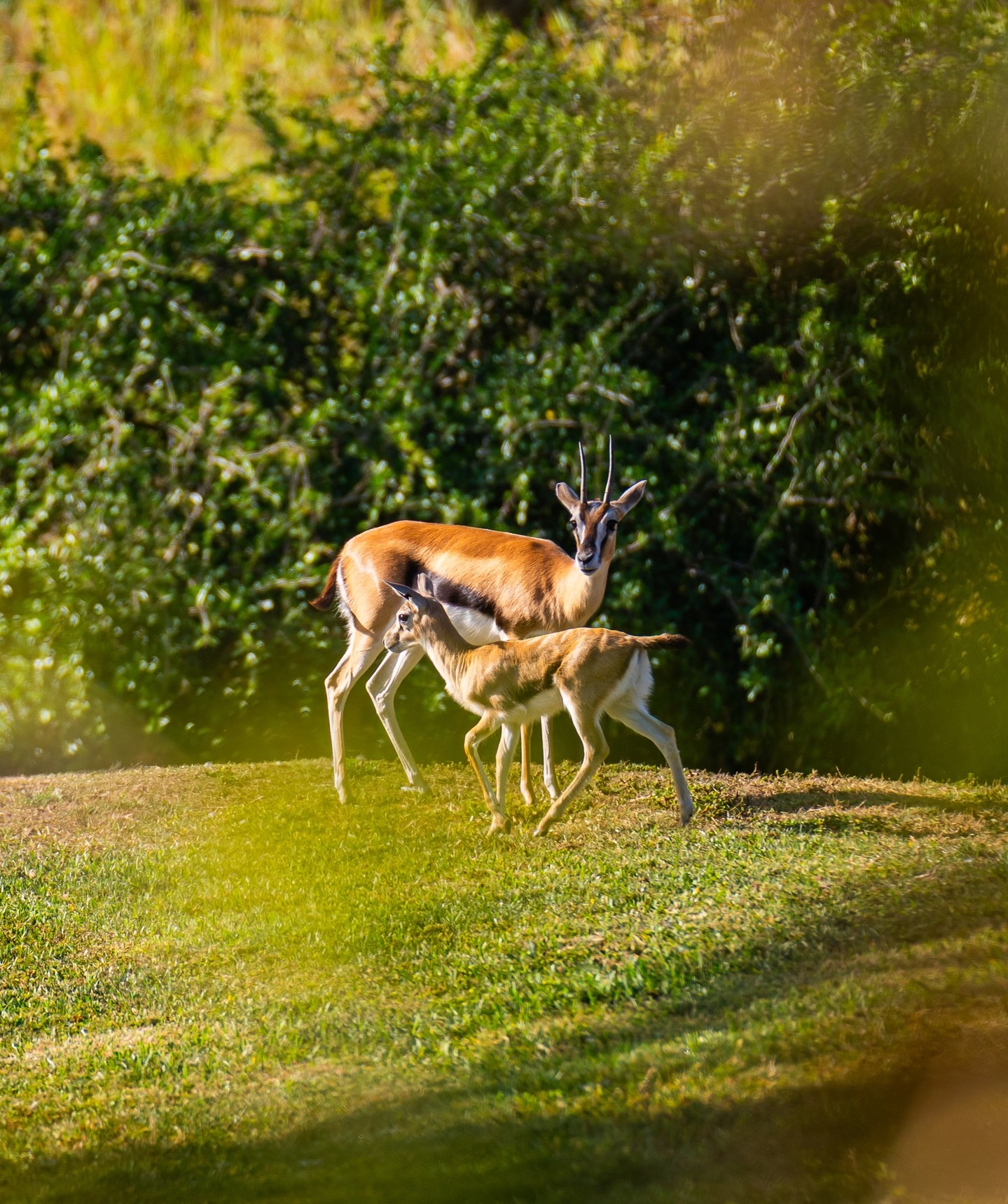
- The significance of early life stages in animal development
- The role of maternal care in wildlife
- The impact of environmental stressors on young animals
- Conservation strategies focusing on juvenile populations
- The importance of public awareness in wildlife conservation
The significance of early life stages in animal development cannot be understated. This is especially true for animals known for their tender beginnings. The early stages of life are critical in shaping not only individual animals but also species populations as a whole. For many species, the survival of the young is paramount for the continuation of the species. Various factors, such as maternal investment, habitat conditions, and availability of food, directly influence the health and survival rates of infants in the wild.
In the earliest days, many animal species exhibit fascinating developmental processes. For instance, mammals generally rely heavily on maternal care. Species like elephants and primates have extended periods of parental investment. Mothers provide nourishment, protection, and social learning opportunities, all critical for the proper development of their young. The nurturing environment allows for physical growth and cognitive development, which contribute significantly to future survival and reproductive success.
Birds, on the other hand, often employ different strategies. Many species engage in brooding, where the mother incubates the eggs and later provides food for the hatchlings. This investment is crucial; a study on passerine birds indicates that maternal care can increase fledgling survival rates by nearly 50%. Alarmingly, some birds engage in brood parasitism, laying their eggs in the nests of unsuspecting hosts. The young from such eggs often thrive, but at a cost to the host species. These contrasting strategies underscore the variety of survival tactics across different taxa.
The role of maternal care extends beyond individual survival rates; it also affects the social structure within species. In species with cooperative offspring-rearing, such as wolves, the broader family unit contributes to the nurturing of young members. This communal investment leads to increased survival rates and enhanced learning, which is vital for successful integration into the pack community.
Environmental stressors pose significant risks to populations during the critical early stages of development. Young animals are often more susceptible to changes in their ecosystems, including habitat destruction, pollution, and climate change. For example, amphibian populations are particularly vulnerable. They undergo a complex life cycle that includes a larval stage often spent in aquatic environments. Pollution and habitat degradation can lead to declines in their populations, critically affecting their survival and ability to reproduce.
Moreover, climate change is altering habitats and food availability. For creatures like sea turtles, changes in temperature can affect nesting behavior and hatchling survival rates. Warmer sands produce female hatchlings, leading to skewed sex ratios that threaten population viability. Strategies to mitigate these impacts, such as protecting nesting sites and regulating coastal development, are increasingly necessary.
Conservation strategies focusing on juvenile populations have gained momentum as wildlife biologists and conservationists recognize the importance of safeguarding young animals. Captive breeding programs have been established for species like the California condor, which is critically endangered. These programs focus not only on releasing adults into the wild but also on ensuring that young hatchlings are raised in environments conducive to their survival. Similarly, reintroduction efforts for species like the European bison aim to foster self-sustaining populations.
Habitat conservation also plays a crucial role in protecting young animals. Preserving wetlands for migratory birds or forests for various mammals guarantees that juvenile members have access to vital resources. Legislation such as the Endangered Species Act supports this mission by establishing protected areas and enforcing regulations against habitat destruction.
Public awareness is essential for the success of wildlife conservation efforts. Educating communities about the importance of protecting young animals and the ecosystems they inhabit fosters a culture of stewardship. Campaigns that emphasize the significance of early life stages and maternal investment can engage citizens and inspire action. This grassroots involvement is critical; it can amplify conservation efforts by influencing policies and fostering a sense of shared responsibility.
In conclusion, the intimate details surrounding the early life stages of animals, particularly regarding maternal care, environmental challenges, and conservation strategies, illuminate the interconnected nature of wildlife and ecosystems. By understanding the critical importance of nurturing young animals, both the scientific community and the general public can contribute effectively to their conservation. The journey of a "pretty little baby" animal is not just about growth but also about the survival of entire species and the health of ecosystems. In advocating for the protection of these vulnerable lives, we take a significant step toward ensuring a balanced and thriving natural world.
*****
Source Description
✨🎶 Pretty little baby 🎶 ✨
