
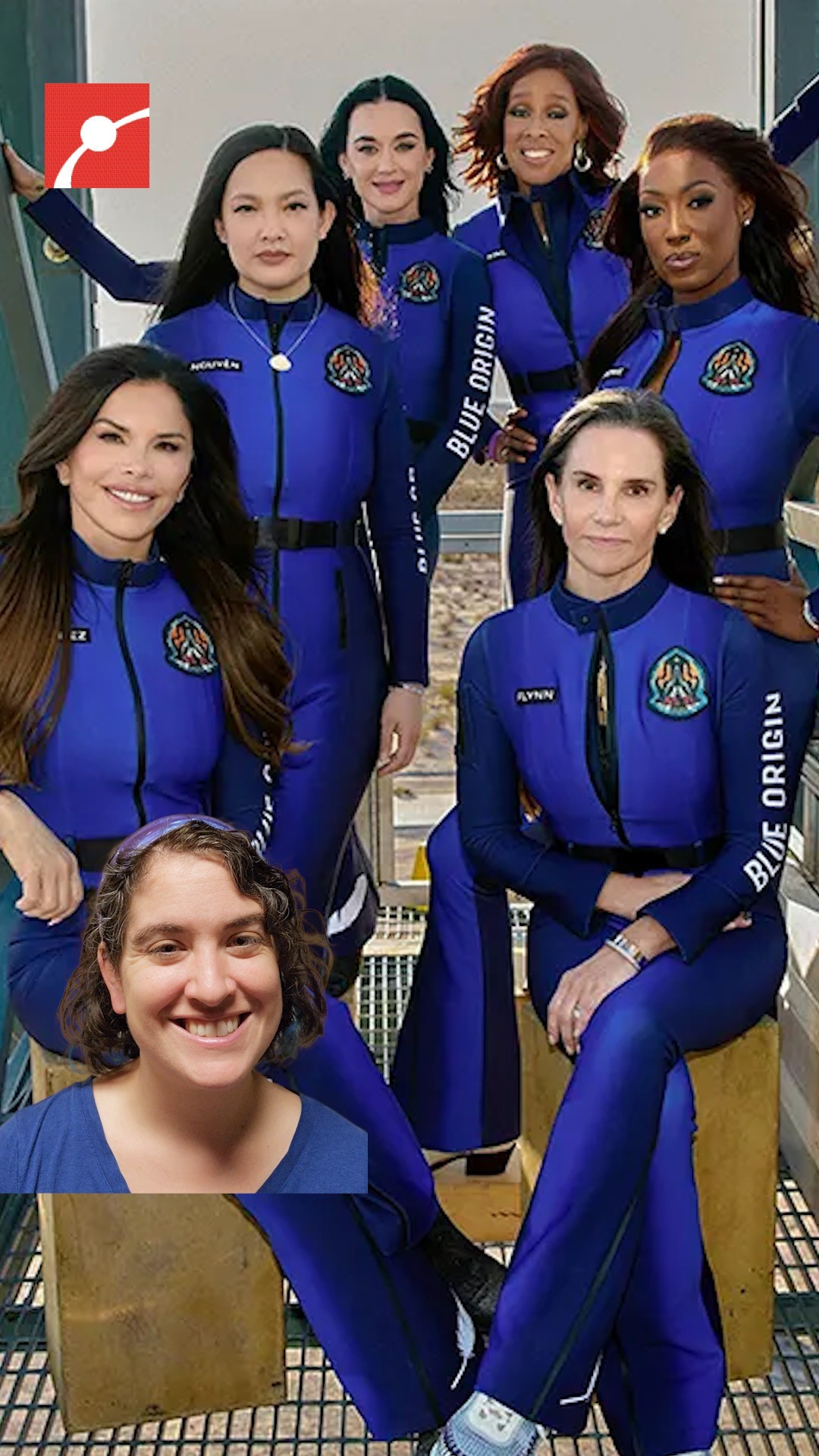
- An overview of the historic all-female space mission by Blue Origin.
- Profiles of the women who made the journey possible.
- The significance of this mission for the future of women in space exploration.
- The technological advancements supporting commercial space travel.
- Implications for science, technology, engineering, and mathematics (STEM) fields and gender representation.
The historic flight conducted by Blue Origin on their New Shepard rocket marks a pivotal moment in space exploration. For the first time, an entirely female crew reached space, showcasing the talents and contributions of women in a field that has traditionally been male-dominated. This mission not only sets a new standard for future space expeditions but also serves as an inspiring beacon for aspiring scientists and engineers worldwide.
This particular flight took place on an 11-minute journey that peaked at approximately 66 miles above Earth, crossing the Kármán line, which is recognized as the boundary of space. The six women aboard experienced two full minutes of weightlessness, providing them with a taste of what astronauts experience during their missions. The flight solidifies a monumental achievement, encapsulating the aspirations of many women who dream of one day pursuing careers in STEM fields.
Among the crew were notable figures including scientists, engineers, and global influencers. These women not only represent their individual accomplishments but also a collective step toward inclusivity within the aerospace industry. At a time when representation is critical, this mission stands as a testament to the capabilities and potential of women, encouraging a new generation to engage in aviation and space exploration.
Profiles of the women who made this mission possible illustrate the diverse backgrounds and expertise they brought to the flight. Each crew member has excelled in various fields, from rocket science to broadcasting. Their journey symbolizes not just their personal achievements, but also the hard work and dedication it took to get to this point. The involvement of these accomplished women reflects a wider trend in the aerospace industry where women are increasingly taking on significant roles.
The importance of this all-female mission extends beyond the flight itself. It raises awareness about the representation of women in science and engineering. Historically, women have faced numerous barriers when entering STEM fields. However, initiatives aimed at encouraging girls and young women to pursue education and careers in these disciplines are gaining momentum. Achievements like this mission set a precedent, demonstrating that women can reach the highest levels of success in challenging environments.
Technology plays an instrumental role in enabling missions such as this. The New Shepard rocket, designed for suborbital flights, showcases impressive advancements in aerospace engineering. Utilizing reusable rocket technology, Blue Origin has significantly decreased the cost of space travel while maintaining high safety standards. Such technological strides challenge perceptions of space travel, making it more accessible to a broader demographic.
Commercial space travel has gained traction in recent years, with various companies investing in the potential for human exploration beyond Earth. The growing interest from the private sector presents new opportunities for scientists, engineers, and even casual space enthusiasts to participate in space missions. As more commercial flights take off, the need for inclusion of diverse teams grows stronger, further emphasizing the importance of representation.
The implications extend into STEM fields, where representation matters significantly. Women who see successful female astronauts and engineers are more likely to pursue similar paths. Gender diversity in these fields enhances creativity and innovation, driving advancements in research and technology. More inclusive representation leads to better problem-solving capabilities and more comprehensive approaches to challenges.
Events such as this female space mission challenge outdated stereotypes and provide a more accurate reflection of the capabilities of women. It opens doors for dialogue about the importance of gender parity in all professional sectors, not just in aerospace. Organizations across various industries can learn from the representation displayed in this mission to develop more inclusive and equitable workplaces.
The collaboration between scientists, engineers, and influencers highlights the importance of unity in achieving shared goals. The diverse skill sets brought together for the mission underscore that success in space exploration is not reserved for a select few. This teamwork compass directs toward a brighter future, whereby collective efforts elevate not just individual accomplishments but the entire industry.
The unprecedented success of the all-female mission showcases a shift in the narrative of women in space exploration. It reflects a deeper commitment to breaking barriers and encourages more women to pursue careers in aerospace. As the world observes this achievement, it serves as both an acknowledgment of the past struggles and a call to action for the future.
Broadening access to STEM education is critical in supporting the aspirations ignited by this mission. Various programs aim to inspire young girls and equip them with the knowledge and skills required in these fields. Mentoring and networking opportunities have become increasingly available, fostering spaces where women can connect and learn from one another.
The historic mission conducted by an all-female crew redefines possibilities, encourages perseverance, and illustrates the power of representation. It is a beacon of hope for upcoming generations of women looking to make their mark in technology, space, and beyond. The legacy of this flight will undoubtedly inspire women and girls around the world to chase their dreams of contributing to science and innovation.
As we navigate the future of space exploration, the lessons drawn from this mission continue to resonate. The importance of diversity and inclusion cannot be overstated. Each voice brings perspective, driving better outcomes and solutions to the challenges that lie ahead in space travel and related fields.
The significance of the all-female mission extends far beyond the thrilling ascent into space. It presents a unique moment to reflect on the milestones achieved by women throughout history. This mission acts as a cornerstone for future achievements, leading to more inclusive initiatives and conversations regarding STEM careers.
Recognizing and celebrating the accomplishments of women in science and engineering will only push society closer to achieving true equality in these fields. The all-female crew’s journey into space serves as a catalyst for positive change, reminding us that talent and determination can forge paths where none existed before.
The legacy created by this flight reaffirms the value of collaboration and unity in the face of challenge and adversity. The journey has just begun. Women’s contributions to aerospace will continue to expand, inspiring future generations to reach for the stars.
*****
Source Description
For the first time, an entirely female crew has reached space! 🚀
History was made as six women—from rocket scientists to global icons like @KatyPerry and @GayleKing —boarded @BlueOrigin’s New Shepard for a groundbreaking suborbital spaceflight. The 11-minute flight included two full minutes of weightlessness, making this the first official all-women mission to reach the edge of space.
