
- Alligators as Patient and Effective Predators
- Semi-Aquatic Lifestyle and Adaptations
- Unique Features for Hunting and Feeding
- Sensory Capabilities and Environmental Interaction
- Conservation and the Importance of Understanding Alligators
Alligators are patient and effective predators, remarkable adaptations that allow them to thrive in their ecosystems. This iconic species embodies a combination of evolutionary engineering and behavioral prowess that makes it a formidable hunter in aquatic environments. Understanding their lifestyle and physical traits enhances our appreciation for these reptiles and highlights the importance of their conservation.
Alligators exhibit a distinctive predatory strategy characterized by remarkable patience. They often lie in wait for extended periods, motionless and nearly submerged, relying on their camouflaged bodies to blend seamlessly into their surroundings. This stealthy approach is integral to their hunting success. A study on alligator hunting techniques reveals that this stillness can last for hours, as they lie in ambush, waiting for the perfect moment to strike. This method conserves energy, allowing them to be effective predators over long periods and increasing the likelihood of catching prey.
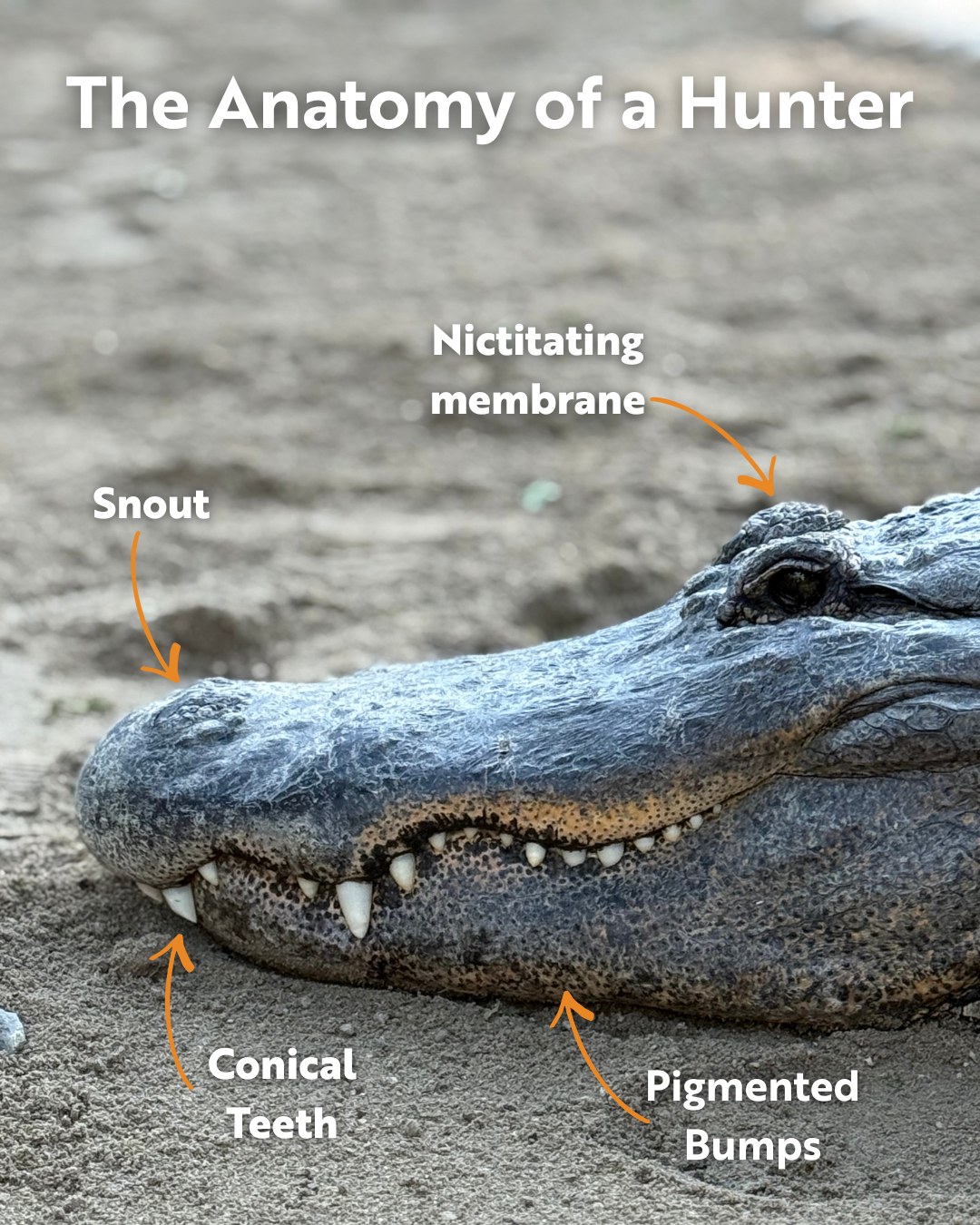
A semi-aquatic lifestyle significantly influences alligator behavior. Their bodies are adapted for efficient movement in water. One of the key features is the positioning of their eyes and snout, which are set high on the head. This anatomical arrangement permits alligators to rest comfortably at the water surface while maintaining the ability to breathe and see. This design is particularly advantageous for hunting, as it allows them to observe potential prey without revealing their presence.
Furthermore, alligators possess a nictitating membrane, often referred to as a third eyelid. This transparent fold of skin moves horizontally across the eye, serving to protect it while underwater and maintaining moisture during prolonged periods of submersion. This feature not only aids in visibility but also enhances their hunting capabilities, allowing them to keep a close watch on their environment.
Alligators have developed a powerful bite, equipped with 80 conical teeth. Unlike the flat teeth found in herbivorous species, the conical shape of alligator teeth is specialized for gripping slippery prey. Research has shown that an alligator’s bite force can exceed 2,000 pounds per square inch. This extraordinary strength enables them to capture and hold onto prey effectively, whether it be fish, birds, or mammals. The conical teeth also minimize the likelihood of prey escaping after being captured, a significant advantage during the hunt.
Additionally, alligator skin features pigmented bumps known as integumentary sense organs. These specialized structures enhance their sensory perception, allowing them to detect vibrations in the water. These sensors are sensitive to changes in water pressure and movement, enabling alligators to identify the presence of prey even in murky waters. This sensory capability is crucial in environments where visibility is limited. The ability to detect movement and vibrations gives them a competitive edge in hunting scenarios.
Alligators are also opportunistic feeders. Their diet varies based on availability and can include fish, birds, mammals, and even smaller alligators. Their physiological design supports this dietary flexibility, allowing them to thrive in diverse habitats. Studies conducted on alligator feeding habits indicate that they can consume large meals, even up to 50% of their body weight at one time. This ability to feast during periods of abundance ensures they have the energy reserves to rely on during leaner times.
Understanding the ecological role of alligators is vital for effective conservation efforts. As apex predators, they help maintain the health of their ecosystem. Their predation regulates populations of various species and contributes to the balance of aquatic environments. By controlling the numbers of certain animals, alligators ensure the health of aquatic vegetation and the overall stability of their habitat.
Healthy alligator populations also indicate a robust ecosystem. Their presence helps signal the quality of the environment. When alligators thrive, it often means that other species within the ecosystem are also doing well. Conservation initiatives that protect alligators also benefit the myriad of organisms that share their habitat.
Increased human interaction with alligator habitats presents challenges and risks. As urban development encroaches on wetlands, understanding alligator behavior becomes crucial. Educational outreach programs designed to inform the public about alligator behavior and habitat needs are essential for fostering coexistence. These programs can help reduce human-alligator conflicts and promote a respectful appreciation for these prehistoric creatures.
Conservationists advocate for responsible management practices to safeguard alligator populations. Regulations limiting hunting, habitat destruction, and pollution are critical in maintaining ecological balance. Preserving wetlands and other natural habitats supports not only alligators but also countless other species reliant on these environments.
Research continues to provide insights into the complex behaviors and ecological impacts of alligators. Ongoing studies examine their adaptation to environmental changes, such as climate change and habitat loss. Understanding how these factors influence alligator behavior and population dynamics will be vital for future conservation strategies.
Furthermore, advancements in technology, such as GPS tracking and remote cameras, offer innovative methods for studying alligator populations and movements. Data collected aids in monitoring population health and adaptively managing habitats, ensuring the long-term survival of these ancient reptiles.
Alligators communicate through a range of vocalizations, postures, and even through body language. Researchers have documented sounds ranging from growls to bellows, especially during mating season. Understanding these communication patterns enhances our knowledge of their social interactions and breeding behaviors. This information is invaluable for wildlife biologists working to protect and manage alligator populations.
Education about alligators and their ecosystems is essential for conservation efforts. Schools, zoos, and wildlife centers often develop programs that introduce students and the public to the importance of alligators. These programs aim to foster an appreciation for these unique animals and their role in maintaining balanced ecosystems. Engaging the public in conservation initiatives can lead to stronger support for preserving alligator habitats.
The lasting legacy of alligators is not just their role as apex predators but also as symbols of resilience in the face of environmental change. Studying their physiology and ecological significance sheds light on broader environmental issues such as habitat loss, species extinction, and climate adaptation. These themes underscore the importance of conservation efforts aimed at preserving alligators and their habitats.
Alligators exemplify the intricate relationship between predator and prey within ecosystems. Their patience, hunting effectiveness, and unique adaptations affirm their status as crucial ecological players. Understanding their biology and behavior can lead to more effective conservation strategies, ensuring that future generations will be able to appreciate and learn from these remarkable creatures.
In the context of conservation, the role of alligators cannot be overstated. They serve as indicators of ecological health and are central to preserving biodiversity. By fostering an understanding and appreciation of alligators, we can work towards a future where these predators continue to thrive, benefiting entire ecosystems. As stewards of the environment, it is our collective responsibility to advocate for the protection of alligators and the vital habitats they occupy. Promoting education, responsible management practices, and conservation initiatives plays a vital role in ensuring the well-being of alligators, their habitats, and the overall health of ecosystems worldwide.
*****
Source Description
Alligators are patient, very effective predators, and they’re built for it!
🐊 They live a semi-aquatic lifestyle, with their snout and eyes positioned to breathe and see while remaining nearly underwater.
🐊 The nictitating membrane, or third eyelid, moves across the eye to lubricate and protect it while underwater.
🐊 80 conical teeth are specialized for gripping slippery prey, delivering a powerful bite.
🐊 Pigmented bumps on their scales serve as sensory organs that help detect moving prey.
📸: Josh Roseman
